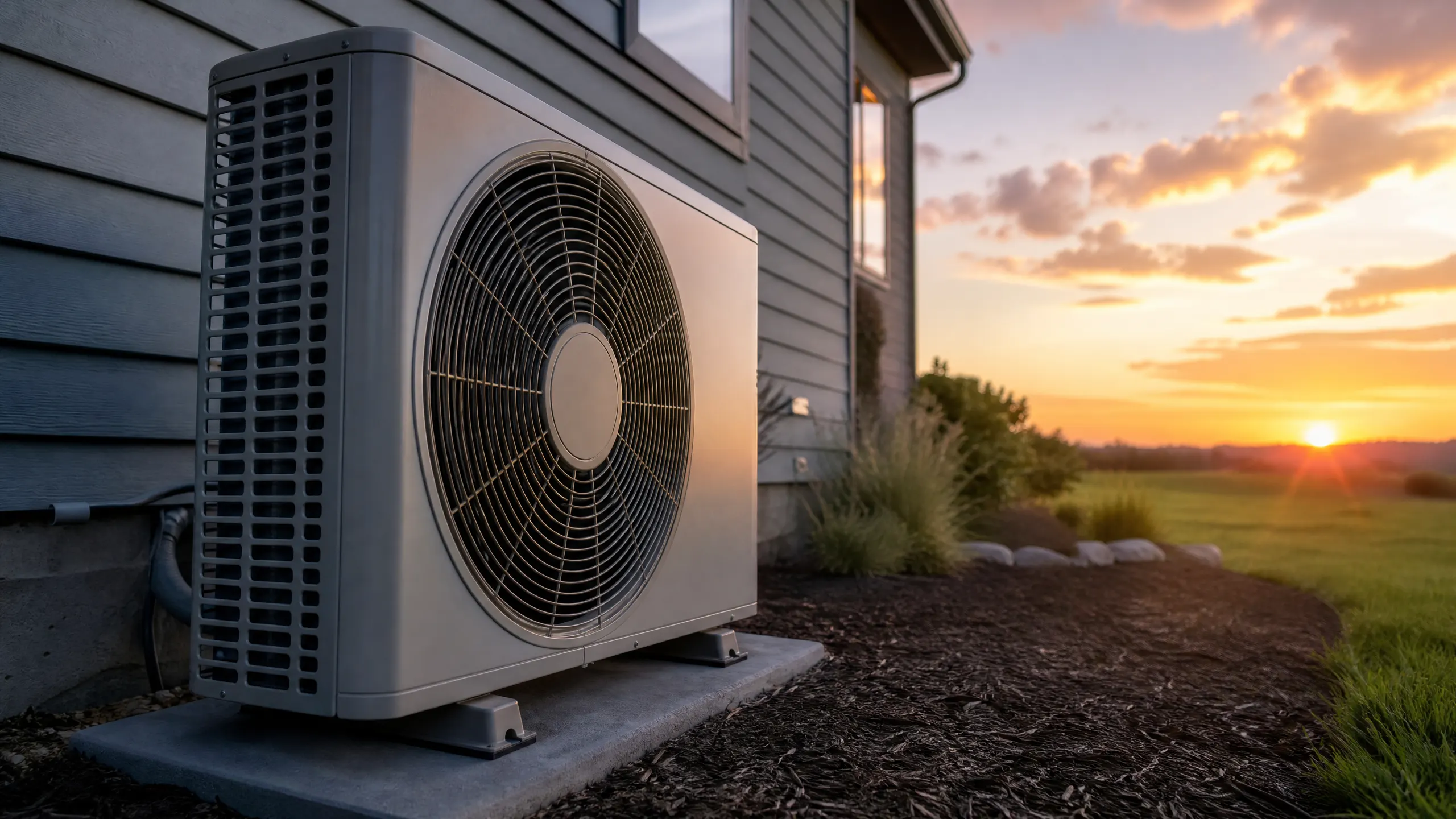
Heat Pump Installation in Houston, TX
A new system here will heat from November through February and cool from April through October every year. Tell us about the house, and a licensed contractor who covers Harris County will get in touch.
Tell us about the job
It takes about a minute.
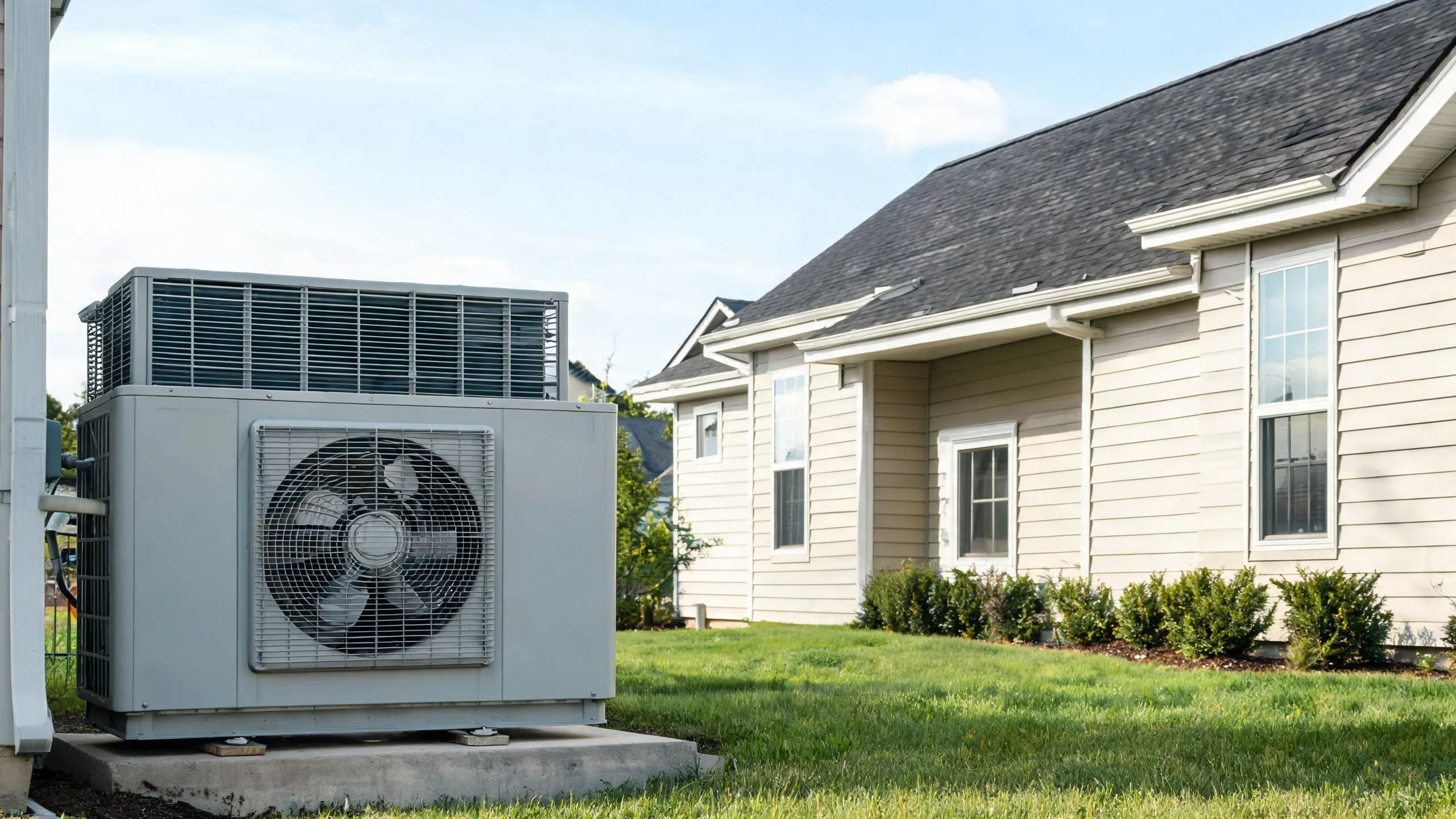
Eleven months of work a year in Harris County
A heat pump here runs almost year round. Cooling from April through October, seven months, with afternoons averaging 93°F. Heat from November through February, when nights average 45°F. Only a few weeks in spring and fall ask nothing of it.
That split system has to hold up to summer heat far more than winter cold, but it still has to switch modes and keep working through both. Any split-system heat pump installed new has to meet federal minimums of 14.3 SEER2 for cooling and 7.5 HSPF2 for heating. Harris County has also logged 178 damaging wind events over the last ten years, so the outdoor unit needs to be set and secured with that in mind.
- 4 months
- November through February, your system heats
- 7 months
- April through October, it cools
- 45°F
- the average winter night it heats against
- 93°F
- the average summer afternoon it cools against
NOAA nClimDiv, 1991–2020 normals
Texas requires HVAC contractors to hold a state license.
That license is issued by the Texas Department of Licensing and Regulation, and it covers the contractor, not this particular job.
Most cities and counties require a permit from the local building office before a heat pump goes in, with an inspection once the work is done. That permit and inspection are separate from the contractor's license. The license tells you the state tested and keeps a record of the person doing the work. The permit and inspection are what checks the installation itself.
Source: Texas Department of Licensing and Regulation
- Is a heat pump better than a furnace?
- It depends on what you're comparing it to. A heat pump moves heat instead of burning fuel to make it, and it also cools your home in summer, so it replaces both your furnace and your air conditioner with one system. Winters here are mild, with nights averaging 45°F from December through February, which is the kind of climate a heat pump handles well without much backup heat. A furnace only heats, so you'd still need a separate air conditioner alongside it.
- What's the difference between a heat pump and an air conditioner?
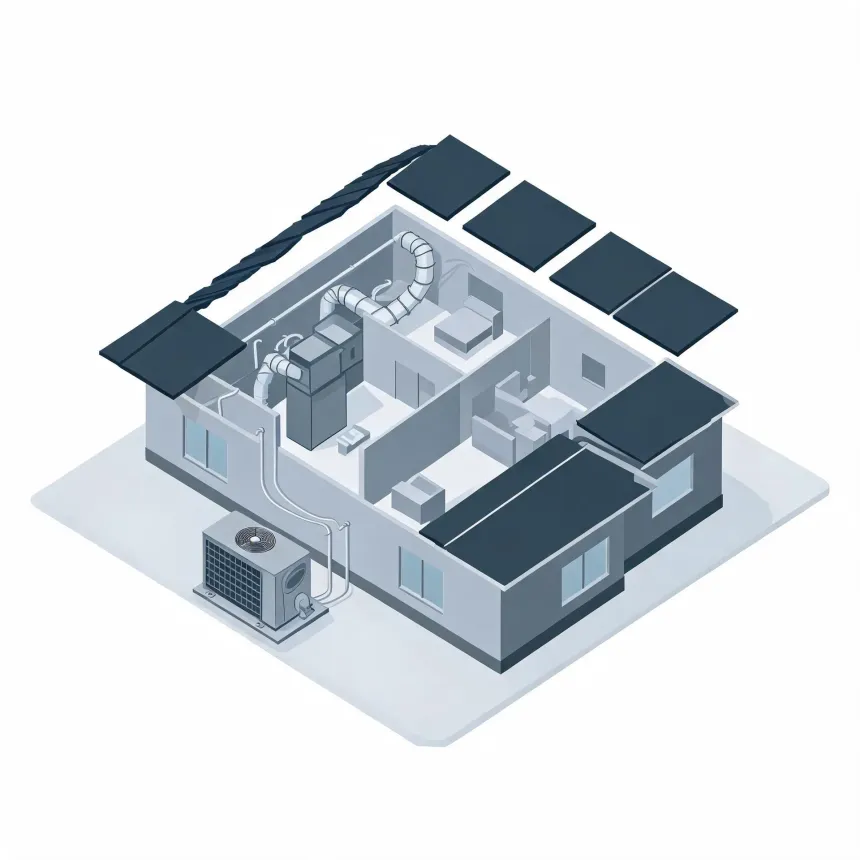
- An air conditioner only removes heat from your home and sends it outside. A heat pump does that same job in summer, but it can also run in reverse and pull heat from the outside air into your home in winter. The outdoor and indoor units look almost identical because the core parts, the compressor and the coils, work the same way in both. The difference is a valve inside the heat pump that lets it switch directions.
- Does a heat pump work in cold weather?
- Yes, and in this area it works well most of the year. Heat pumps lose some efficiency as the outdoor temperature drops, but Houston winters stay mild, with nights averaging 45°F from December through February and heat only needed November through February. That's a range modern heat pumps are built to handle without leaning on backup heat strips. In climates with hard freezes for weeks at a time, a heat pump has to work harder, but that isn't the case here.