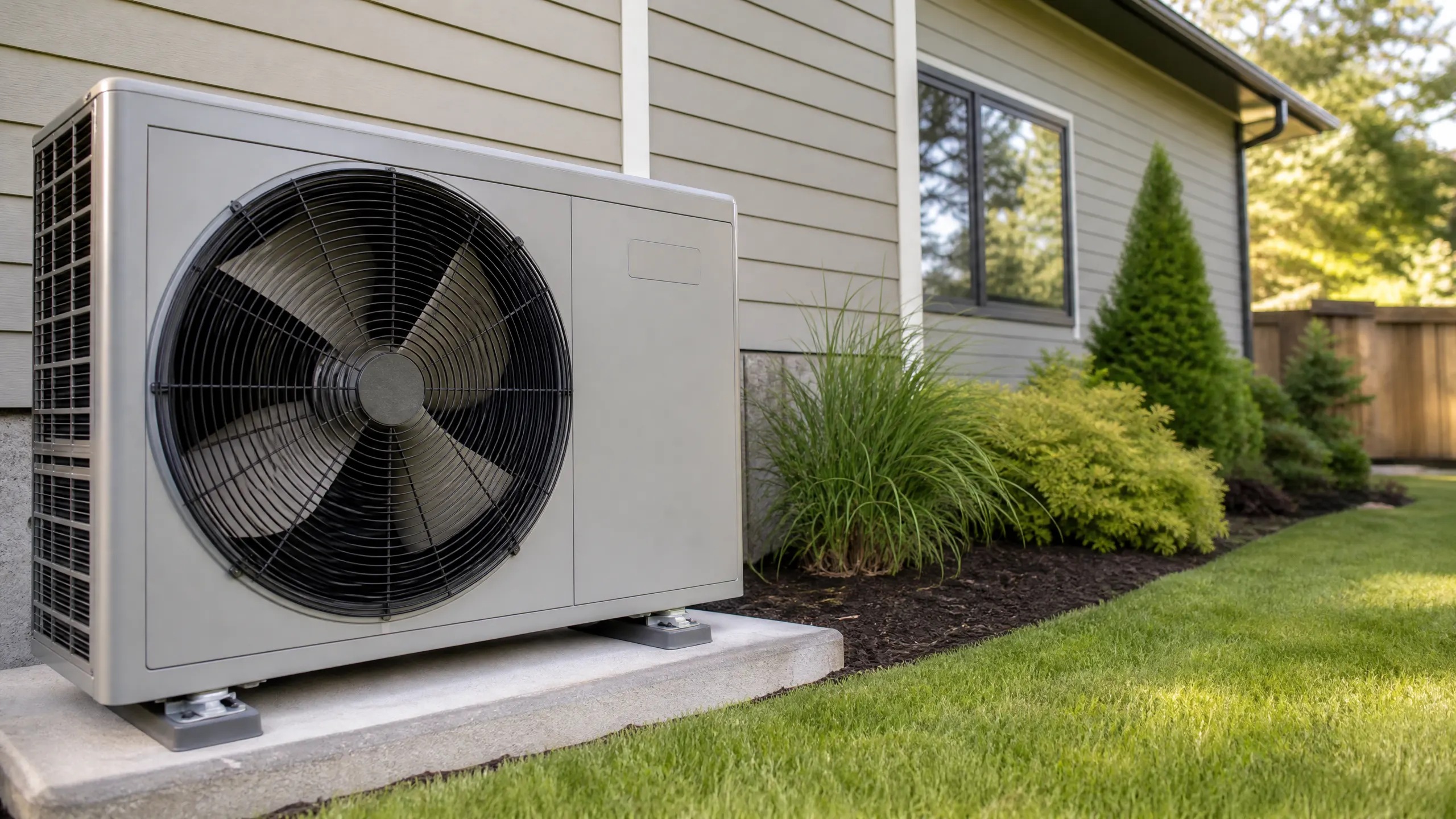
Heat Pump Installation in Sugar Land, TX
A new system here will heat from November through February and cool from April through October every year. Tell us about the house, and a licensed contractor who covers Fort Bend County will get in touch.
Tell us about the job
It takes about a minute.
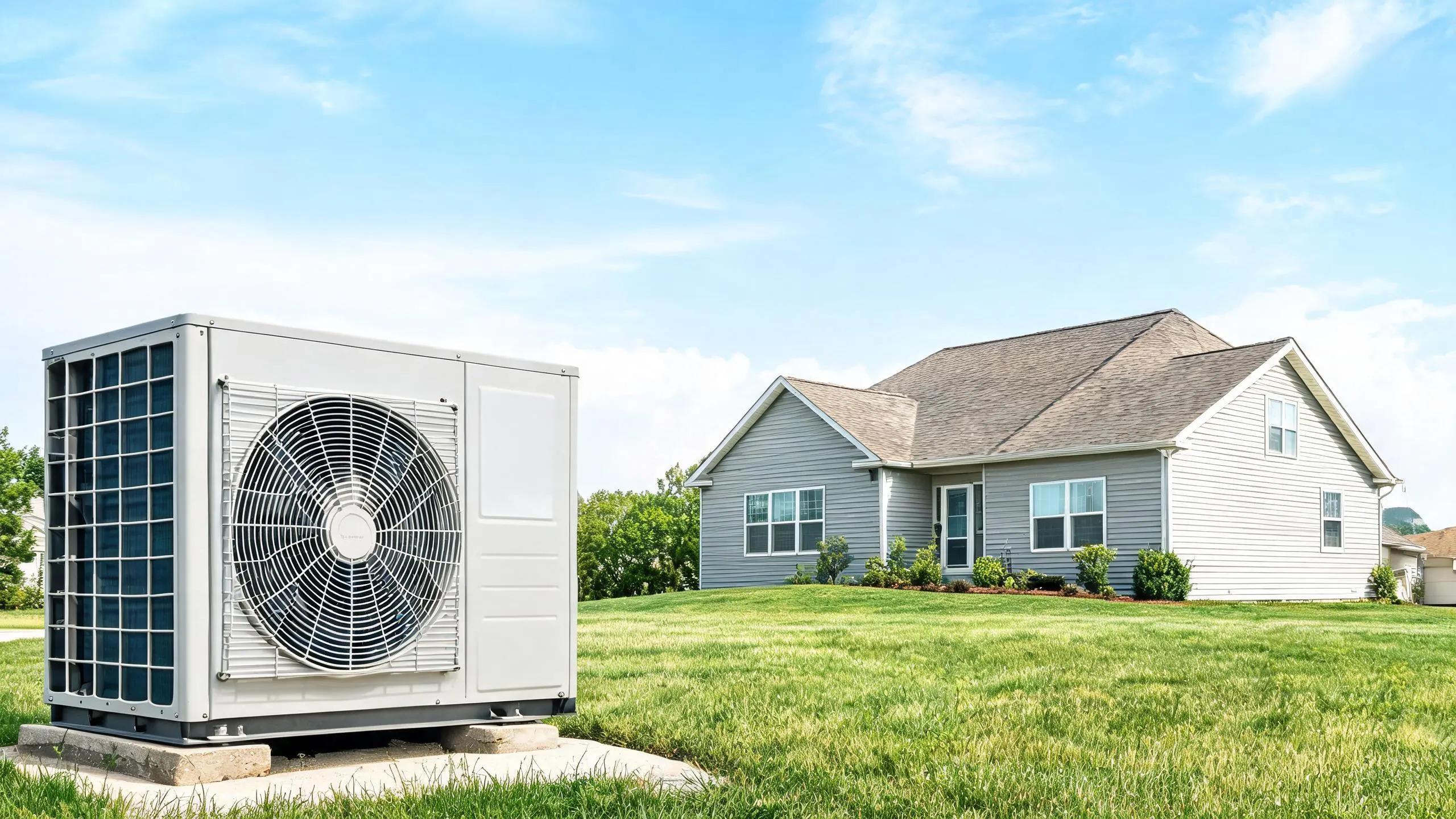
A heat pump here runs almost year round
Sugar Land only gets four months of real heat, November through February, with nights averaging 46°F. The other seven months, April through October, it's cooling that matters, with afternoons averaging 93°F. That's 11 months a year your heat pump is doing one job or the other, which is why sizing and installation quality matter more here than in places where the equipment gets a real rest.
A new split-system heat pump has to meet 14.3 SEER2 for cooling and 7.5 HSPF2 for heating, the federal minimum since 2023. In this climate the cooling side of that rating is what gets tested most. Fort Bend County also sees its share of high wind, so how the outdoor unit is mounted and secured is worth getting right the first time.
- 4 months
- November through February, your system heats
- 7 months
- April through October, it cools
- 46°F
- the average winter night it heats against
- 93°F
- the average summer afternoon it cools against
NOAA nClimDiv, 1991–2020 normals
Texas requires HVAC contractors to hold a state license.
That license covers the contractor, not the job itself, so the same license that lets a company install a heat pump also covers the other HVAC work they take on. It comes from the Texas Department of Licensing and Regulation, and it applies to the business as a whole rather than to any one installation.
For this job, the license tells you the contractor is the one the state has on record. Beyond that, most cities and counties require a permit for a heat pump installation, with an inspection once the work is done. That inspection is what checks the installation itself, separate from what the license covers.
Source: Texas Department of Licensing and Regulation
- Is a heat pump better than a furnace?
- A heat pump does something a furnace cannot. It cools your home in summer and heats it in winter, all from one system. A gas furnace only heats, so you would still need a separate air conditioner to get through the summer here. Sugar Land needs cooling seven months of the year and heat for four, so a heat pump stays useful across most of the year. Whether it makes sense for your house also depends on your current setup, so a contractor can look at what you have now and tell you what fits.
- What's the difference between a heat pump and an air conditioner?
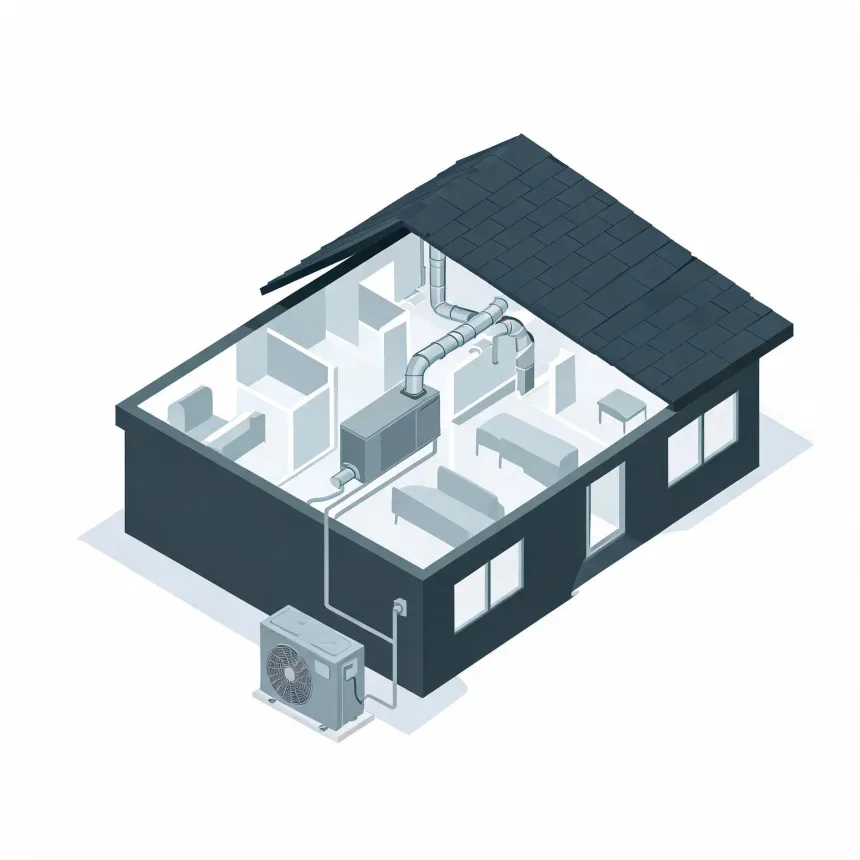
- An air conditioner only moves heat out of your home. A heat pump does the same thing in summer, but it can also run in reverse and move heat into your home in winter. Inside, the two look almost identical. Both use a compressor and a refrigerant coil, and both connect to the same kind of ductwork. The difference is that a heat pump has a reversing valve that lets it switch directions, so it takes over the job your furnace would otherwise do.
- Does a heat pump work in cold weather?
- Yes. A heat pump pulls heat from outside air even when that air feels cold, and it keeps working as the temperature drops. Winter nights in Sugar Land average 46°F, well within the range a heat pump handles without trouble. Heat pumps do lose some heating capacity as the outdoor temperature falls further, but that becomes a real concern in climates with hard freezes, not one with mild winters like this one.