
How often to clean a dryer vent in San Antonio, TX

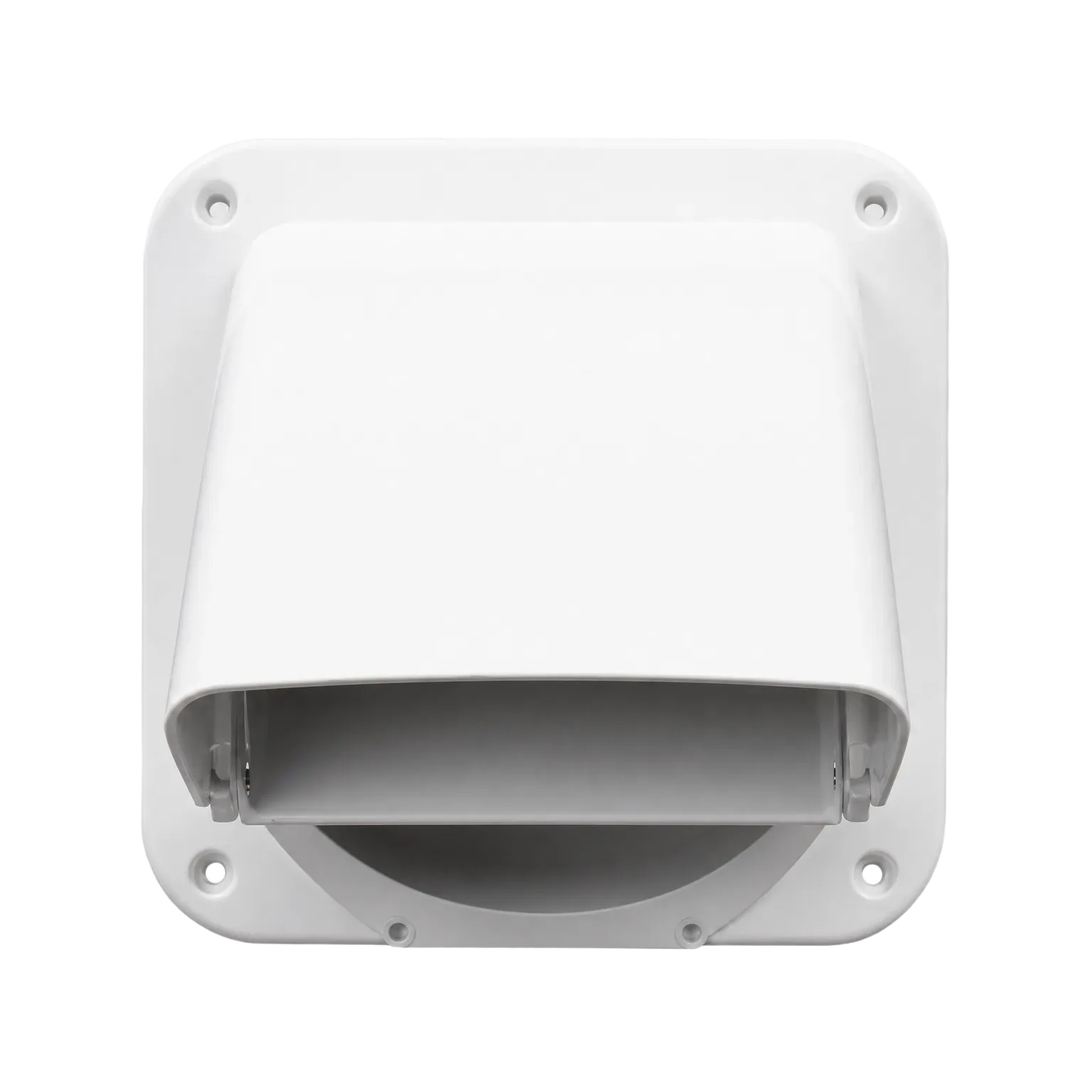
A white plastic wall vent with a square mounting flange, hooded cover, and round duct collar visible beneath, shown against a plain light gray background.
Start one form

How often should I clean my dryer vent in San Antonio?

Your dryer runs most days, and it's easy to forget the vent behind the machine until clothes start taking two cycles to dry or the laundry room feels warmer than it should. With Bexar County summers staying muggy for months, lint sitting in that vent holds onto moisture longer than you'd think, and that changes how often it needs attention.

Clean your dryer vent once a year

Once a year keeps a standard dryer vent clear for most households in and around San Antonio. Lint builds up inside the duct with every load, and in the humidity here it clings to the vent walls instead of drying out and loosening on its own. A once-a-year cleaning clears that buildup before it narrows the duct enough to slow drying time or push hot, damp air back into the house. If you run your dryer most days of the week, or your vent run is long with a few bends in it, check it at the six-month mark too, since those setups fill with lint faster than a short, straight one.

A white square dryer vent hood with a hinged flap mounted on light gray horizontal siding above a concrete foundation wall.

Vent clear and venting

Air pushes straight out through the flap with every load. The hood opens wide, lint doesn't ring the opening, and a cycle dries your clothes in the time it should. This is what a vent cleaned on schedule looks like from the outside.
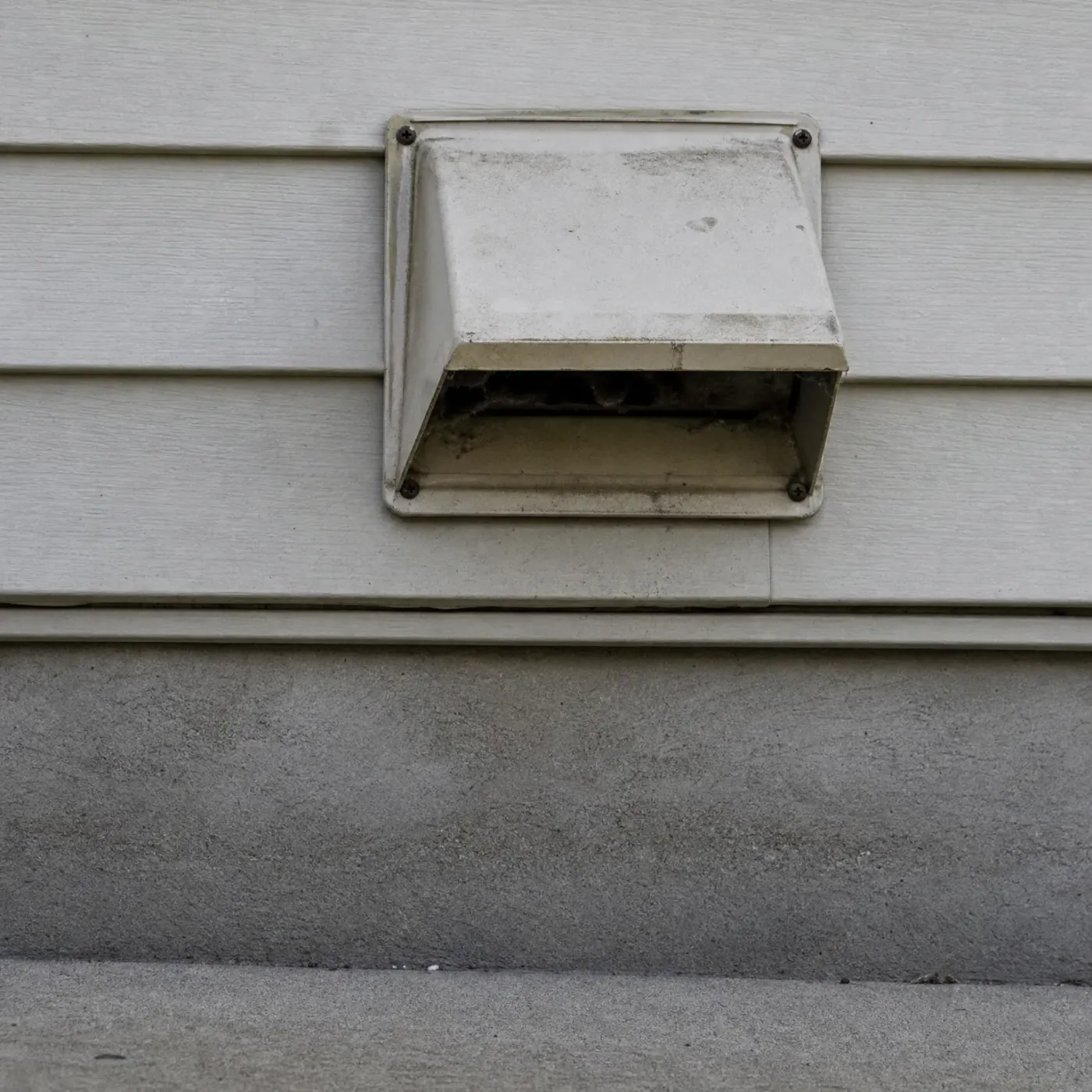

A white plastic hooded dryer vent screwed into light gray horizontal lap siding above a concrete foundation wall, with lint and dirt visible inside the vent opening.

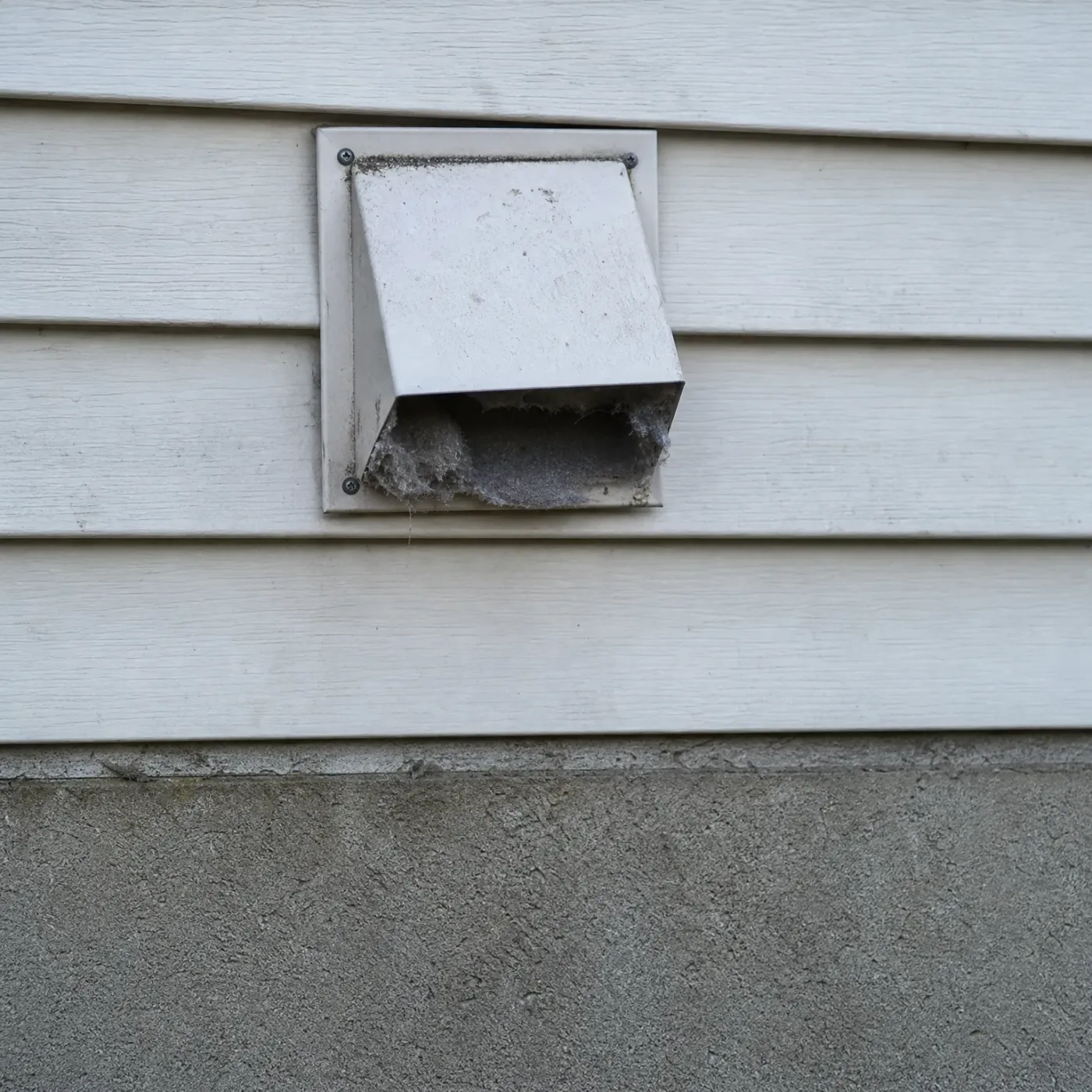
Vent clogged and backing up

Lint has built up around the opening and the flap barely lifts when the dryer runs. Air that should be leaving the house is pushing back into the duct instead. Expect longer dry times and a warm, damp laundry room until the duct gets cleared.

What does your household mean for your dryer vent?

  • 2.7 people per household on average

    Bexar County households run 2.70 people on average, and that's more loads through the dryer every week. More loads mean lint builds up in the vent faster than it would in a house doing wash once a week.

  • Half the homes here were built by 1990

    Half the homes in Bexar County were built in 1990 or earlier. A vent run that old has had decades to collect lint in the duct joints and wherever the line bends on its way outside.

  • Power here costs 12.38 cents per kilowatt-hour

    Power here runs 12.38 cents per kilowatt-hour, cheap next to most of the country. A clogged vent still makes the dryer run two or three cycles to get clothes dry, so you're paying that rate more times than you should.

ACS 2020-2024 · EIA-861 2025

A metal hooded dryer vent with a louvered opening mounted on gray horizontal lap siding, next to a plain off-white wall.

Why lint builds up so fast

Lint isn't just the fuzz caught in the trap. Smaller fibers pass straight through the screen and ride the airflow down the vent line, where they catch on every bend and seam. A long run or one with several turns gives lint more places to snag. Over time that buildup narrows the path air has to take, and the dryer has to push harder to move the same load of warm, wet air out of the house.

A stainless steel hooded dryer vent screwed to light gray horizontal lap siding, with a blank white wall occupying the left side of the frame.

What a blocked vent does to the motor

A dryer is built to push air against some resistance, but not against a vent packed with lint. When the path narrows, the motor and heating element both run longer to finish a cycle, since the moist air they're supposed to be pushing out has nowhere to go. That extra runtime is wear the dryer wasn't designed to carry load after load, week after week, until something in the airflow path finally gives out.

2.7 people per household on average

At close to three people in the average Bexar County home, you're likely running a load most days, not a couple times a week. That pace fills the vent with lint faster, so the gap between cleanings needs to be shorter than it would be for a smaller household.

ACS 2020-2024

What a clogged vent costs you

A blocked vent makes the dryer work harder to push air through, and that shows up on the power bill every month it runs that way. It also means more heat and moisture stay trapped in the duct after each load instead of venting outside. That trapped heat is what starts fires in the lint and dust packed along the line. It's also why your laundry room runs warmer than the rest of the house, and why towels and jeans can come out of the dryer still damp after a full cycle.

Finding who to call shouldn't be part of this

Once you know the vent needs attention, the next problem is usually finding someone to do it. That means searching for dryer vent cleaners near you, calling a few, explaining the same thing about your dryer and your laundry room setup each time, then waiting on quotes to compare. A request through this page skips that. It goes to one licensed contractor working in San Antonio, someone who clears vents in homes around Bexar County all year and knows which duct runs clog fastest and why. No juggling multiple companies, just one call that gets the job done.

A smiling woman with long brown hair in a cream sweater sits at a stone counter with a glass of red wine, with a dimly lit living room, beamed ceiling and glass doors behind her.
A woman with shoulder-length dark wavy hair in a beige sweater laughs while looking off to the side, seated at a white marble counter with a glass of red wine, in a dimly lit home interior with a kitchen and sofa in the background.
A smiling woman with long dark hair in a black sweater sits at a white marble counter with a glass of red wine, in a dimly lit kitchen and living area with pendant lights, a potted plant, and flowers.
A smiling woman with long brown hair in a light knit sweater sits at a stone-topped counter with a glass of white wine, with a dimly lit living room, sofa, fireplace and round mirror behind her.

No calling every shop in Bexar County

Finding someone to clean a dryer vent usually means searching for a contractor, calling a few, explaining the lint buildup and the long runs or extra bends behind your machine, then waiting on quotes to compare. Submit the request here and one licensed San Antonio contractor gets it, not a handful of companies competing for the job. That contractor works on vents in Bexar County homes all year, in houses running loads most days of the week, and knows where lint collects first, at the bends, at the hood, at the transition behind the dryer. They've seen what a long humid summer does to a vent that hasn't been cleared, and what it takes to get air moving through it the way it should. You still have the dryer running most days and the vent still needs clearing on its own schedule. What changes is not having to track down who can do it.

Cleaning it yourself

You can pull the trap, vacuum what you can reach from both ends, and clear the hood flap outside. That handles the first few feet and keeps the flap moving. It won't reach lint sitting at a bend in the middle of a long run, and you won't know the line is actually clear end to end unless you can see airflow push all the way through. For a short, straight run it may be enough. For anything with several turns or a run through the attic, it's a guess.

Having it cleaned professionally

A contractor runs a brush or rotary tool the full length of the line, not just what's reachable from each end, and checks that the hood flap opens all the way once the line is clear. That matters more the longer the run or the more bends it has, since that's exactly where lint catches and sits out of reach. It also means someone who works on these lines regularly is looking at the whole run, not just the parts you can get your hands on.

A white hooded dryer vent mounted on light-colored lap siding above a concrete foundation, with lint clogging its opening.
Before you get your dryer vent cleaning
A stainless steel hooded dryer vent with four corner screws mounted on white horizontal lap siding above a gray concrete foundation.
After you get your dryer vent cleaning

A tech works the duct from both ends. A rod or brush goes in at the trap opening first, pushed through to break up what's stuck at the seams, then the same thing happens from the hood side outside. That hood has a flap, and after the brushing it should swing open easily and fall most of the way shut once the dryer's off. Rigid metal duct takes that brushing fine. Flexible foil duct is softer, and if it's crushed at a bend, lint packs in behind the crushed spot and stays there no matter how hard you run the dryer. Every 90 degree turn in the line is where lint catches first, so a run with a few bends takes more passes than a straight shot to the wall. Once the brushing loosens everything, a shop vacuum pulls the lint out through the trap or the hood. The last step is checking the exhaust temperature and airflow at the hood, which is how a tech knows the line is actually clear and not just partly open.

How a vent cleaning actually works

  • A dryer vent cleaning starts at the trap opening, where a rod or brush is fed into the duct in both directions to break up lint stuck at the seams.
  • The hood on the outside wall has a flap that should swing open freely under airflow, and a tech checks that it closes most of the way when the dryer is off.
  • Rigid metal duct holds up to the brushing better than flexible foil duct, which can crush at a bend and trap lint behind the crushed spot.
  • Every 90 degree turn in the run is a place lint tends to collect first, so a vent with several bends needs more passes to clear than a straight run.
  • A shop vacuum pulls loose lint out through the trap opening or the hood once the brushing knocks it free from the duct walls.
  • Checking the dryer's exhaust temperature and airflow at the hood afterward tells a tech whether the line is actually clear or just partly open.
A smiling middle-aged man in a dark green sweater sits at a candlelit table with a glass of red wine and a bowl of salad in the foreground.
A woman in a cream knit sweater reclines on a beige couch with eyes closed and a slight smile, a gray hardcover book resting open on a textured blanket over her lap, with a lit table lamp and a leafy plant in the dim background.

A dryer vent in Bexar County needs cleaning about once a year, sooner if your household runs more than one load a day or your duct run is long with a few bends in it. That's the whole answer: watch how fast lint builds given your household and your layout, and clean on that schedule rather than waiting for the dryer to tell you with longer cycles or a hot laundry room. Once you request service, this isn't a handful of companies chasing your business. It's one licensed contractor local to San Antonio, someone who clears vents in homes like yours all year and knows which hoods stick, which long runs clog first, and what a bend-heavy duct needs that a short straight one doesn't. You tell them once what your setup looks like and they already know what they're walking into. No comparing bids, no repeating the same explanation to three different voices on the phone. Just a clear line to someone who does this work every week in this county, set against the one real cost of skipping it: a dryer working harder than it should, load after load.

A galvanized metal hooded dryer vent screwed to gray lap siding on an exterior wall.

Skip the calls to every shop

Duct and vent cleaningBexar County, TX
Step 1 of 3

What kind of equipment?