Once a year
Clean the vent on that schedule and the dryer keeps venting hot air outside the way it should, drying towels and sheets in one cycle through the muggy months.
A local pro for your dryer vent cleaning
Once a year is the rule most places, but a long humid summer running the dryer on towels and sheets can clog a vent faster than that. This page covers how to tell yours is due and what happens if it gets ignored. Skip the search for someone who can come look at yours.
Get a local proClean your dryer vent once a year. That is the rule for most houses, but Texas summers push a lot of homes past that schedule without anyone noticing. Muggy air holds more moisture, so wet laundry takes longer to dry, and a dryer that runs long and often pushes more lint through the duct between cleanings. Lint builds up inside the vent pipe whether you see it or not, and it narrows the path air needs to escape through. When that happens, your dryer takes longer to dry a load, the outside vent hood flap barely moves when you run a cycle, and the unit itself runs hotter than it should. Left alone, that heat and trapped lint are what cause dryer fires. If your dryer has felt slower to dry over the past few months, or it's been more than a year since the vent was cleared, that is your sign to get it checked now rather than wait for the next scheduled cleaning.


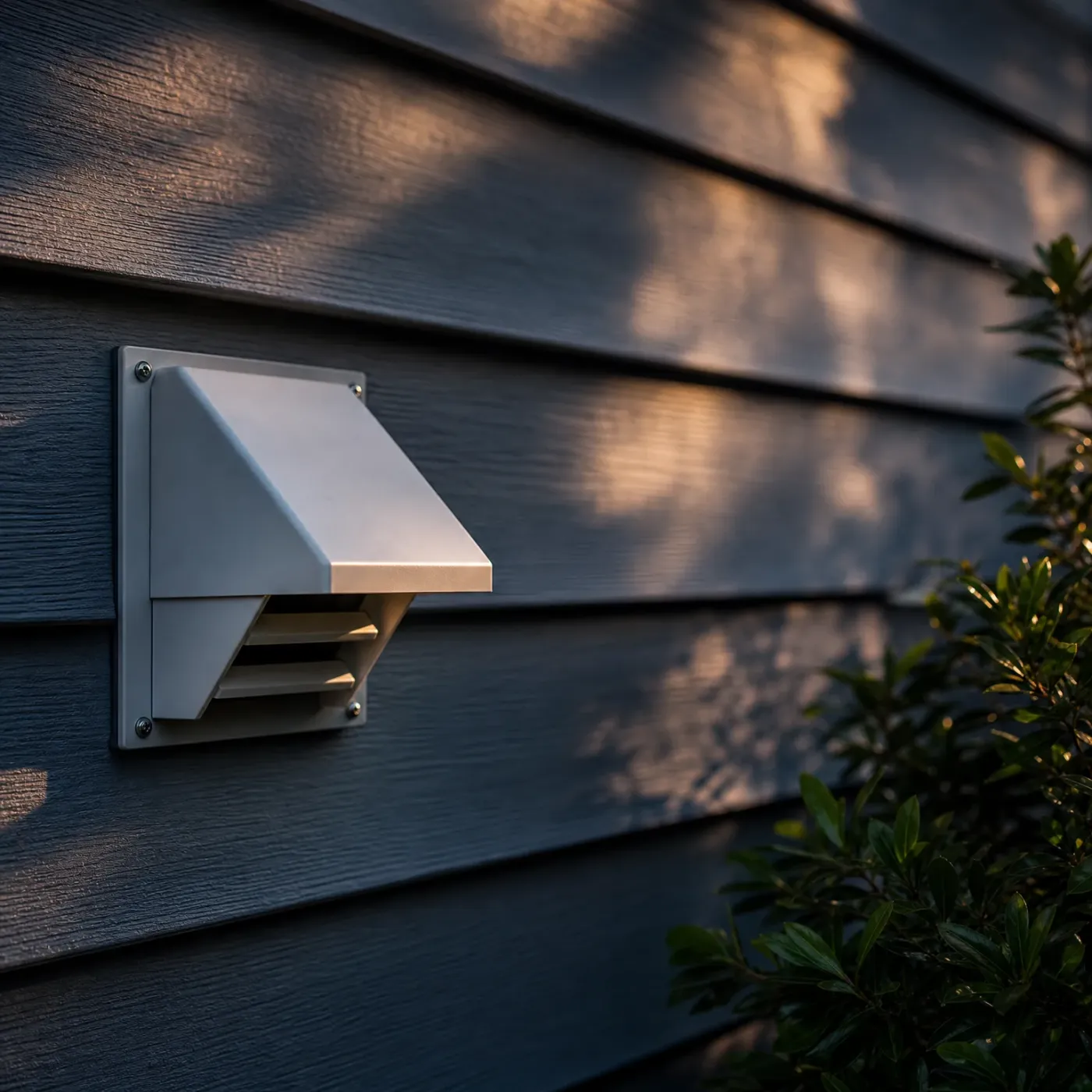
The dryer doesn't just blow lint into a trap. Hot, wet air carries the rest of it down a duct that runs through the wall or attic to a hood outside. Along the way, lint snags on screws, on elbows, on anything that isn't a straight smooth pass. The hood itself has a flapper that's supposed to swing open while the dryer runs and close when it stops. Lint collects there too, and over time the flapper won't seal shut or won't open all the way. None of this happens in one load. It happens a little at a time, so the duct narrows without any single blockage you could point to and clear. A foil or plastic duct gives lint more to grab onto at every ridge, so it builds up faster than it would in a rigid metal one. A longer run with more turns means more places for it to catch. The dryer itself won't tell you any of this is happening. It still heats and tumbles the same. The only clue is a load that takes longer than it used to, and a laundry room that runs warmer while it does.


Answer a few questions instead of calling shop after shop.
There's no charge for the request.
A dryer that's cleared out finishes a load of towels in one cycle instead of two or three. If yours has started needing a second round to get clothes dry, lint is choking the airflow somewhere between the drum and the outside wall.
Running the dryer twice as long to get the same dry clothes uses twice the electricity for that load, and in Texas that's power priced the same as anywhere else, not cheaper for the extra hours.




Clean the vent on that schedule and the dryer keeps venting hot air outside the way it should, drying towels and sheets in one cycle through the muggy months.
Lint keeps packing into the duct, the flapper on the outside hood can stick shut, and a dryer working that hard is a fire risk sitting in your laundry room.
At 15.40 cents a kilowatt-hour, a dryer that runs long because the vent is clogged shows up on the bill fast. Most Texas homes heat with electricity too, so that cost sits on top of everything else running through the meter. Clearing the vent keeps the dryer from working harder than it needs to.
EIA-861 2025 statewide residential average

You can pull the dryer out, disconnect the duct, and vacuum out what you can reach. A leaf blower run backward through the outside hood will push a lot of lint back toward the house. Without the right brushes and rods, you are only getting the first few feet of duct, not the whole run to the wall. Then there is finding someone to finish the job right: calling a few places, explaining the dryer runs long and the hood flapper barely moves, and sorting through quotes before anyone shows up.

Answer a few questions about your dryer and your home, and a contractor who handles vent cleaning in your area gets in touch. No calling around, no repeating the same explanation to three different companies, no guessing which quote covers the whole duct and which one stops at the wall. You find out what they can do for your vent and when they can get to it, without the legwork of tracking down who's available.

A dryer vent cleaned once a year does its job through the whole muggy summer and the rest of the year besides. Left longer than that, lint keeps packing in and the dryer has to work harder to push air through, which shows up as longer cycles and a higher bill. You already know to deal with small problems before they turn into bigger ones, and a vent check is about as small as home maintenance gets.
Finding someone who actually clears a duct out properly, rods, brushes, and all, usually means a string of calls, explaining the same thing to each one, then sitting with a pile of quotes trying to work out who's worth hiring. Answer a few questions here and that part is done. You get matched with a contractor who handles this in your area, and they reach out to you directly to sort out the rest.


Get your dryer vent to the right pro