
One cycle
A clean vent line gets a full load dry on the first run, every time, whether it's January or August outside.
A dryer that takes two or three cycles to finish is usually fighting a clogged vent, not a bad machine. Every load pushes hot, wet air out through that vent line, and lint builds up along the way until the air can't get out fast enough. The dryer senses it's still damp and keeps running, which is why the clothes come out hot but not dry. In Texas, summer humidity makes this worse: the air going into the dryer is already heavy with moisture, so a vent that's half blocked has even less room to push it back out. A clear vent moves air straight through in one pass. A blocked one traps heat and moisture inside the drum, and the dryer has to force a second or third cycle to do what one should. Left alone, it also means the dryer runs hotter and longer than it was built to, which wears on it over time.


A dryer does not dry with heat alone. It pulls a set volume of air across the wet clothes and sends that moist air out through the vent line to the outside. Anything that slows that air down slows the whole cycle. Lint collects fastest where the line bends, since the air loses speed there and drops what it is carrying. Once enough builds up, the heating element starts cycling on and off trying to hold its set temperature, and the load that should take forty minutes stretches well past it. A full lint screen causes the same problem, so it needs clearing before every load, not just when it looks packed. The dryer also has a sensor in the drum reading the air coming back in, and blocked exhaust reads to that sensor as clothes still wet, even once they are not. A longer vent run, or one with several bends, holds more lint over time and needs attention more often than a short straight one.




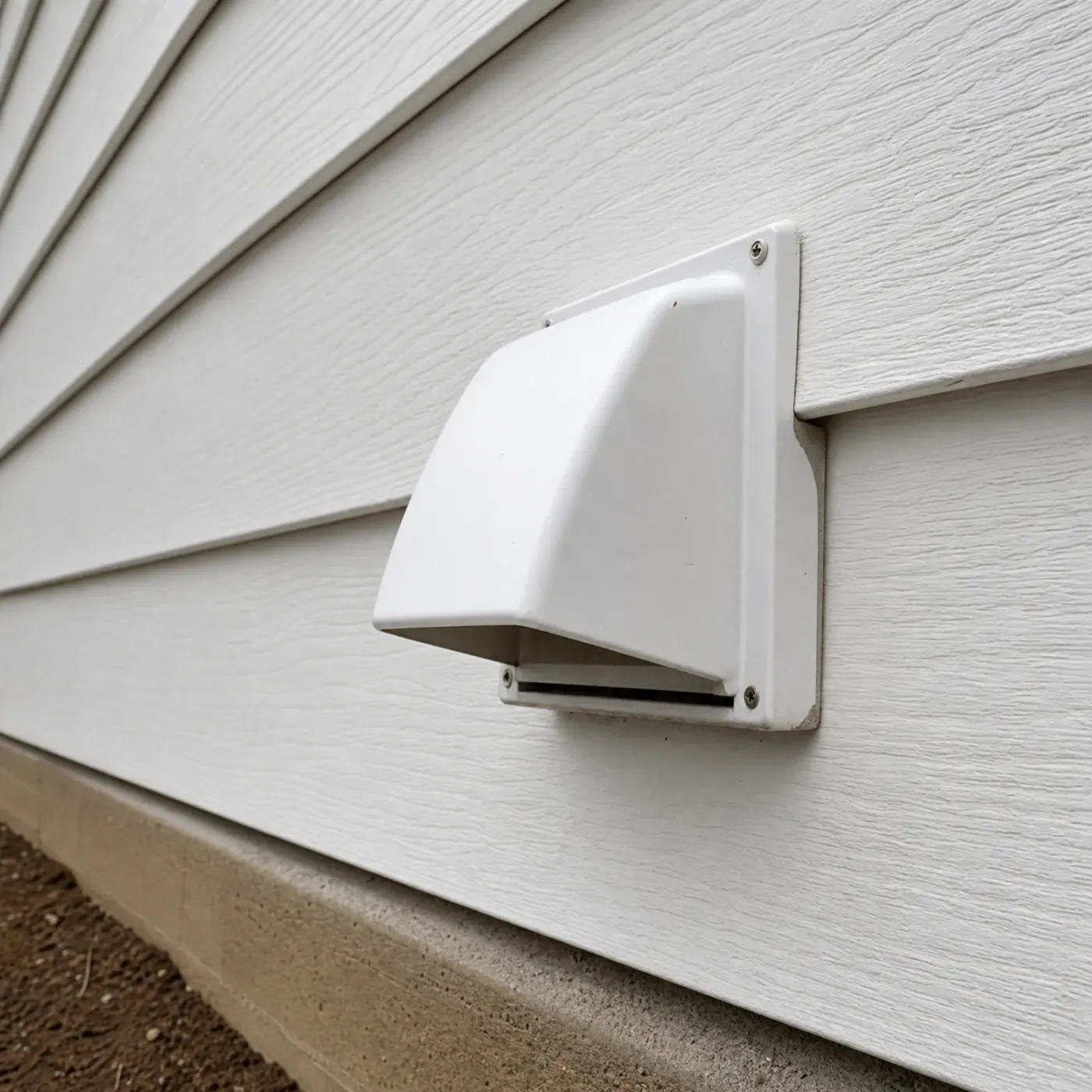
Send the form and the dryer vent cleaning stops sitting on your list.
Your dryer vent cleaning request goes to a local pro who does this work.
No fee to send it, and nothing to sign.
You load the dryer, run a full cycle, and pull out clothes that are still damp. You run it again, maybe a third time, before anything feels dry. The outside of the dryer feels hotter than usual, and the laundry room picks up a warm, faintly burnt smell partway through. Clothes come out hot but not dry, and towels in particular seem to take forever. With summers here as muggy as they are, a vent that's already struggling has even more moisture to push out. Left alone, a blocked vent makes the dryer run hotter and longer than it's built for, and that heat has nowhere to go but back into the drum and the room around it.

It's almost nine on a Tuesday and you're still in the laundry room. The dryer's been going since before dinner, this the second run on the same load. You open it expecting warmth and the smell of clean cotton, and instead there's a heap of towels on top of the dryer, pulled out damp twenty minutes ago to make room for the next batch, still damp now. The room feels warmer than it should, close and humid the way it gets outside here in July. You press your palm to the towels again, hoping. They're not dry. You start the dryer a third time and go back to whatever you were doing before this took over your evening.
At 15.40 cents per kilowatt-hour, every extra cycle your dryer runs costs you something real. A clogged vent can push one load into two or three runs, and with most homes here heating on electricity, that extra time shows up on your bill every month it goes unfixed.
EIA-861 2025 statewide residential average
A clear vent lets a load dry in one cycle no matter what the weather's doing outside. That's the baseline a working dryer is built to hit.
Muggy air outside doesn't reach into a sealed vent line. If drying time has crept up this summer, the lint built up inside that line is why.


A clean vent line gets a full load dry on the first run, every time, whether it's January or August outside.
A blocked vent means you're running the same load again and again, and the dryer still can't catch up to dry.

A clogged vent is the reason behind most of what's been described here: the extra cycles, the hot dryer body, the damp towels on top. Clear that line and the dryer goes back to doing what it was built to do, drying a load once, in one run, regardless of what the air outside is doing. Texas summers won't change that once the path is clear.
Finding someone qualified to clear a vent line properly isn't something you have to sort out on your own. Once you send the form, that part is off your plate. A contractor who handles this work in your area gets your details and reaches out to you directly, matched to what your home actually needs rather than a generic cleaning job. You go back to running your dryer once per load and not thinking about it again.

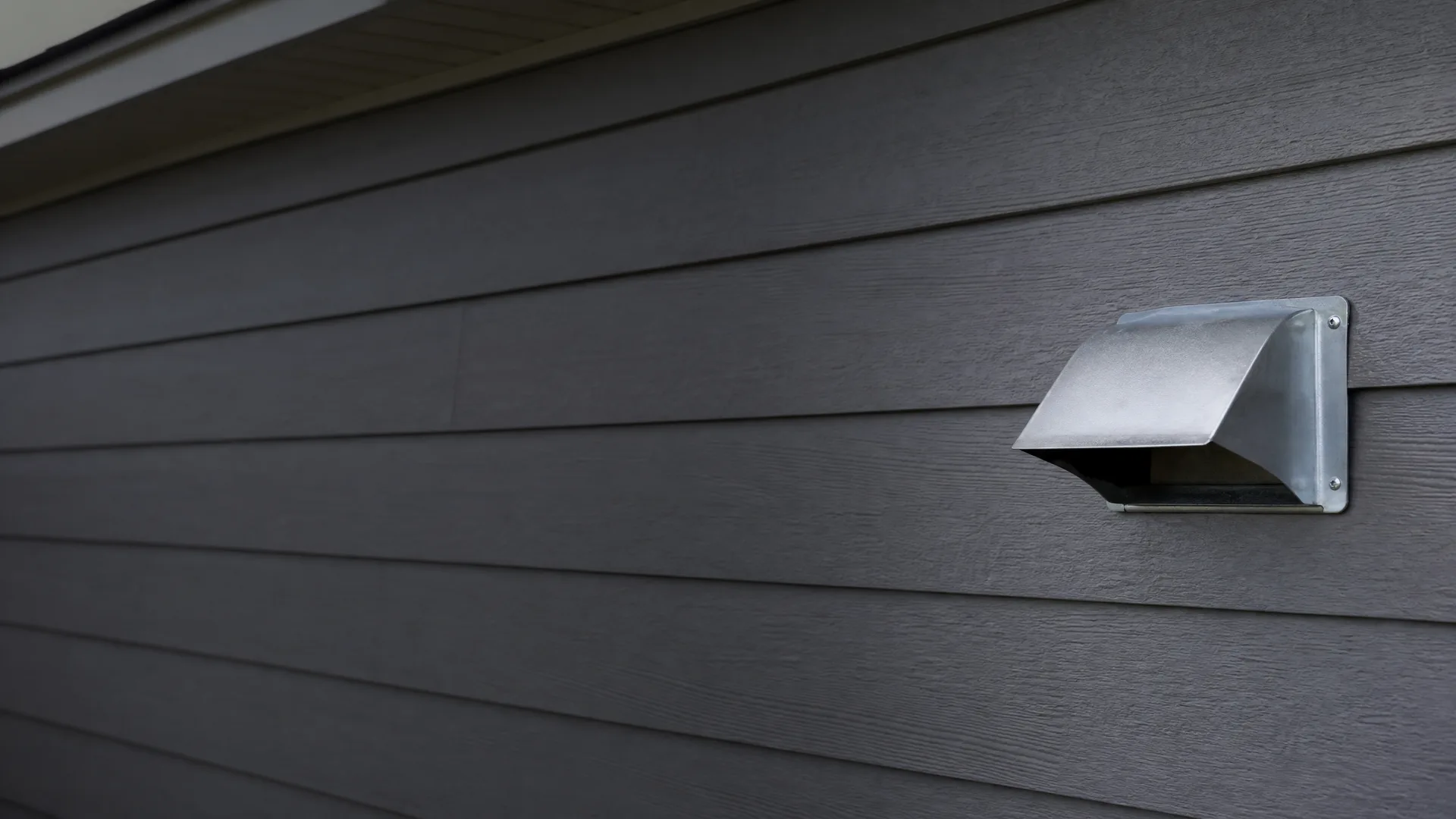
One request and the dryer vent cleaning stops waiting on you.