The hood lifts and clears itself
Air pushes the flap open on every cycle and closes it again when the dryer stops. Nothing lingers inside the cap, so the screen behind it stays clear and a full load of clothes finishes in one pass.

A dryer that takes two or three cycles to finish a load is almost always short on airflow, not heat. Lint builds up inside the vent run over time, and in a lot of Dallas houses that run is long or has a few bends in it before it reaches outside, which gives lint more places to catch. As the vent narrows, the hot, damp air the dryer needs to push out has nowhere to go, so it lingers in the drum and clothes come out warm but still wet. Summers here add to the problem, since the air the dryer is fighting to expel is already muggy for months at a time. A dryer working harder than it should also runs hotter than it should, which wears on the heating element and the motor. If your dryer has been running long past a normal cycle, the vent is the first place to check before anything else gets replaced.
2.63 people per household on average
With close to 3 people in the average household here, that's more loads through the same vent every week, so lint has more chances to build up where airflow already struggles.
Half the homes here were built by 1983
Half the homes in Dallas County went up by 1983 or earlier, and an older house is more likely to have a longer vent run or extra bends feeding it.
Power here costs 16.63 cents per kilowatt-hour
At 16.63 cents per kilowatt-hour, a dryer running two or three cycles to finish one load costs more here than it would somewhere with cheaper power.
ACS 2020-2024 · EIA-861 2025
A dryer dries clothes by moving a lot of air, not just by making heat. The lint trap catches most of what comes off a load, but some fiber always gets past it and travels down the duct with the exhaust air. Where that duct is straight, the air carries the lint along and out. Where it bends, the air slows down, and that's where lint settles first. A long run with several elbows between the dryer and the outside wall gives lint more places to collect than a short, straight shot would. Once enough has built up, the dryer can't push air through fast enough, and the hot, damp air from the drum has nowhere to go but back inside the machine. That's why a load comes out damp even after running the full cycle, sometimes twice. It's also why the dryer may blow noticeably cooler air near the end of a cycle. The high-limit thermostat is there to protect the unit, and it cuts the heating element when it senses airflow isn't keeping up, which reads to most people as the dryer losing heat when it's really losing air. Outside, the hood flap is a quick way to check for yourself: it should open when the dryer's running and close when it's off. A flap that won't budge usually means lint is packed against it from the inside, though a duct can be just as blocked somewhere in the middle and show no sign at the wall.






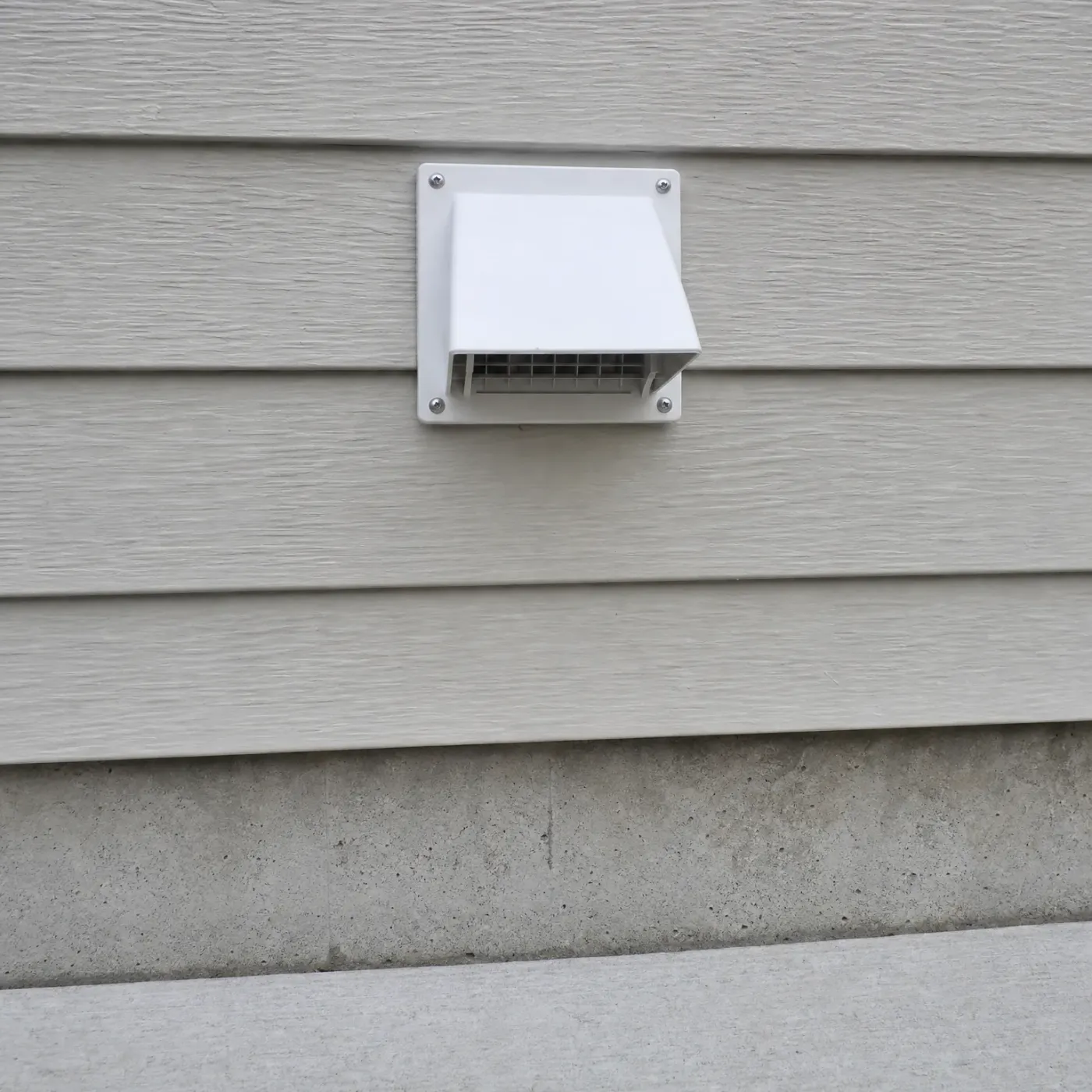
Air pushes the flap open on every cycle and closes it again when the dryer stops. Nothing lingers inside the cap, so the screen behind it stays clear and a full load of clothes finishes in one pass.
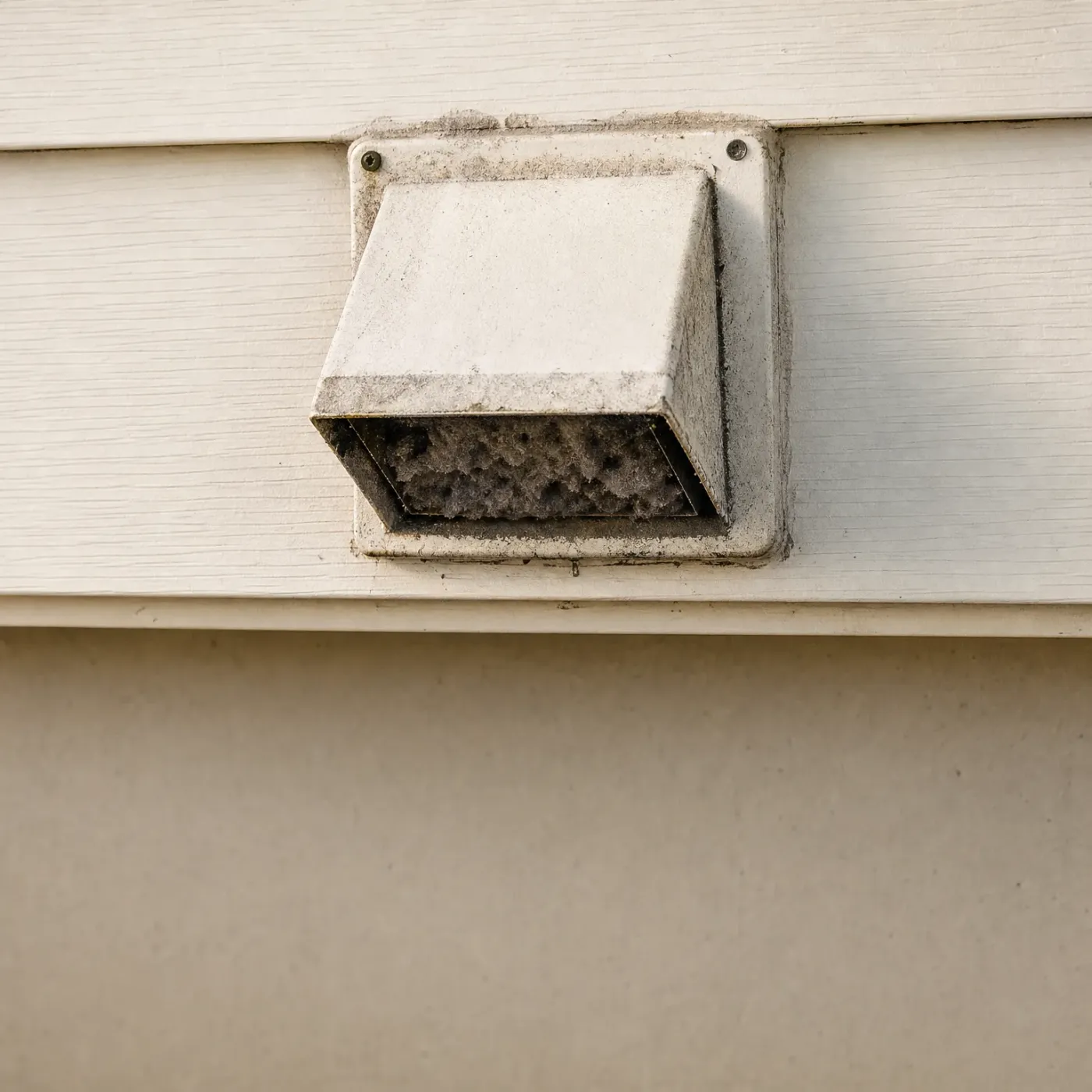
Lint has built up across the opening and the flap can no longer lift against it. Heat and moisture that should be leaving the house are backing up into the vent run instead, and the dust on the siding shows how long this has been going on.
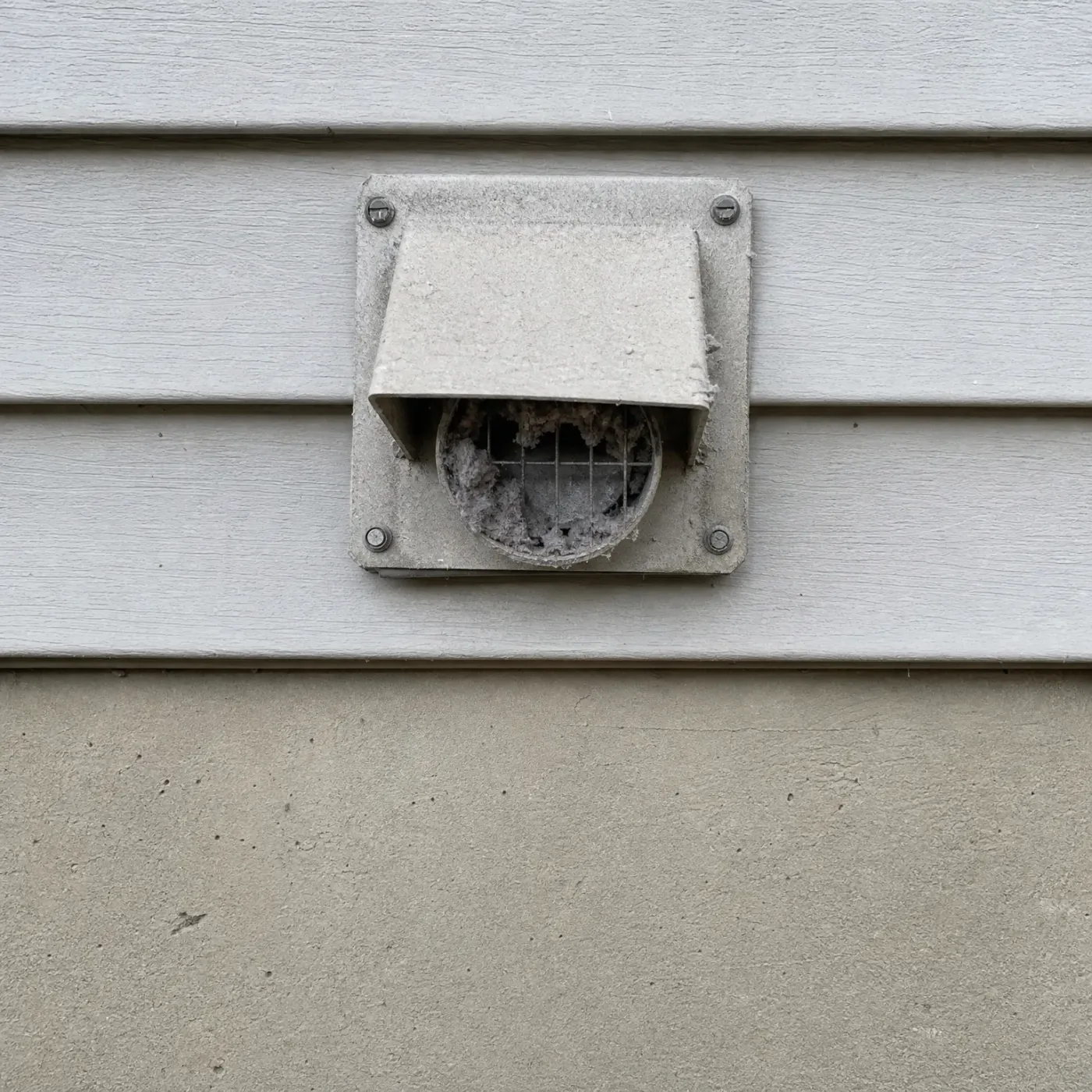
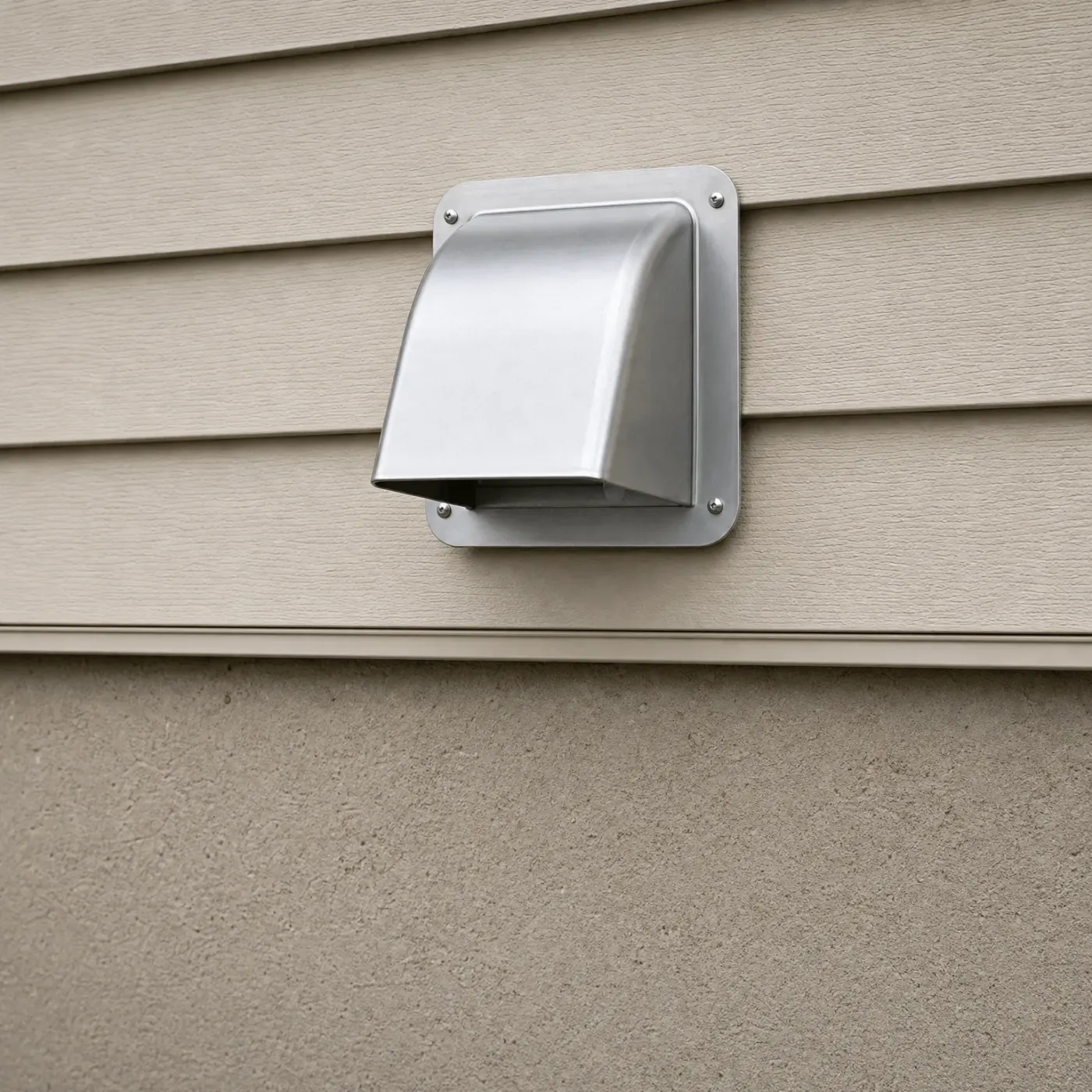
A dryer that keeps running long won't fix itself. Every load that goes through a clogged vent packs a little more lint against the one before it, so the wait tends to get worse, not better, and the heat building up near that blockage is the thing that starts dryer fires. You've already read what's likely going on inside your vent. Clearing it is a job for someone who can get into the duct itself, not just the lint trap, and check the run from the back of the dryer to wherever it lets out on your house. Send the request and a contractor who works on dryer vents in the Dallas area will reach out to you directly. You stop tracking down who's free and who answers the phone, and the laundry stops eating half your afternoon in the meantime.
A dryer heats the air and the vent's job is to get that warm, wet air outside before the next batch cycles through. When the path is clear, that exchange happens fast enough that cotton towels and jeans come out dry in one run. Add lint along the walls of the duct and the same volume of air now moves through a narrower channel, so the moisture it's carrying doesn't leave fast enough and the drum has to keep tumbling. The heating element isn't working any harder. It's putting out the same heat it always did. The air just isn't carrying that heat and moisture out the way it should.
A duct that's doing its job is smooth inside, metal rather than the coiled plastic some older setups still have, and free of the gray fuzz that collects at every seam and bend. Run a hand near the outside vent hood while the dryer is on high heat and you should feel a strong, steady push of air, not a faint puff. That strong push is also what forces the hood flap open on its own each cycle and lets it snap shut after, keeping bugs and weather out between loads. A weak flutter at the hood, even with the dryer running hot, means the air is losing its strength somewhere between the drum and the outside wall.


With the vent clear, a full load of towels or jeans dries in a single run, so the dryer isn't sitting on and reheating for an extra hour or two.
A blocked vent traps heat and moisture right where the dryer's heating element sits, and that's the setup behind most dryer fires.
You pull out clothes that are still damp after a full cycle, so you run it again, maybe a third time. The top of the dryer feels hot to the touch, and the laundry room itself warms up more than it used to. Clothes smell like hot cotton instead of clean. If you check outside, the vent hood barely moves any air, or you don't feel anything coming out of it at all. Towels and jeans take the longest, since they hold the most moisture. Left alone, this is more than a longer afternoon of laundry. Heat has nowhere to go but back into the dryer and the lint sitting against it, and that's the setup for a dryer fire.

Air pushes the hood open hard enough to lift it on every cycle, then lets it fall shut when the dryer stops. The screen behind it stays clear, and the river rock below stays dry, because the moisture is going where it's supposed to go.

The flap sits open because lint has built up behind it and won't let it close. That same buildup is blocking the air trying to push through, which is why a load that used to take forty minutes now runs twice through the dryer before it's dry.
At close to 3 people, most Dallas households are running a load of towels or sheets just about every day. That's a dryer that runs often enough for lint to build up fast, so a vent that's slow to clear backs up sooner than it would in a house doing wash once or twice a week.
ACS 2020-2024
Lint collects in the trap, but some fibers slip past it
Loose lint rides the airflow into the vent duct
Bends and long runs give lint more places to settle
Buildup narrows the duct and slows the air moving through

Two or three cycles to dry one load means the vent is restricting airflow, not that the dryer is wearing out. That's the whole answer. The fix is getting the lint out of the duct so the warm, wet air has somewhere to go.
A local contractor who handles dryer vent cleaning in Dallas has seen the long runs and tight bends that houses here tend to have, and knows where lint tends to pack in first. Once you send the request, finding that person stops being something you have to sort out. They'll reach out and take it from there.


Asking costs nothing, and the choice to hire stays yours.
A dryer vent doesn't clear itself, and the lint sitting in it now is the least it will ever have. Sending the request gets a contractor looking at your vent instead of you running a third cycle every wash day and paying for the extra hour of electricity it burns.