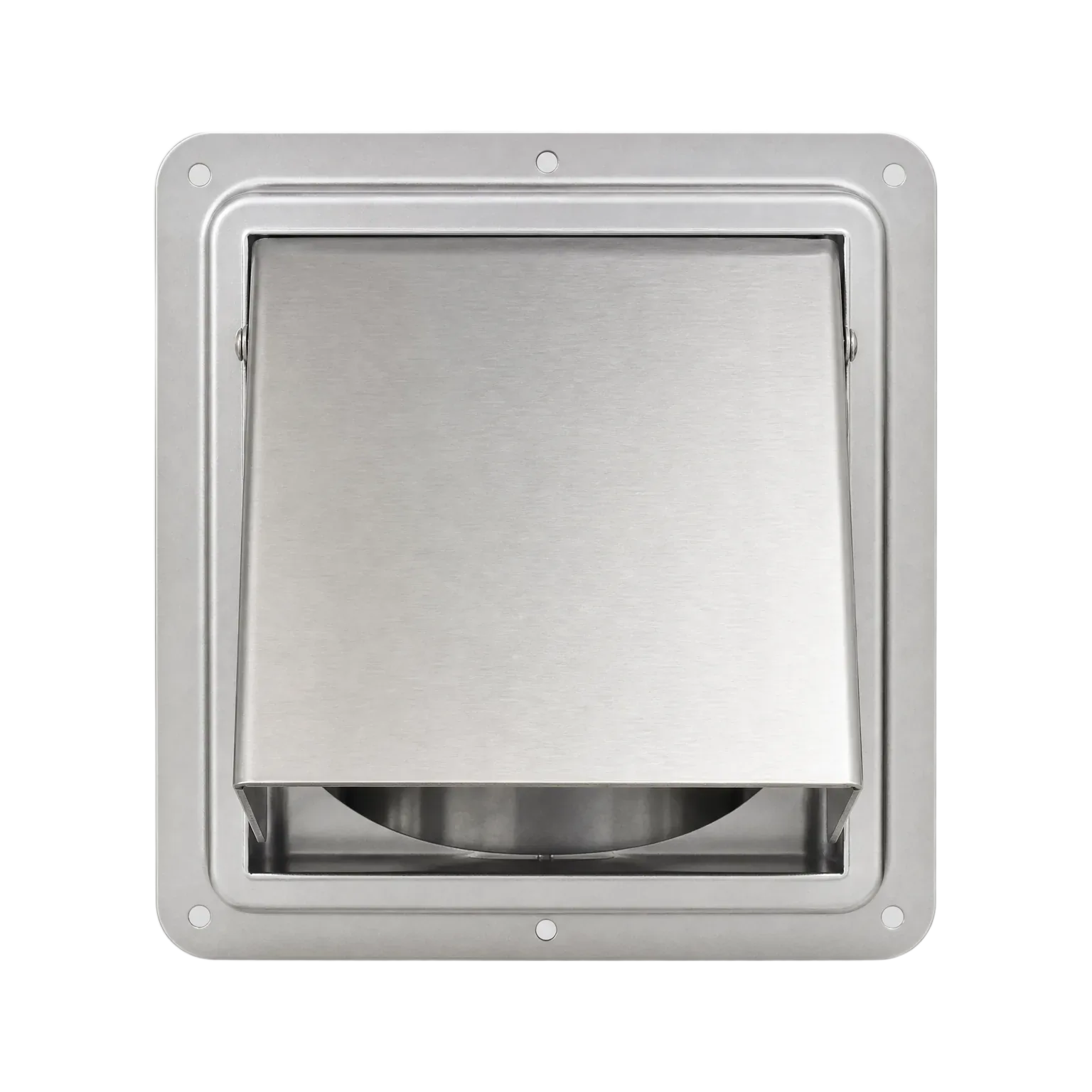
What a clear vent looks like
The flap hangs loose and sits closed against the hood. Screws are tight at the corners and the mesh behind the opening is clean. Air can push that flap open every time the dryer runs, then it falls shut again on its own.
You keep finding twigs and debris at the dryer vent outside your house, or you've noticed the flap won't close all the way anymore. Maybe you've even heard chirping from inside the wall. It's a strange thing to deal with, and it leaves you wondering why birds would pick this spot over anywhere else in the yard to build a home.
A dryer vent hood looks a lot like the hollow a bird would nest in anyway, a tube with an opening to the outside, shielded from rain and wind. Warm air pushing out when the dryer runs makes it even more appealing, especially in spring when birds like house sparrows and starlings are building. Around Houston, mild winters mean birds are active and looking for nest sites most of the year, not just a few weeks in spring. If the vent flap is bent, missing, or doesn't seal tight, it's an open invitation. Once a nest is built, it blocks the vent, which traps lint and moist air that should be going outside. That raises the risk of poor drying, longer run times, and fire.




A dryer vent hood is supposed to keep anything from getting in behind the flap. Once that flap is bent, stuck, or missing, the opening looks to a bird like any other hollow spot worth building in. Houston's winters stay mild enough that birds start looking for nest sites earlier here than they would up north, so the window for this starts sooner than you might expect. Once a nest takes hold, the duct behind the flap fills with twigs and material packed tight enough that the flap can't close anymore, which opens the door to more birds and more debris. With the vent blocked, the dryer has nowhere to push hot, damp air, so it gets pushed back toward the drum and your clothes take longer to dry. That buildup of lint mixed in with twigs and feathers sits right at the exhaust point, and it burns easily. Clearing the nest out once doesn't always end it either. Birds tend to come back to a vent they've used before.


2.73 people per household on average
Your household runs about 2.73 people on average here, meaning more loads of laundry, more vent cycles, and more chances for a damaged flap to go unnoticed until a bird gets to it first.
Half the homes here were built by 1988
Half the homes in Harris County were built in 1988 or earlier, and vent hoods that old have often lost the spring tension that keeps the flap shut tight.
Power here costs 16.78 cents per kilowatt-hour
Power here runs 16.78 cents per kilowatt-hour, so a blocked vent that forces your dryer to run longer each cycle shows up fast on the bill.
ACS 2020-2024 · EIA-861 2025
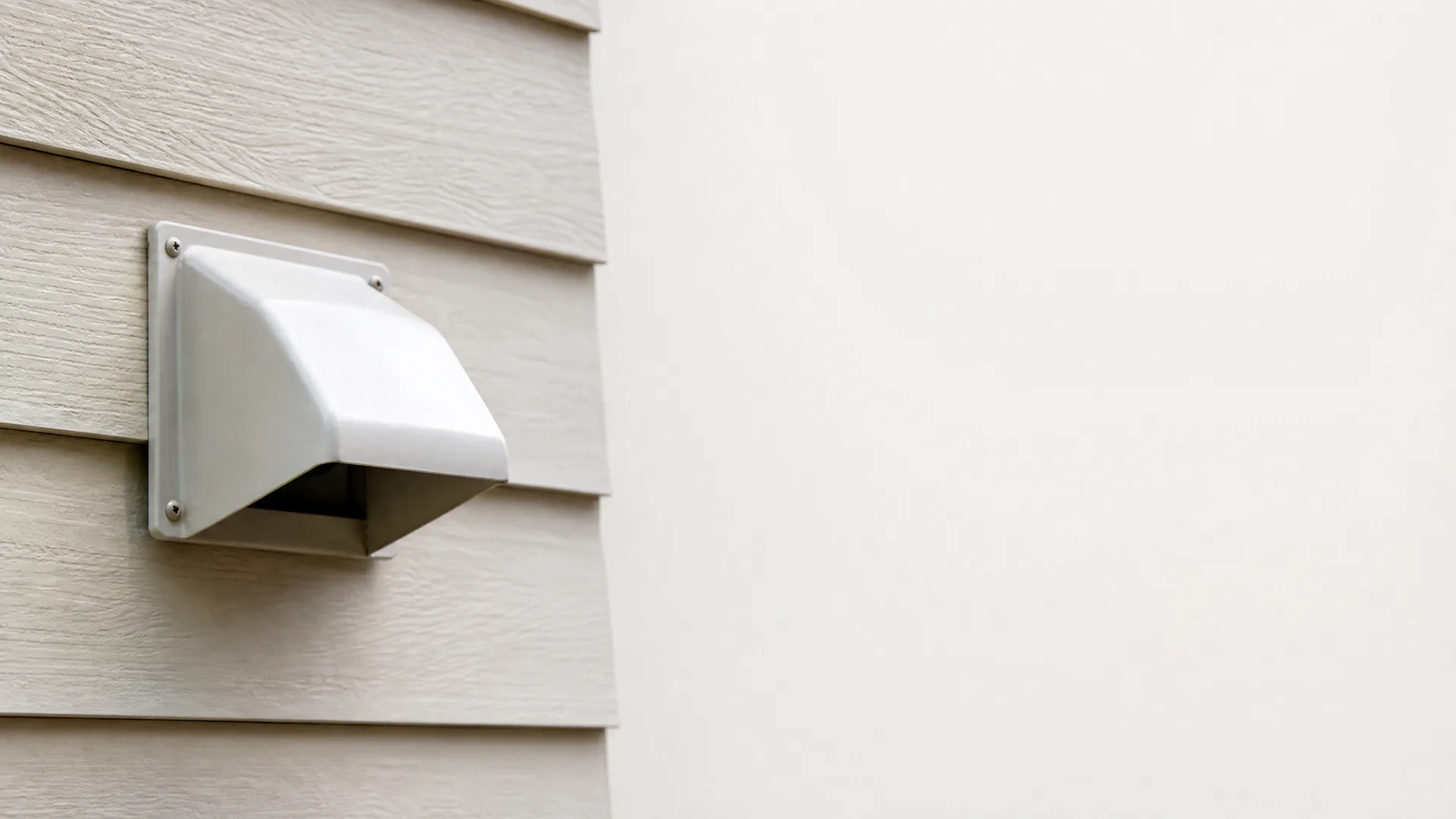
A dryer pushes out warm, damp air every time it runs, and that air has to go somewhere. In a Harris County house doing laundry most days of the week, the hood outside stays warmer than the wall around it for long stretches. A bird looking for a nest site reads that warmth the same way it reads a hollow tree. The flap is supposed to break that signal by closing the moment the dryer stops.
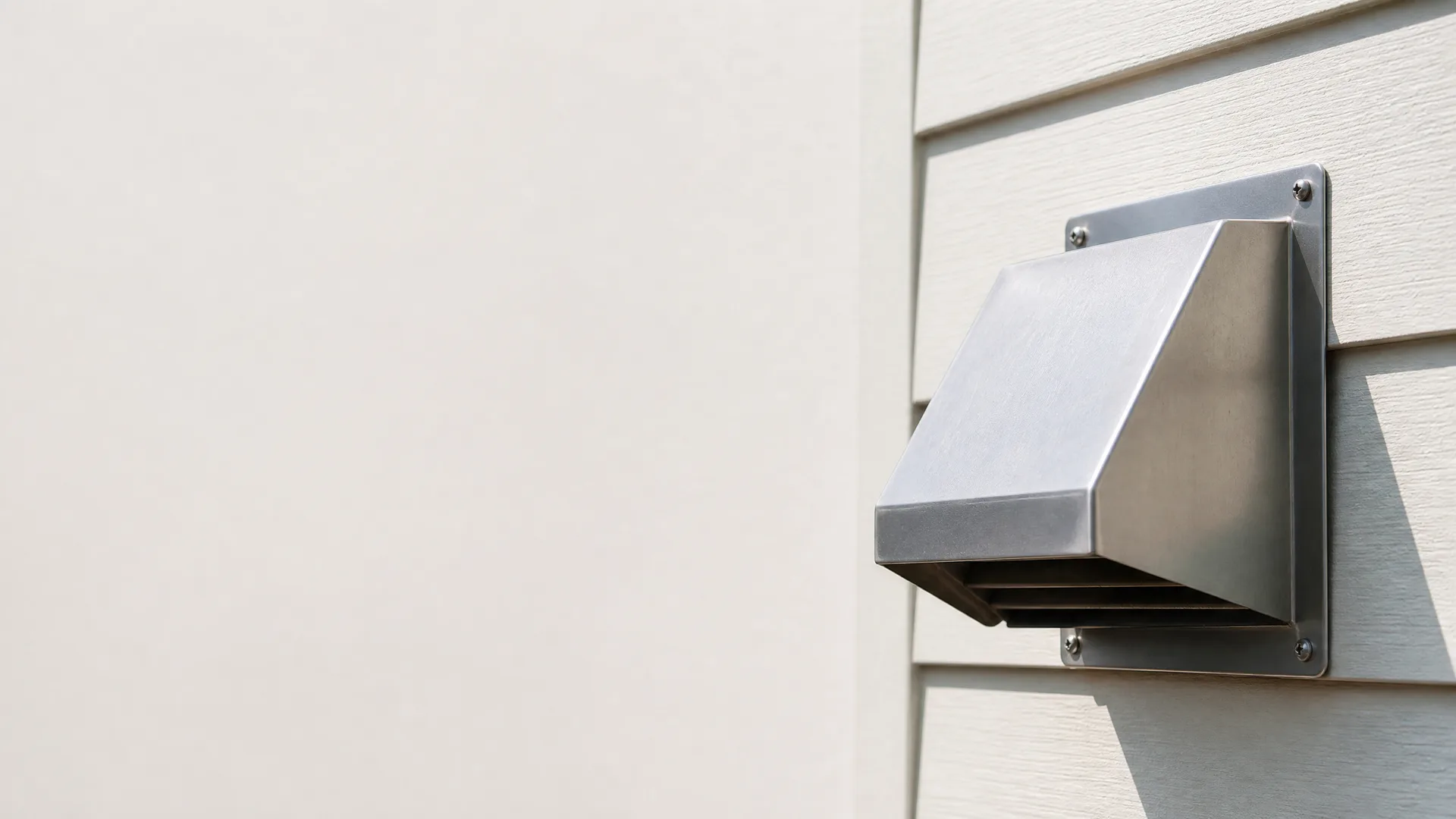
Lint builds up behind a nest faster than most people expect, since twigs and grass catch what the airflow used to carry outside. Once that material packs the duct, the dryer runs hotter and takes longer to dry a load because the moist air has nowhere to escape. The motor and heating element keep working the same amount, but the house gets less out of it, and the duct itself holds onto heat it was never built to hold.
A household this size in Harris County means laundry most days, not once a week. Each cycle pushes warm air through that hood, and a flap that's stuck or missing stays an open door a little longer, giving a bird more chances to find it first.
ACS 2020-2024

The flap hangs loose and sits closed against the hood. Screws are tight at the corners and the mesh behind the opening is clean. Air can push that flap open every time the dryer runs, then it falls shut again on its own.

Lint has caked over the grid of openings until the holes barely show. A hood like this can't push the flap out the way it should, and it won't shed the next bird that comes looking for a dry place to build.


A nest in the vent doesn't clear out on its own, and running the dryer against it just pushes lint into the blockage from the other side. Twigs and dried grass catch lint with every load, and in a house doing laundry most days of the week that buildup packs in fast. Pulling the hood apart, clearing the nest, and checking whether the flap still seats right isn't a job most people want to do standing on a ladder next to a wall with a bird still coming and going. It calls for someone who opens up vents like this all the time and knows what's usually jammed in there and what the flap needs to work again. One local, licensed contractor gets your request, so you're dealing with one call back, not five companies competing for the job. That's one less thing sitting on your list while the vent stays blocked.
A dryer that can't push air out has to work harder to dry anything. Loads take longer, and you might start running the same towels through twice. The motor and heating element stay on longer each cycle than they were built for. Some dryers will shut off mid cycle when the exhaust path gets this restricted, which is the machine protecting itself. The lint that backs up behind a nest has nowhere to go but the duct, and it sits there against the housing. Power here already costs more than in a lot of other places, and a dryer running long cycles every day adds that up fast on your bill.
Dried grass and twigs catch lint the way a filter does, and that lint is what burns. A dryer vent packed with nesting material and lint is fuel sitting right where your dryer pushes out heat with every cycle. This is true whether the dryer runs daily or a couple of times a week. It's also a risk that sits unseen, behind a wall, until someone notices the smell of hot lint or the dryer running longer than it should. A vent cleared out and checked for a working flap takes that risk off the table.


The nest stays put, lint keeps catching on it, and the dryer keeps pushing hot air into a wall that can't vent it. Loads take longer every time you run one.
A contractor pulls the nest and the lint packed around it, checks the flap closes right, and the dryer vents outside the way it's supposed to again.
Right now there's likely a nest, or the start of one, sitting in the hood outside your house or just inside the duct. You'd notice the dryer running longer than it used to, a burning smell when it starts up, or the laundry room feeling warmer and more humid than normal. Outside, you might see lint and stray twigs caught in the grass below the vent. Left alone, that blockage traps heat the dryer is supposed to push outside. The longer it sits, the more lint builds up around the nest material, and that combination sitting against a hot heating element is a real fire risk, not just a nuisance.

This is what a vent should look like. The hood sits flush against the siding, screws tight at all four corners, and the flap hangs shut until the dryer pushes it open. Nothing's built up around the opening, so warm air gets outside every time you run a load.

Lint has packed the hood solid and the flap can't close anymore. That gap stays open around the clock, not just while the dryer runs, and it's exactly what a bird looks for when it's scouting a place to build. The buildup didn't happen in one load.
A bird builds where a flap stopped doing its job, and the vent stays blocked until someone pulls the nest out by hand. That's the whole problem and the whole fix. A contractor who works on dryer vents in Harris County all year has seen this exact setup more times than you'd guess, hood after hood where a loose or missing flap gave a bird a place to land. The request that comes from this page goes to one licensed local contractor, not a handful of companies competing for your callback, so you're dealing with someone who already knows what's likely packed in there before they show up. Your dryer keeps running the way it has been until that nest and the lint around it come out. Once it's clear, the flap closes again on its own and the vent does what it was built to do.
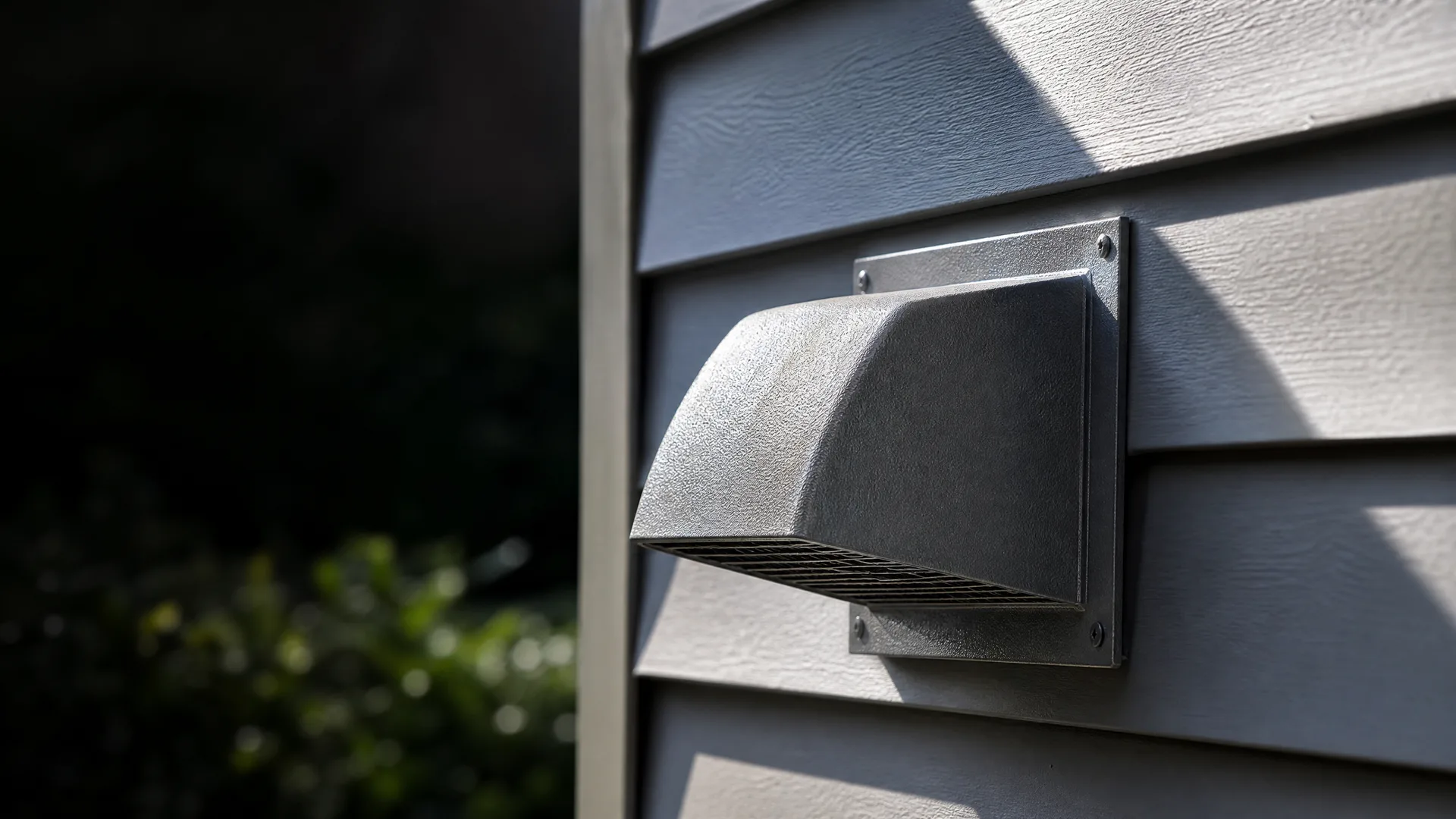
Send one request and you're done looking