
Ductwork doing its job
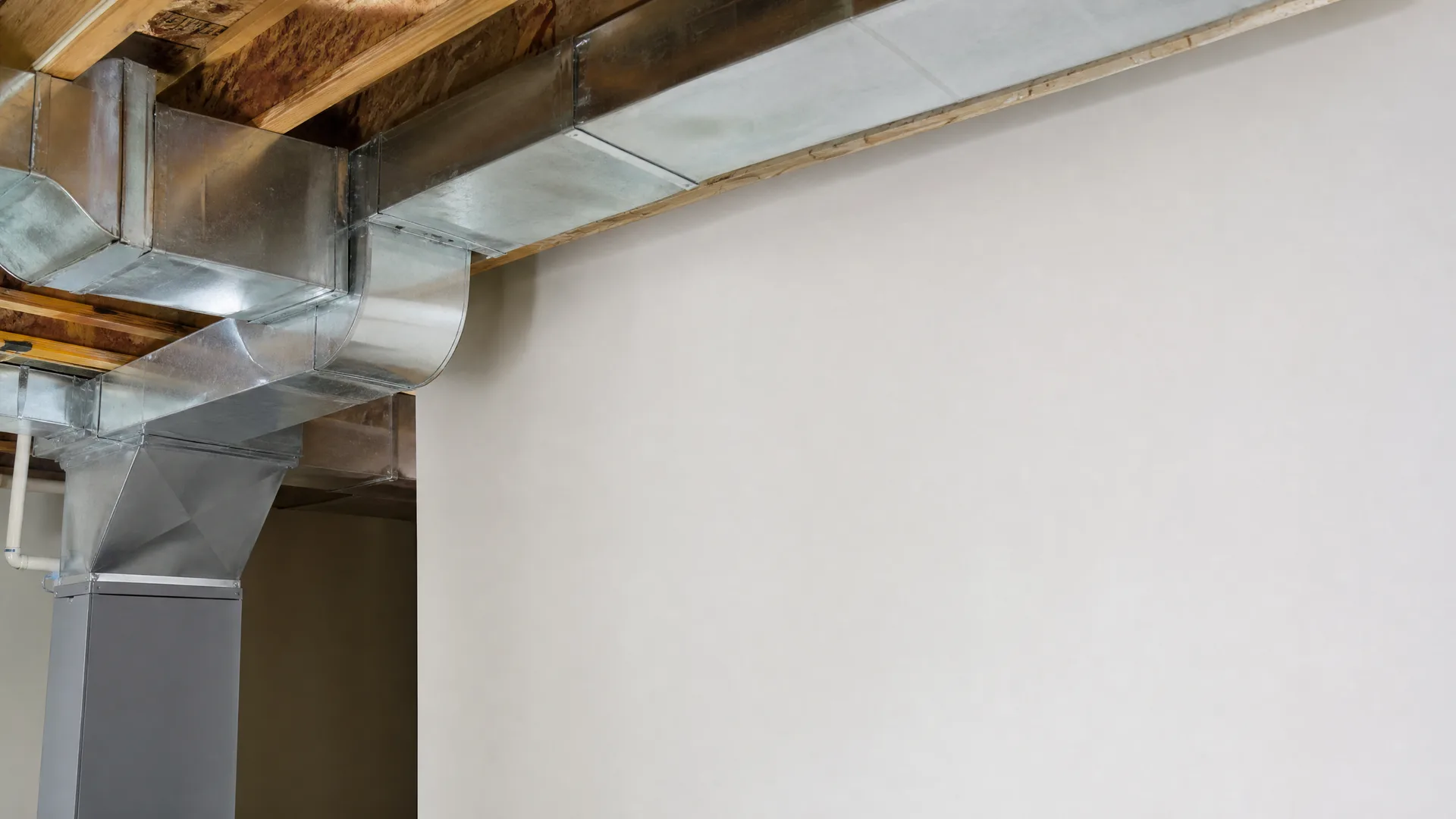
This is a duct system moving air the way it should, supply runs feeding rooms and return ducts pulling air back to the furnace. No staining around the seams, no musty smell when the blower starts. Dry metal stays clean metal.
Skip searching for someone who cleans ducts in Tarrant County.
Describe it onceYou saw something dark around a vent cover, or maybe a musty smell shows up every time the air handler kicks on. Fort Worth summers run long and humid, and that moisture has to go somewhere. You want to know if what you're smelling or seeing is actually mold growing inside the ductwork itself, or something else entirely.
Mold needs moisture, a food source and still air, and a duct system can give it all three. Condensation forms on the coil and on the metal or flex duct near it, dust inside the ductwork gives mold something to feed on, and the inside of a duct run sits dark and undisturbed most of the day. In Tarrant County, where summers stay humid for months at a time, that moisture problem doesn't let up the way it might somewhere drier. If you're seeing dark spots around a supply vent or smelling something musty when the system runs, that's usually mold already established inside the duct, not just dust.
Mold needs moisture more than it needs dirt. The evaporator coil stays wet whenever the AC runs, and condensation collects in the drain pan below it. Through a Fort Worth summer that stretches from April into October, that coil rarely gets a chance to dry out. Any dust sitting in the nearby ductwork has standing moisture nearby for months at a stretch. That combination, not a dirty filter, is usually what starts the problem in the first place.

Mold shows up first on the coil and in the drain pan, then spreads into the first few feet of duct closest to the air handler. Flex duct with a dust-coated interior holds moisture longer than smooth metal, so it tends to show growth sooner. Vent covers near bathrooms and kitchens, where humidity is already higher, are often where a homeowner notices the smell before seeing anything. Mold further down the duct run is less common unless there's a separate leak.




Walk past a vent and catch a musty, damp smell, especially right after the air handler kicks on. Maybe you've seen dark specks or a fuzzy edge around the vent cover itself, or a stain spreading across the ceiling tile near one. Some rooms feel stuffier than others even with the AC running full blast, because air isn't moving through that duct the way it should. None of this gets better on its own. The mold keeps feeding on the dust in the ducts, and every cycle pushes more of that air through your house. Left alone through another long Fort Worth summer, it spreads further into the duct run and gives the people breathing that air more to deal with, not less.

Late afternoon in April, sun coming in low through the window. You're dusting the end table under the ceiling vent and notice the cloth comes away gray after just a few swipes, more than it should for a table you wiped down last week. You look up at the grille and see the same fine dust clinging to the slats, thicker in the corners where the air doesn't push it off. The AC had been running most of the day, that first warm stretch before the real Fort Worth heat sets in. You wipe the table again, look at the vent once more, and go back to what you were doing.
Half the homes here were built by 1990
Half the homes in Tarrant County were built in 1990 or earlier, and duct runs that old have had decades to develop gaps and seams where damp air leaks in.
Heat runs November through March
Cooling runs May through October here, six months of condensation collecting on the coil and in the drain pan, feeding whatever is already growing in the ducts.
Cooling runs May through October
Heat runs November through March, so for most of the year the system is either cooling and adding moisture or idle, with little time the ducts spend fully dry.
ACS 2020-2024 · NOAA nClimDiv 1991-2020



This is a duct system moving air the way it should, supply runs feeding rooms and return ducts pulling air back to the furnace. No staining around the seams, no musty smell when the blower starts. Dry metal stays clean metal.

Look up at ductwork like this and you may see dark spots forming along the seams or at the low points where condensation collects. Once mold takes hold on that sheet metal, it rides the airflow into every room the duct feeds.


Tracking this down yourself means finding a contractor who'll actually run a camera through the ducts instead of guessing, then getting someone out before another month of humid air pushes it further through the system. That's calls to companies who may not know Fort Worth duct work, explaining the musty smell and the gray dust each time, then sorting through quotes that don't tell you much on their own. This connects you with one local contractor who works on duct systems through these same summers and knows where gaps tend to open in runs this old. The smell under that vent and the dust on the table aren't going away on their own, and the coil will keep sweating as long as the AC runs. Getting someone out to look now, before the next stretch of humid days, is what actually moves this forward.
A contractor seals off supply and return vents before starting.
A negative air machine pulls the duct system under vacuum.
A rotary brush or air whip knocks mold loose from the duct walls.
The vacuum draws loosened mold and debris out through one access point.


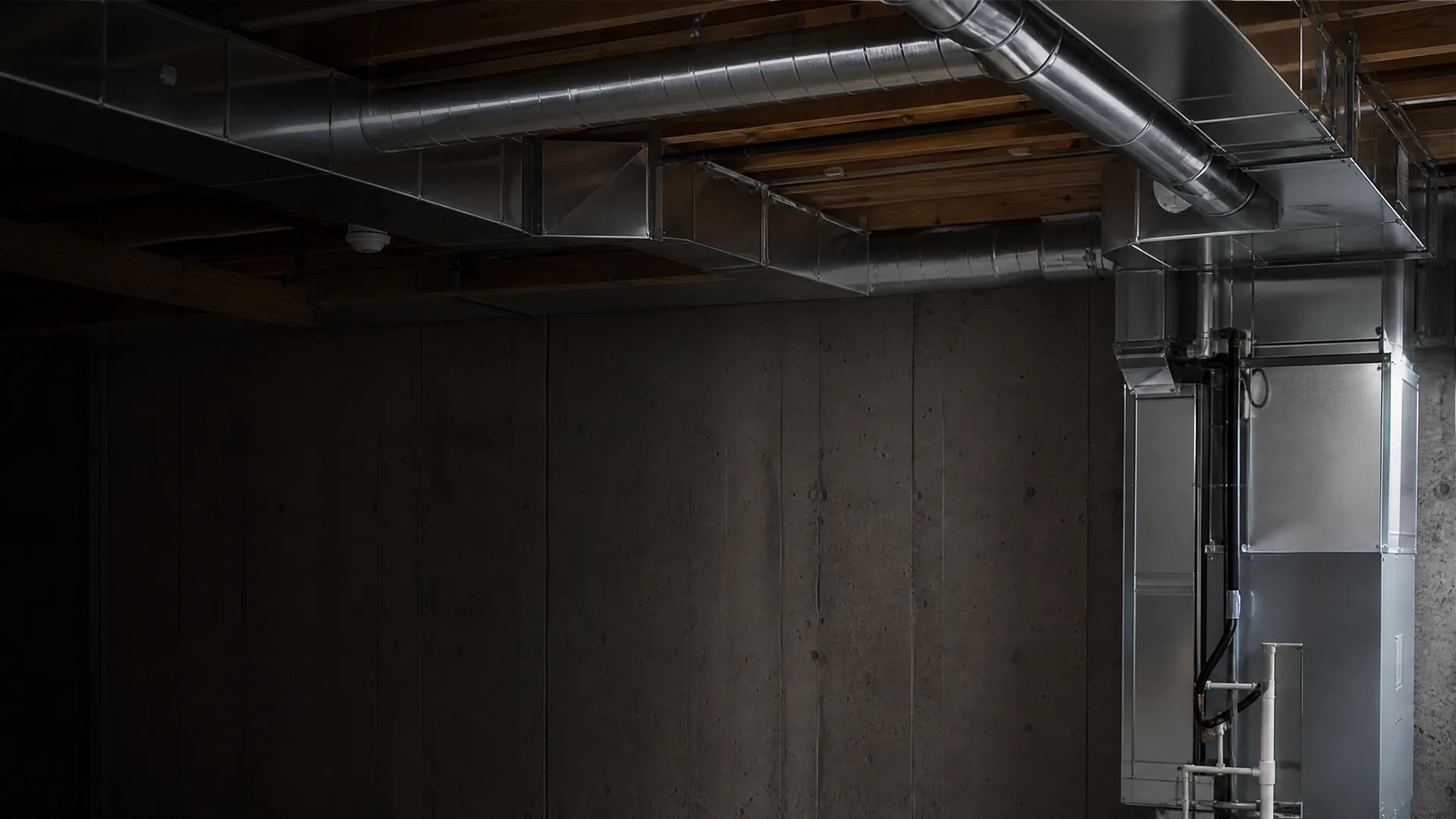
A proper cleaning starts at an access point cut into the main trunk line, and a HEPA-filtered vacuum stays hooked up there for the whole job, pulling air through the system so loosened mold and dust leave the ducts instead of settling back into them. From that access point, flexible whips fitted with brush heads work down into the branch runs, the smaller ducts that peel off the trunk line toward each room. Mold doesn't stay put in the main line, so skipping the branches leaves spores behind to spread again. The plenum gets checked too. That's the sheet metal box sitting right where the blower pushes air out into the duct system, and since every room's air passes through it, mold growing there reaches the whole house, not just one vent. If any of the ductwork is lined with fiberglass rather than bare metal, a contractor looks at it closely, because mold that's taken hold in that liner usually means replacing the section rather than cleaning it. The material itself holds the growth. None of this touches the coil or the drain pan, which get inspected on their own, since either one holding moisture will just send mold back into clean ducts within weeks. Once the cleaning's done, a contractor measures static pressure in the system to confirm the airflow is moving the way it should, since weak airflow is often what let moisture collect in the first place.
At just under 17 cents per kilowatt-hour, running the air handler longer than it needs to run costs you something real. Mold-fouled ducts make the blower work harder to push air through, and that extra runtime shows up on the bill every month cooling season drags on.
EIA-861 2025
Mold in your ducts doesn't go away on its own, and painting over it with air freshener or a new filter won't touch what's growing past the vent cover. It takes a contractor running a camera through the duct run, cleaning what's there, and fixing whatever is letting moisture in, whether that's a coil that drains poorly or a seam that's been leaking damp air for years. A contractor who works on Fort Worth duct systems all summer has seen what a humid, 100-degree stretch does to a coil and a drain pan, and knows where to look before the camera even goes in. You'll hear from one local contractor, not a handful of them competing for your callback. You know the smell, you've seen the staining, and now you know what's causing it and what it takes to clear it out.
A licensed pro who works in Tarrant County gets your request.