
Clean and dry ductwork
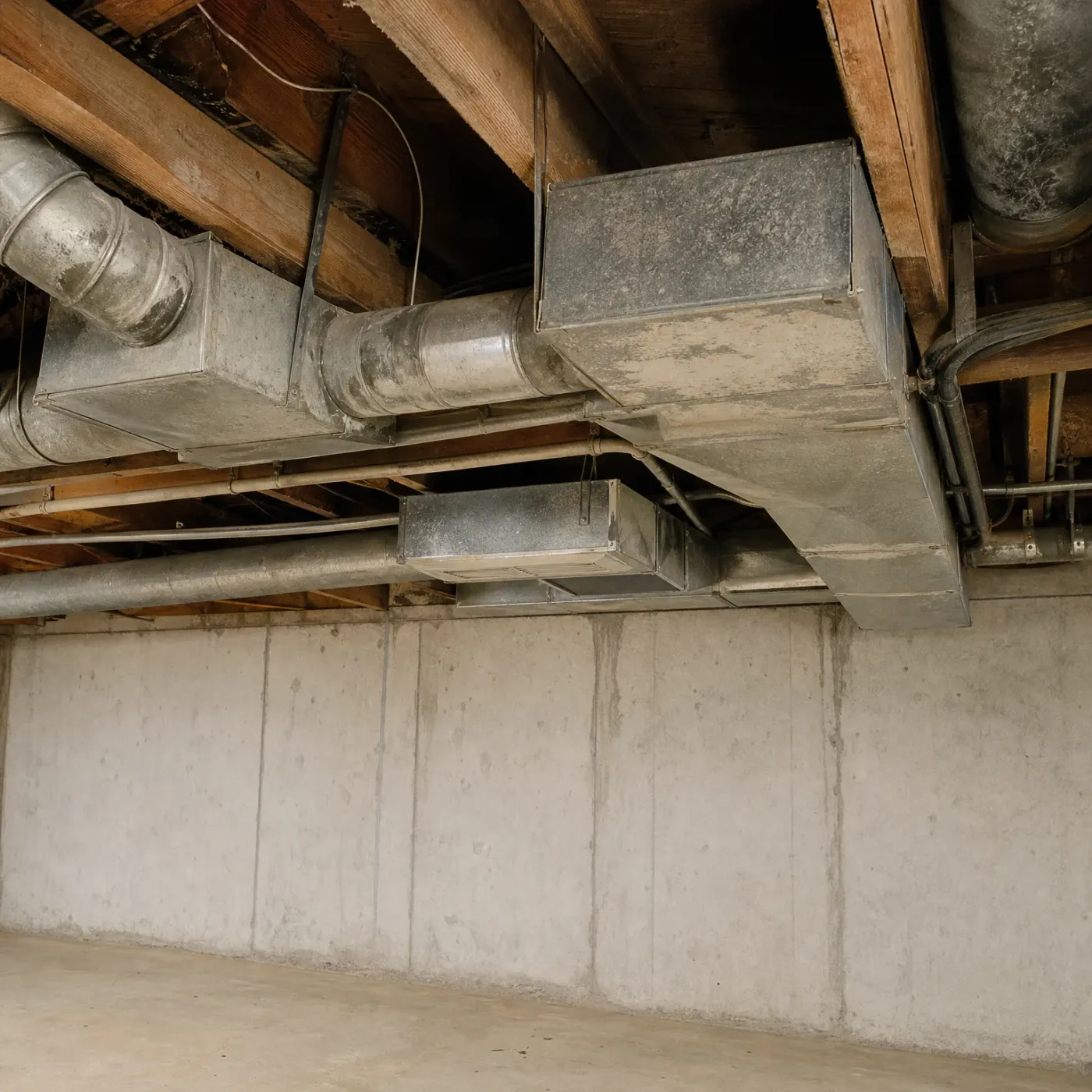
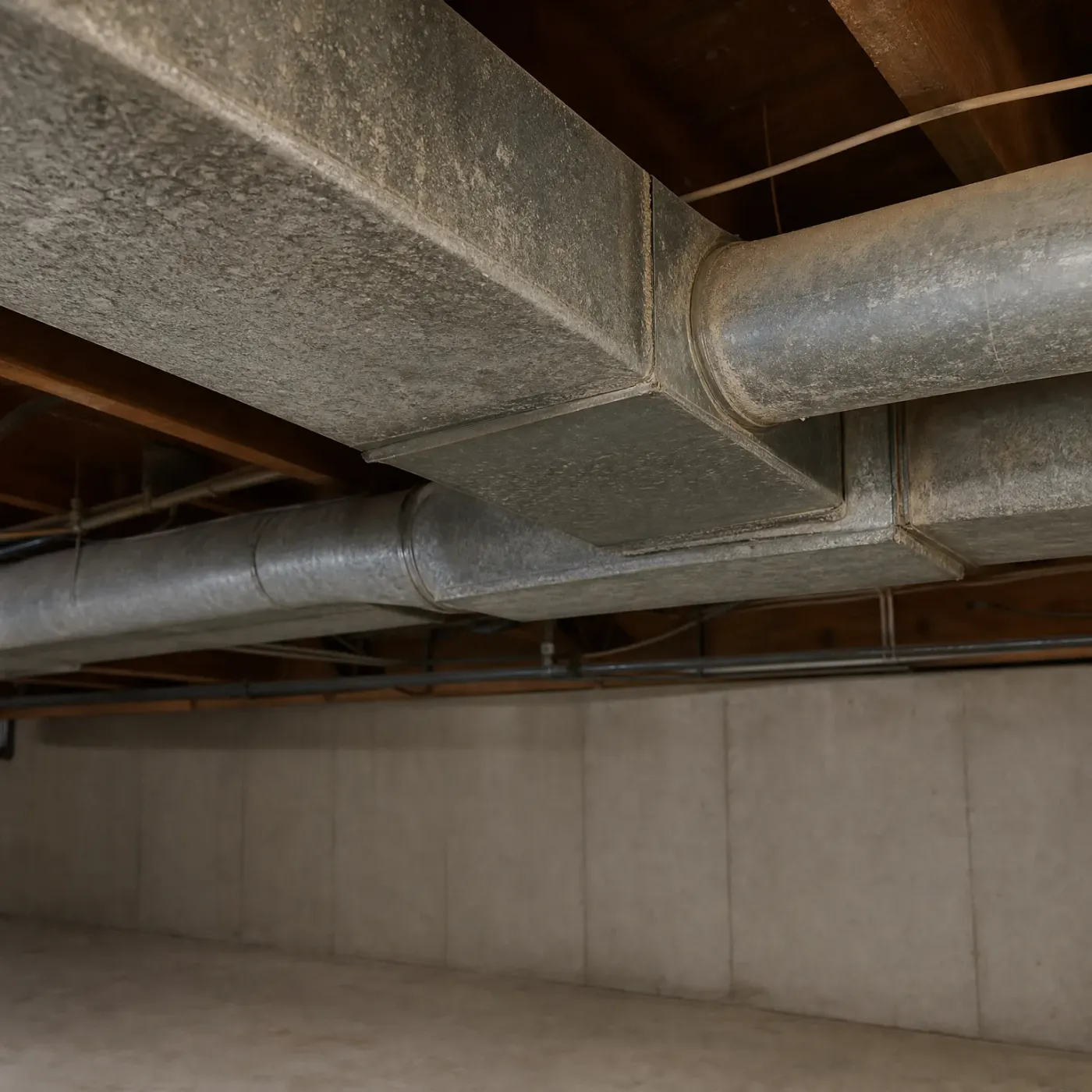
Dry metal, dry insulation, no standing water anywhere near the trunk lines. Air moving through smells like nothing at all. This is what a duct system looks like when condensation never had a chance to collect and sit.
A musty smell coming out of the vents usually means something is damp inside the duct system, not just a dusty house. You turn on the air and the smell follows it through every room, which tells you the source is somewhere air travels before it reaches you. In Dallas, where the AC runs for months at a stretch, that moisture has plenty of time to build into something that smells like mildew every time the system kicks on.
Air conditioning pulls humidity out of the air and that water has to go somewhere. Some of it collects on the evaporator coil and in the drain pan, and some of it lingers in the ducts themselves. With Dallas summers as long and muggy as they are, the system runs enough hours a day that this moisture rarely gets a chance to fully dry out between cycles. Mold and mildew grow on that dampness, inside the coil housing, in the drain pan, or along the duct walls, and the smell gets pulled through the vents every time air moves through the system. The longer it sits, the more it spreads through the ductwork, which is why the smell tends to show up in every room rather than just one.

Dry metal, dry insulation, no standing water anywhere near the trunk lines. Air moving through smells like nothing at all. This is what a duct system looks like when condensation never had a chance to collect and sit.
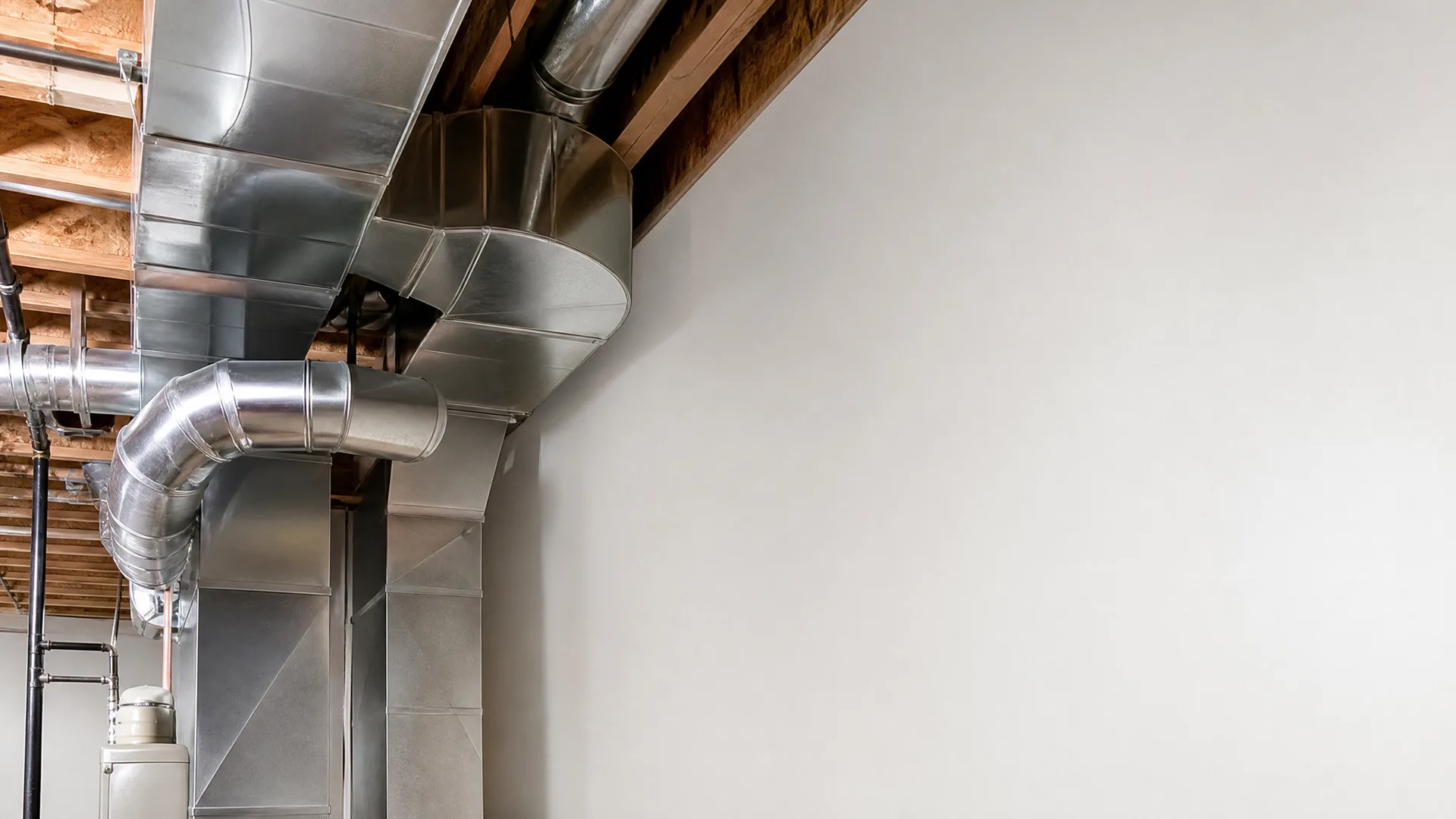
Moisture collects at a seam or a low point in the duct and sits there long after the AC shuts off. Dust and debris in that damp spot turn sour, and every time the blower kicks on, that air gets pushed into your rooms.
You notice it most when the air first kicks on, a damp, sour smell that fades a little then comes back room to room. Sometimes it's strongest in a bedroom far from the unit, or in whichever room the vent sits closest to the floor. You might see a faint ring of dust around the vent cover that feels damp to the touch, or notice the smell gets worse right after a run of muggy days. Left alone, the moisture behind that smell gives mold something to grow on inside the ducts, and what started as an odor becomes an air quality problem for everyone breathing it in the house.
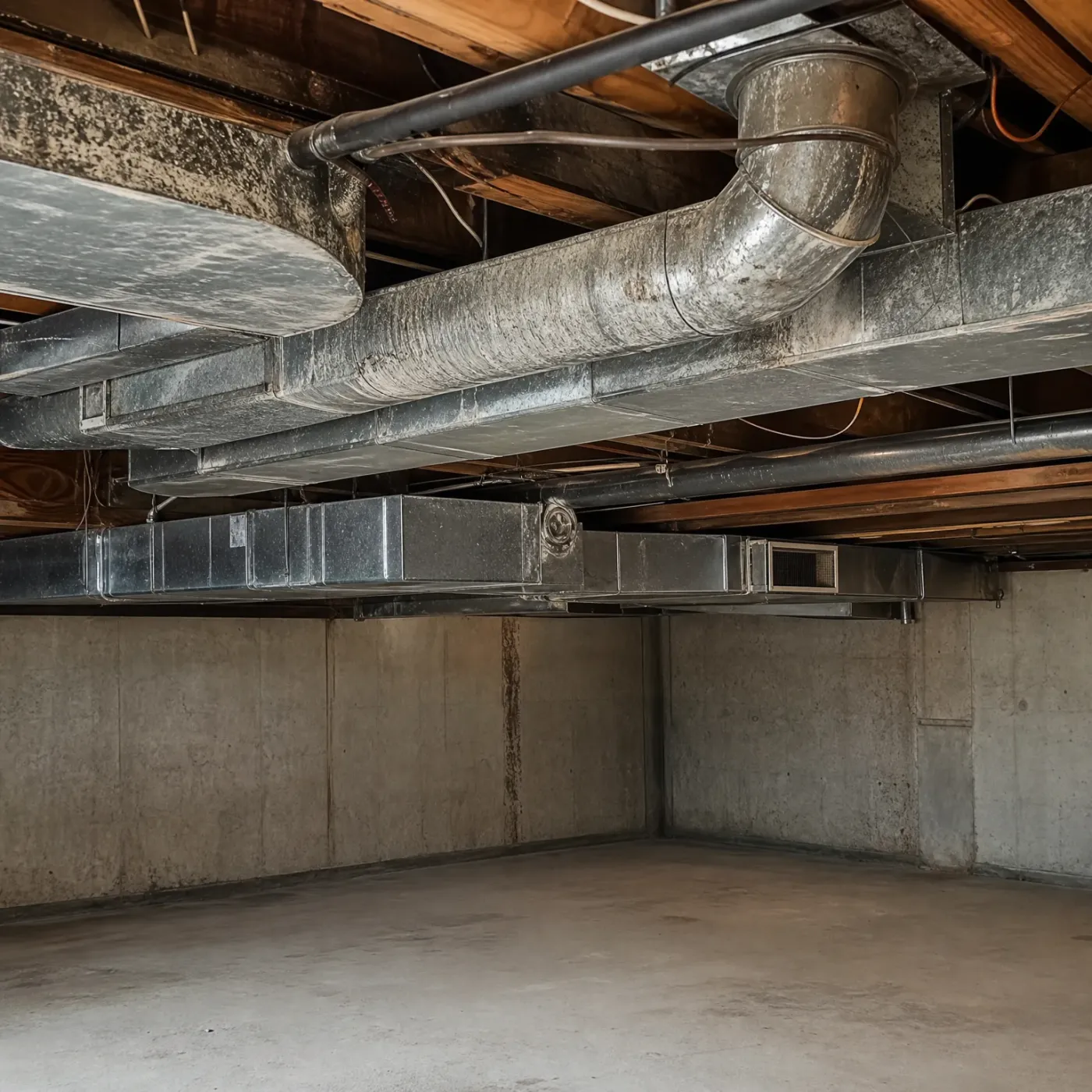
Dallas summers run long and muggy, and every time your AC pulls that humid air through the ducts, moisture has a chance to collect wherever the metal is cool. The evaporator coil is usually the wettest part of the whole system, sitting right in the airstream. If condensation keeps forming faster than it drains away, the coil and the drain pan stay damp long after the unit shuts off, and that's the right environment for mold to take hold.

Every central AC has a condensate drain line carrying water away from the coil to the outside or a floor drain. When that line clogs with algae or dust, water backs up instead of draining, and it can sit in the drain pan or even inside the ductwork near the air handler. A clogged line is one of the more common reasons a duct system that was fine for years suddenly starts smelling musty every time the air runs.

The smell is mold or bacteria growing on a wet surface somewhere in the system, usually the evaporator coil or the drain pan underneath it. Both sit right where warm return air meets cold refrigerant, so they collect condensation every time the system runs. A clean coil in good shape drains that water into the condensate line and out of the house. One with dust packed into the fins holds water against the metal instead, and that wet dust is what starts smelling sour after a day or two.
The duct lining itself can hold the problem too, especially in flex duct with an inner fiberglass liner. Once that liner gets damp, it stays damp longer than bare metal does, and nothing you spray into a vent reaches far enough to dry it out. Finding out which of these it is, the coil, the pan, or the duct lining, takes a look inside the system rather than a guess from the vent cover. A contractor who handles duct cleaning in Dallas can tell you which one it is in your house once they're in there, and get matched to your job instead of you working down a list of names yourself.

Half the homes here were built by 1983
Cooling runs May through October here, six months of warm air meeting a cold coil, six months for moisture to collect if the drain line is slow to clear it.
Heat runs November through March
Heat runs November through March, five months when the system sits mostly idle and whatever moisture is already in there has no reason to dry out.
Cooling runs May through October
Half the homes in Dallas County were built in 1983 or earlier, long enough for a duct system to have been cleaned once, patched once, or never looked at at all.
ACS 2020-2024 · NOAA nClimDiv 1991-2020
That smell doesn't stay in the ducts. It gets into the couch, the curtains, the closet where you keep coats, anywhere air from the vents settles. Guests notice it before you do, because you've stopped smelling it the way you stop smelling your own kitchen. Run the AC all summer the way Dallas weather asks you to and you're pushing that air through every room, every day, for six months straight. Some households in this spot end up with sinus trouble or a cough that doesn't fully clear until the system gets looked at, especially anyone already sensitive to mold. There's also what it does to the house itself. A drain pan that stays wet or a coil that stays damp doesn't just smell, it corrodes, and a duct system that holds moisture holds it in the insulation too, which doesn't dry out on its own once summer humidity sets back in. None of this means tear anything out. It means the moisture needs to go somewhere else, and the surfaces growing on need to get clean and stay dry.

Skip searching for someone who cleans ducts in Dallas County.
Sending the form costs nothing.
You open the windows when people come over. You run a candle in the living room before anyone sits down. You've stopped using the hall closet because coats come out smelling like the vent. None of it touches the source, because the problem is inside the ductwork, not the room. The smell comes back within a day because the coil or the drain pan is still wet, still feeding it. Covering a smell that starts in the ducts takes real effort and buys you a few hours at best, and you're the only one who can't tell anymore how bad it's gotten.
A contractor who cleans ductwork can get into the coil, the drain pan and the runs of duct where the moisture is sitting and growing. That's work you can't do yourself with a vacuum and an open window. Instead of calling around Dallas to find someone who services duct systems, explaining the smell over the phone more than once, and sorting through quotes on your own, you get matched with a contractor suited to your home and they reach out to you. One visit addresses the whole system instead of the one room you happen to be standing in.


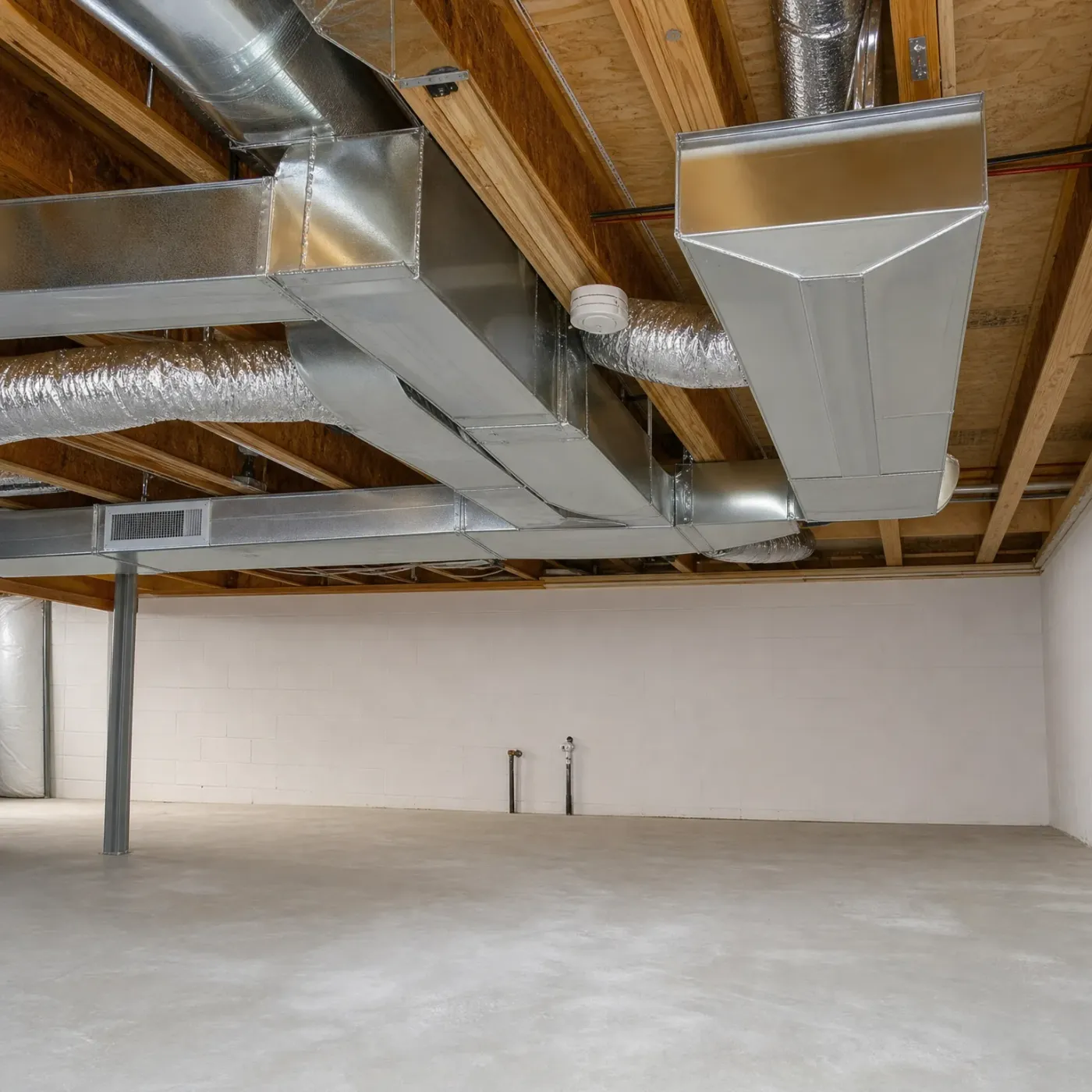
At 16.63 cents per kilowatt-hour, running the blower longer to chase that smell down adds up fast. A cleaning that clears the coil and drain pan fixes the source, so the system stops working harder than it should just to move stale air through the house.
EIA-861 2025
A musty smell from the vents means moisture somewhere in the duct system, almost always at the coil or the drain pan underneath it. Dallas gets six months of warm, humid air meeting that cold coil every summer, and that's enough time for moisture to collect if the drain line is slow to clear it. Wiping down vent covers or pouring vinegar down the condensate line only reaches what you can see. The growth further back in the system, on the coil itself or in the pan, stays untouched. That's why the smell keeps coming back no matter how often you clean what's in front of you.
It doesn't stay put either. Vent air carries it into the couch, the curtains, the coats in the hall closet, anywhere that air settles once it leaves the duct. You stop noticing it after a while, but guests don't. And the longer that moisture sits trapped in the system, the harder the system works to move air through it, which shows up on a power bill in a city where electricity already runs 16.63 cents a kilowatt-hour.
A cleaning that actually reaches the coil and drain pan deals with where the smell starts instead of just where it comes out. Rather than searching for a contractor, calling around, and describing the same smell to every one of them, this page matches you with one who handles duct cleaning and has them reach out directly.




Find a duct system cleaning pro in Dallas County
Explain the job once and skip repeating it on every call.

