

Ductwork moving air the way it should
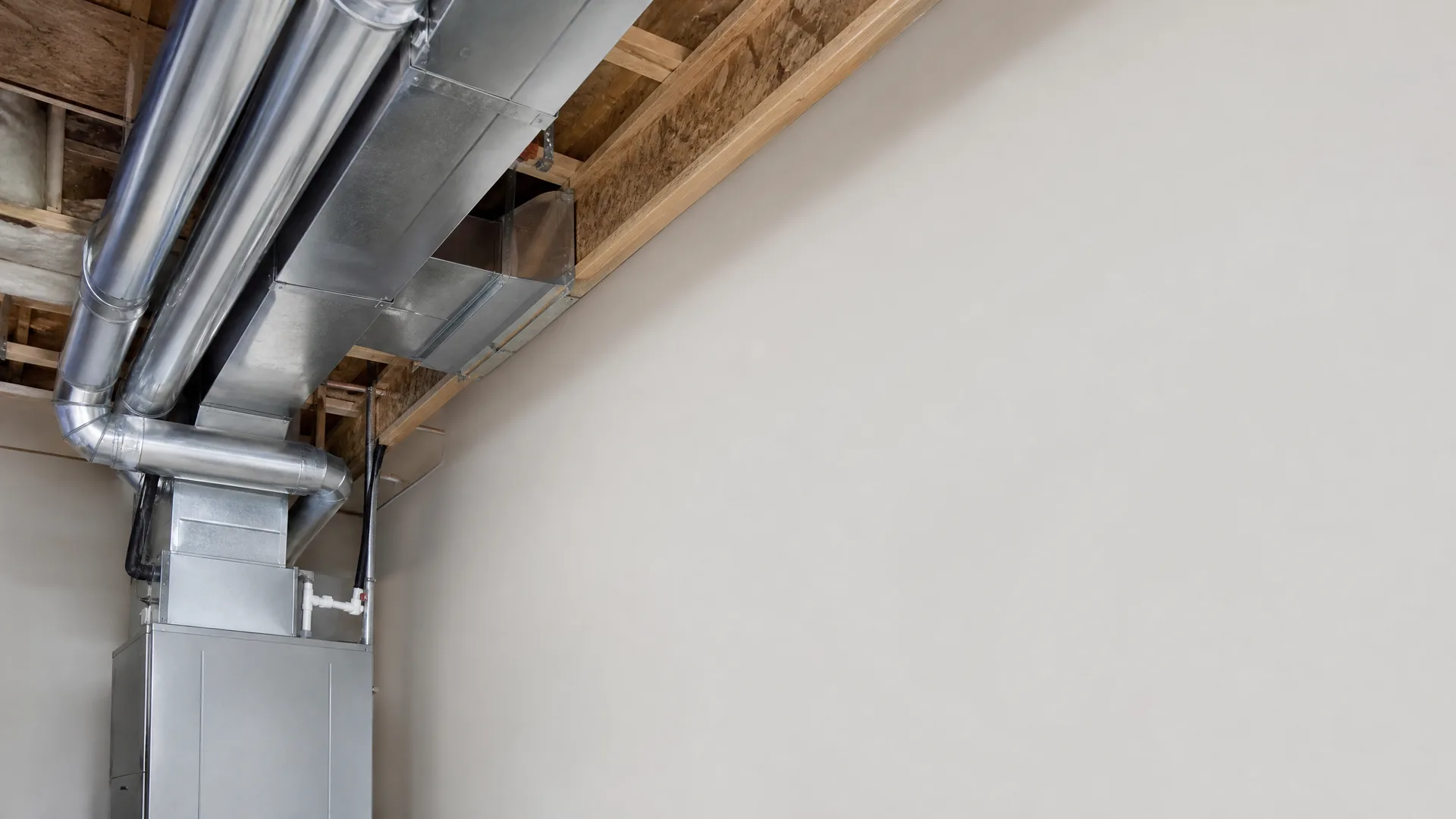
This is a clean system: sheet-metal plenum, rigid and flexible runs overhead, nothing blocking the path. Air moves through without picking up a smell or a layer of dust. The joists and lines around it stay dry.
Send the request and finding a pro stops being your problem.
Hand it offTexas summers run humid for months, and that moisture gets pulled into the ductwork along with the air the system is cooling. A musty smell when the AC kicks on, dust that keeps coming back no matter how often you clean, or someone in the house sneezing more indoors than out are the kinds of things that make a homeowner wonder if what they're breathing is coming straight from the vents.
Mold needs moisture to grow, and a duct system running in Texas humidity gives it plenty. A smell that shows up only when the AC is running, not at other times, points at the ducts rather than somewhere else in the house. Dust that settles back within a day or two of cleaning, dark specks around the vent covers, or someone's allergies acting up worse indoors than out are the other signs worth paying attention to. None of these confirm mold on their own. A duct inspection is the only way to know for certain what's growing in there and where, but a musty smell that comes and goes with the AC is the clearest signal something needs a closer look.
A smell that shows up only when the AC runs usually isn't the unit itself. Air moves through the ducts before it reaches you, so if mold is growing on the inside surfaces, every cycle carries that smell through the house. A clean filter won't fix this, because the filter catches dust, not what's growing further down the line in the duct walls.
Cooled air meets warm duct surfaces and leaves condensation behind, especially on humid Texas days that stretch from spring into fall. That moisture sits in a dark, enclosed space for hours between cycles, which is exactly what mold needs to take hold. You won't see it from a vent, but a contractor can check the interior with a camera or a swab test.




A Texas summer doesn't let up for months, and that's months of damp air moving through the same ducts every day. Once mold takes hold in there, it stays until someone physically cleans it out. In the meantime you're left checking vents, running searches, trying to figure out if what you're smelling is actually mold or something else. Finding a contractor who does duct cleaning, not just AC repair, means calls to companies that don't do it, or quotes that don't say what's actually included. That's the part worth handing off. Send the request once and the search is done, no list of companies to vet, no explaining the musty smell and the dusty vents over and over to whoever picks up the phone. You still live with the humidity every summer. You don't have to spend an afternoon of it tracking down who can look at your ducts.
Mold doesn't show up in ductwork by accident. It needs moisture sitting somewhere, dust to feed on, and a surface that holds water long enough for it to take hold. In a cooling system, the coil is where that starts. As it pulls humidity out of the air, that water has to go somewhere, and it drips down into the drain pan below. If the pan drains the way it should, the water is gone in minutes. If the drain line is slow or partly clogged, water sits in that pan for days, and that's long enough for mold to start growing right where the coolest, wettest air in the whole system passes through.
From there it spreads. The duct material right at the coil matters too. Flex duct and duct board have an inner lining that holds onto moisture longer than bare sheet metal does, so mold tends to take hold there first before it works its way further down the line. Every time the blower turns on, it pushes air past that first colonized section and carries spores a little further into the system.
It isn't always the coil that starts it. If a return duct pulls air from a hot attic or a damp crawlspace, that moisture gets drawn into the system before the air ever reaches the coil, giving mold another way in from the other end of the system.
At 15.40 cents a kilowatt-hour, every degree your system has to fight through a moldy, clogged duct shows up on the bill. Mold and trapped dust make the air handler push harder to move the same air through your house, and that extra run time is what you're paying for.
EIA-861 2025 statewide residential average

This is a clean system: sheet-metal plenum, rigid and flexible runs overhead, nothing blocking the path. Air moves through without picking up a smell or a layer of dust. The joists and lines around it stay dry.

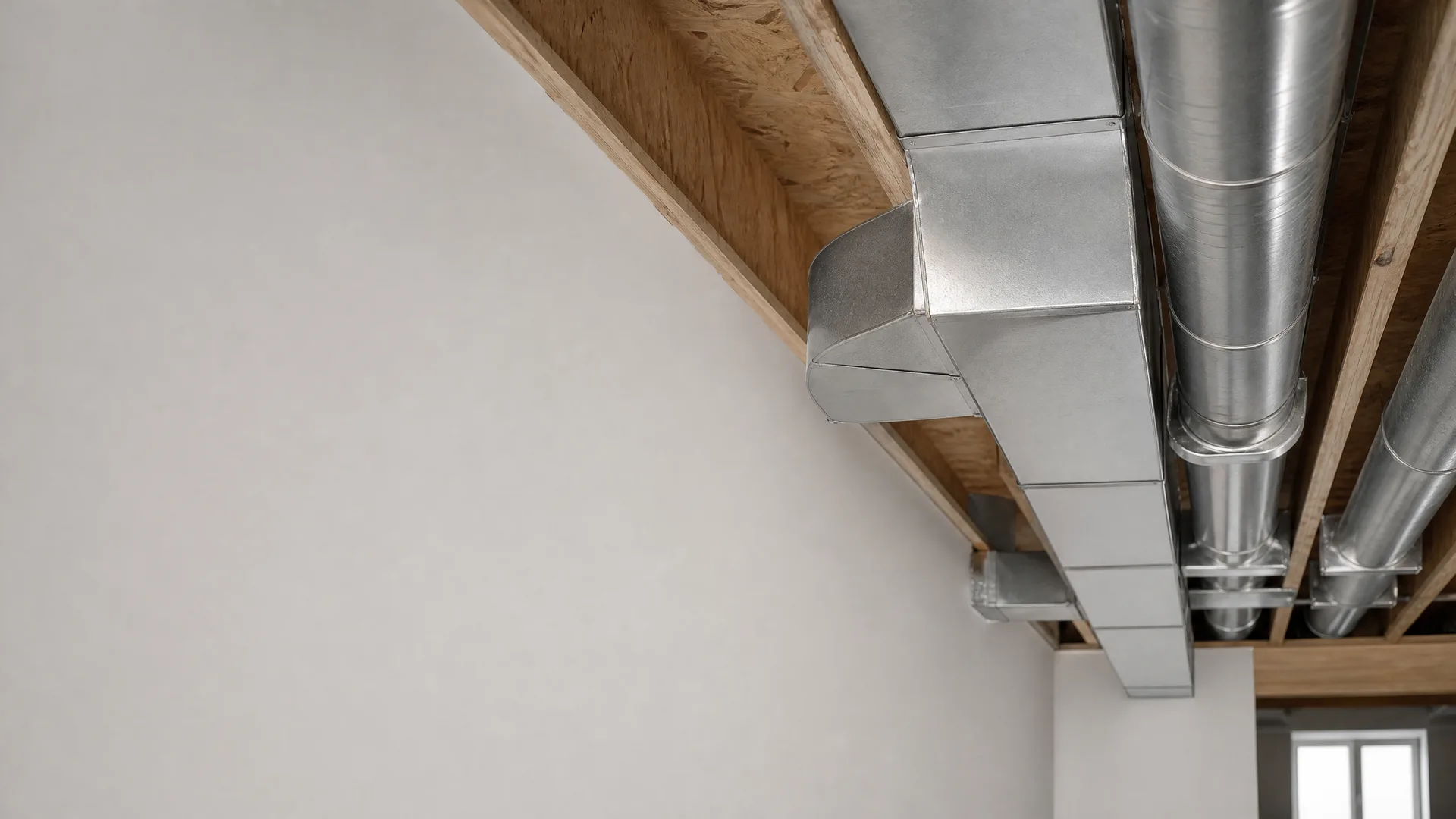
Same kind of run, but the duct surfaces inside are holding moisture they shouldn't. Every register tied to this line pushes that air into a room. The joists and wiring nearby sit right under it, in reach of whatever's growing on the metal.

The musty smell, the dust that keeps coming back, the coil that stays wet longer than it should. All of it points the same direction. Mold took hold somewhere in the duct system, and it will keep cycling through your house every time the AC runs until someone cleans it out. That's true in July and it's true in November, since Texas summers leave the ducts damp for months at a stretch.
Knowing the signs is one thing. Finding a contractor who cleans ducts, checking they're licensed, calling a few for quotes, and explaining the same smell and the same dust problem three or four times over is another. Once you send the form, that part is done. You're not the one searching anymore, and you're not the one sorting through quotes trying to guess who's worth the call.


Describe your ductwork job once, to one pro.