Heat Pump Repair in Pearland, TX
Homes here need heat from December through February and cooling from April through October. If your system quits, tell us what it's doing and a licensed contractor who covers Brazoria County will get in touch.
Tell us about the job
It takes about a minute.
Ten months of run time wears on a Pearland heat pump
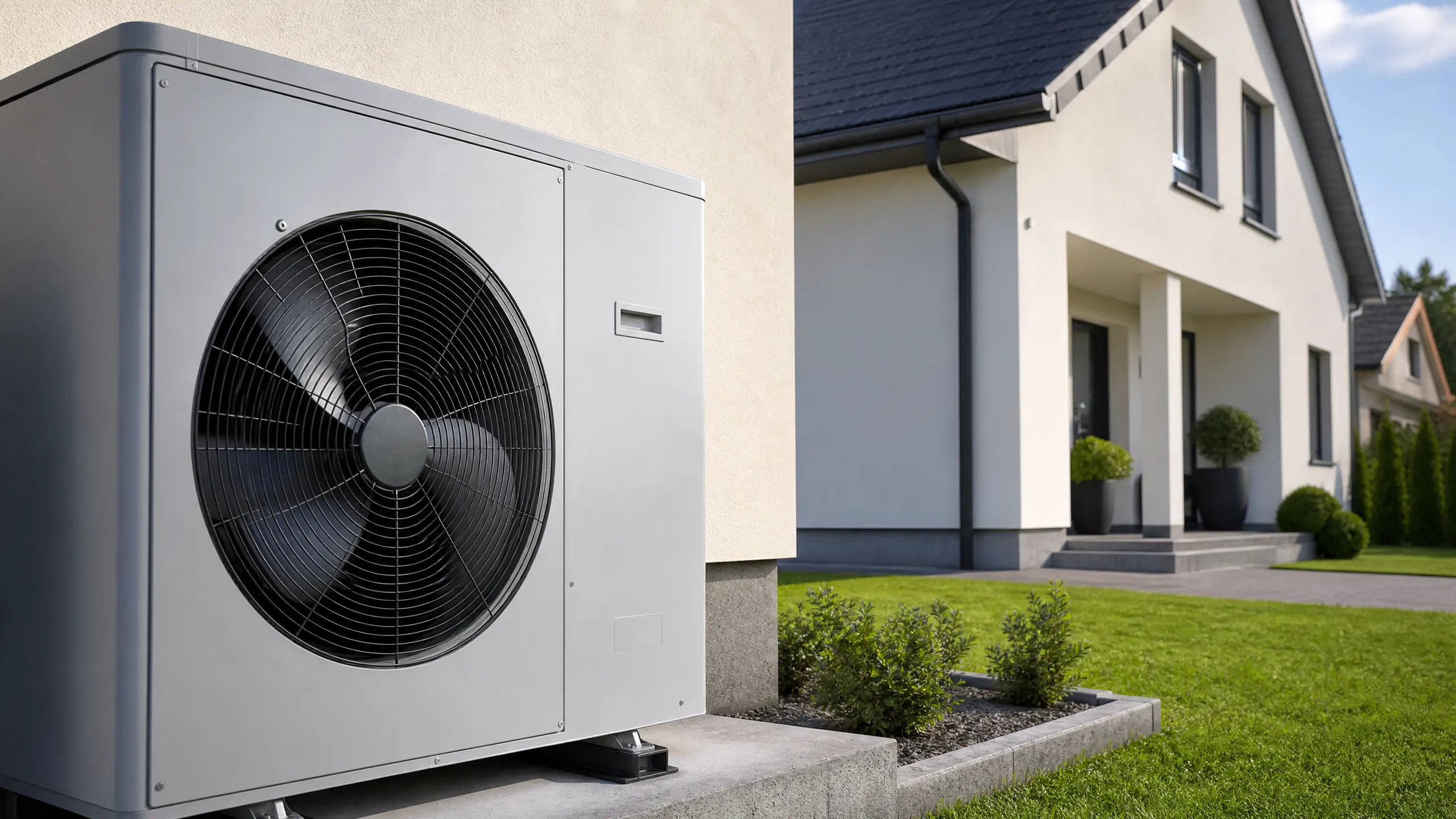
Your heat pump works nearly all year here. Cooling from April through October, then heat through December and February when nights average 47°F. That is ten months where the system is on, and the parts that cycle it, the contactor, the reversing valve, the compressor, log more hours than they would somewhere with a real off season.
Almost half the homes in Pearland heat with electricity, which means the heat pump is doing that job alone on the coldest nights, not just topping off a furnace. When it struggles in winter, you feel it fast. The area has also seen 63 damaging wind events over the past ten years. Wind and debris can knock the outdoor unit around or bend the fins on its coil, and either one shows up as a system that runs but does not keep up.
- 3 months
- December through February, your system heats
- 7 months
- April through October, it cools
- 47°F
- the average winter night it heats against
- 91°F
- the average summer afternoon it cools against
NOAA nClimDiv, 1991–2020 normals
Texas requires HVAC contractors to hold a state license.
The license sits with the contractor, not with the job. TDLR tests and records the person or business, so the credential you're checking is the contractor's, and it stays with them from one repair to the next rather than being issued fresh for your heat pump.
Heat pump repair usually means opening the refrigerant side of the system, and that work needs its own credential on top of the state license. Any technician handling refrigerant, anywhere in the country, has to hold EPA Section 608 certification. In Texas that federal requirement sits alongside the state license rather than replacing it.
Source: Texas Department of Licensing and Regulation
- Why is my heat pump blowing cold air?
- In cooling mode that's normal, but if you want warm air and you're getting cold, the system is probably still stuck in cooling or fan-only mode. Check the thermostat is set to heat and the temperature is set above room temperature. If that's right and the air still isn't warming up, the reversing valve may not be switching over, and that calls for a contractor to look at it. A heat pump that runs constantly and never warms the house is worth shutting off until someone checks it, since running it can ice the outdoor coil.
- Why is there ice on my heat pump?
- Some frost on the outdoor unit during a cold snap is normal, and the system should melt it off on its own a few times a day. Ice that stays and builds up means something is stopping that defrost cycle, or airflow across the coil is blocked. A dirty filter, a coil covered in dirt or leaves, or low refrigerant can all cause it. Don't chip the ice off yourself. Turn the system off and have a contractor find out why it's not clearing on its own.
- Why is my heat pump running but not cooling?
- If the outdoor unit and indoor fan are running but the air coming out isn't cold, start with the filter. A clogged filter cuts off airflow and can leave the system running without doing much cooling. Check that outdoor unit too. Leaves, grass clippings, or anything piled against it blocks the airflow it needs. If the filter is clean and the unit outside has room to breathe, the problem is more likely low refrigerant or a failing part inside the system, and that's a job for a contractor to diagnose. On a 91°F afternoon, a system that's losing the fight against the heat can go from struggling to not cooling at all pretty fast, so it's worth getting looked at soon.