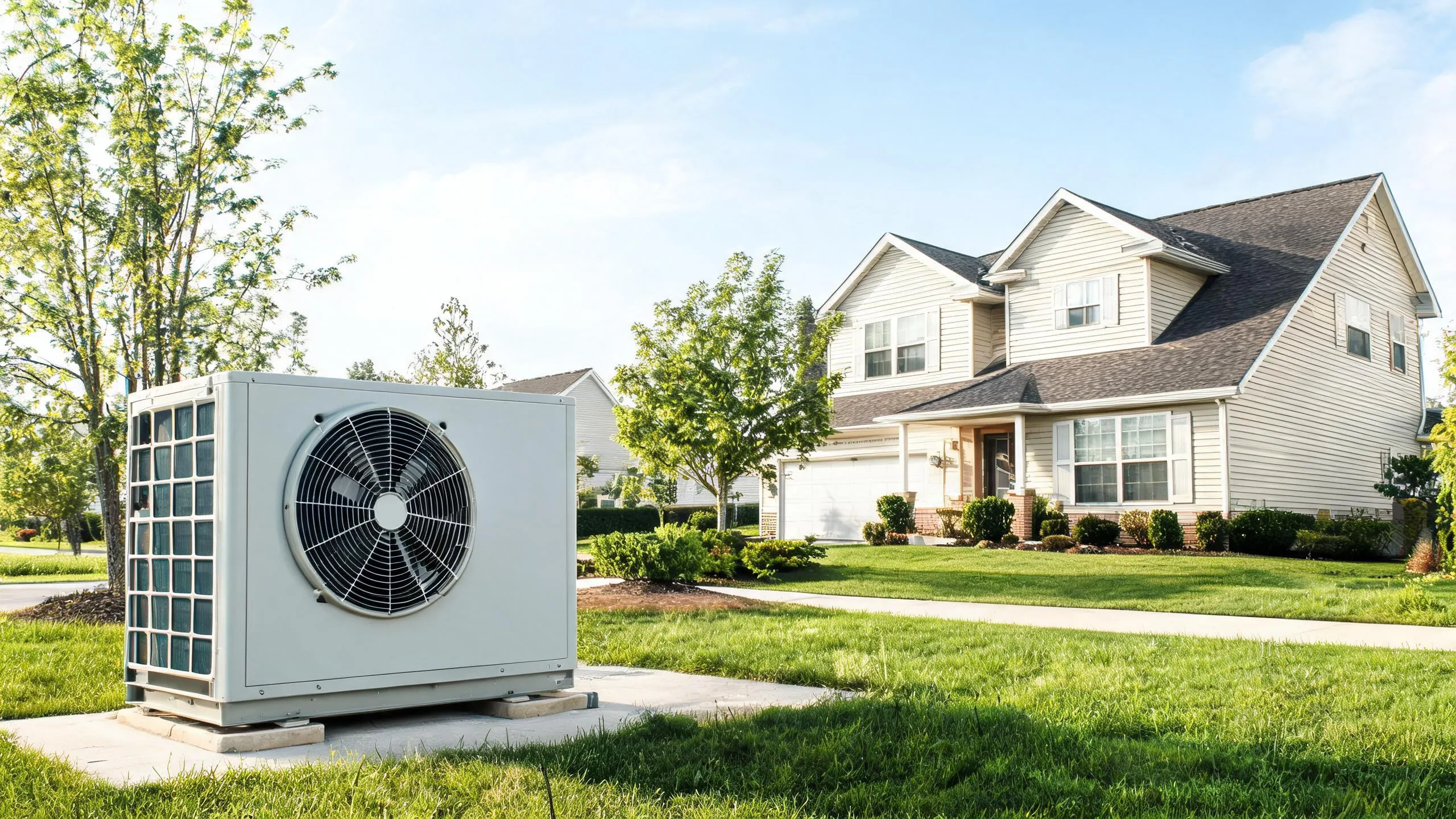
Heat Pump Repair in Beaumont, TX
Homes here need heat from November through March and cooling from April through October. If your system quits, tell us what it's doing and a licensed contractor who covers Jefferson County will get in touch.
Tell us about the job
It takes about a minute.
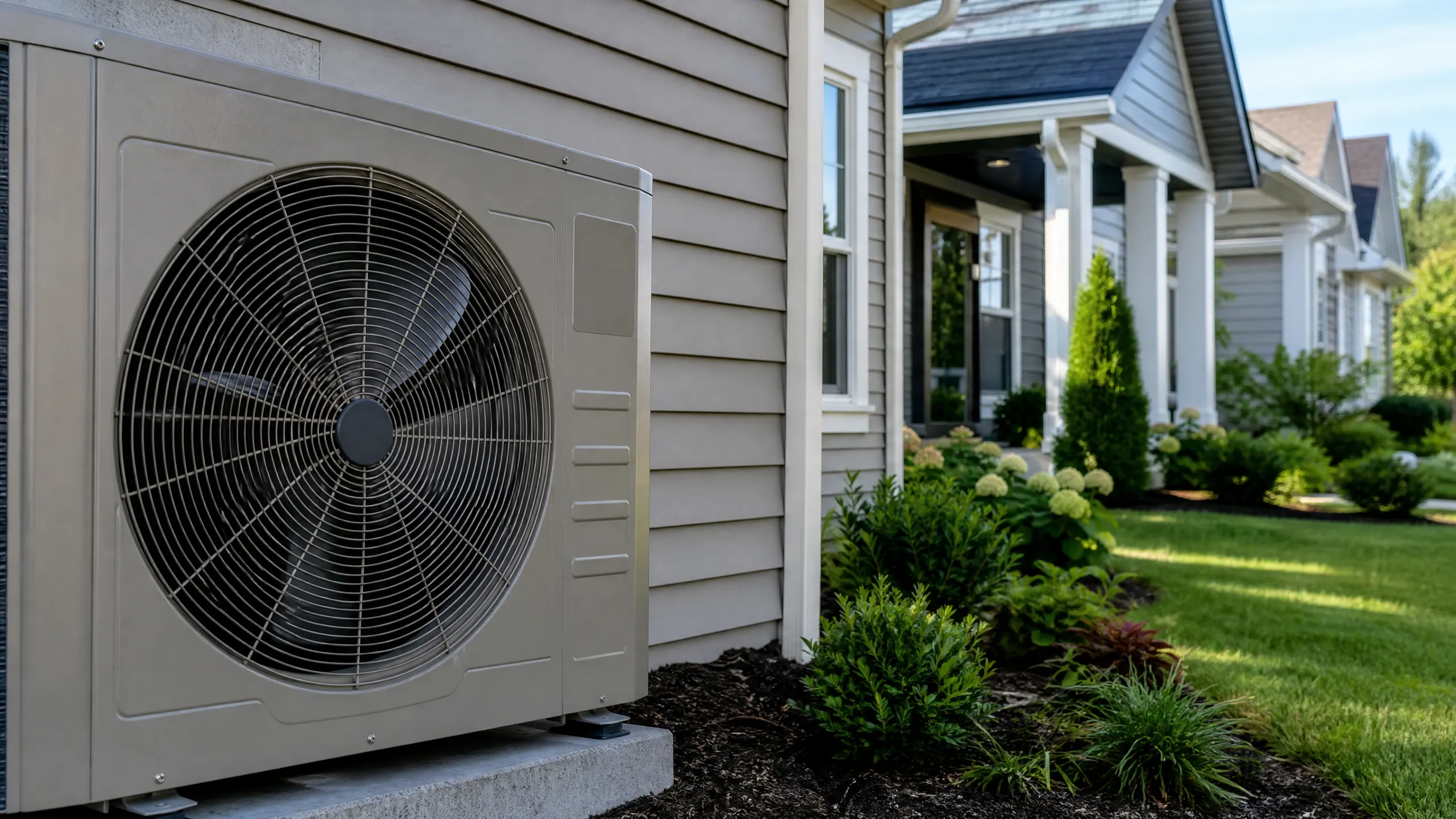
Your heat pump runs almost every day of the year in Beaumont
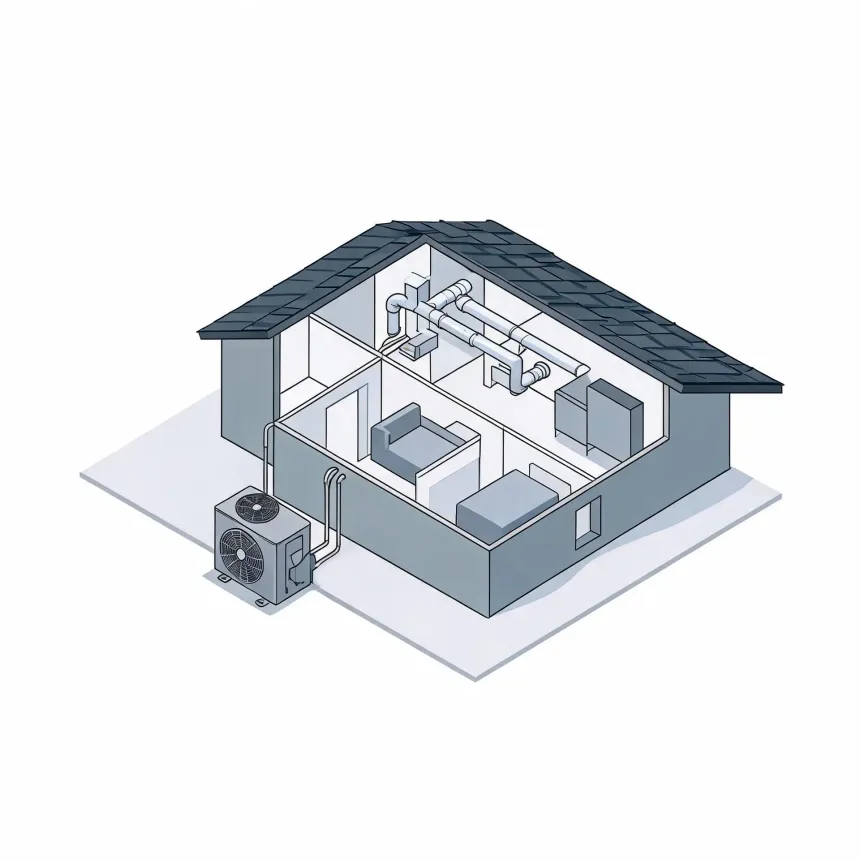
There's no real off season here. Winter nights averaging 46°F still call for heat, and summer afternoons near 91°F keep the compressor working hard the other seven months. That kind of year-round run time wears on the parts that switch the system between heating and cooling, especially the reversing valve, and on the compressor itself, which does not get much rest.
Most homes here heat with electricity, so when a storm knocks out power, the heat pump goes down with everything else. Jefferson County has logged 48 damaging wind events over the past ten years, and across Texas a third of households lost power for at least a day in 2024. When the power comes back on, a heat pump that won't start or won't switch modes often points to damage from that outage rather than normal wear.
- 5 months
- November through March, your system heats
- 7 months
- April through October, it cools
- 46°F
- the average winter night it heats against
- 91°F
- the average summer afternoon it cools against
NOAA nClimDiv, 1991–2020 normals
Texas requires HVAC contractors to hold a state license.
The state license means the contractor was tested by the Texas Department of Licensing and Regulation and is on record with them. It covers the contractor, not the job itself, so it does not mean a state inspector checks this particular repair. It means the person doing the work had to prove they know the trade before Texas let them take it on.
A heat pump repair usually means opening the refrigerant side of the system, and for that, the contractor also needs EPA Section 608 certification. That one comes from federal rule, not the state, and it applies to anyone touching refrigerant anywhere in the country. Between the two, Jefferson County homeowners have a state record on the contractor and a federal requirement on the specific work being done to their system.
Source: Texas Department of Licensing and Regulation
- Why is my heat pump blowing cold air?
- In heating mode, a heat pump moves warmth from the outside air, so the air coming out of your vents is normally cooler than furnace air, often just above body temperature. If it feels truly cold with no warmth at all, the system may be stuck in a defrost cycle, low on refrigerant, or the reversing valve may not be switching over correctly. Check that your thermostat is set to heat and not fan only. If the air stays cold for more than a few minutes, a contractor should check the refrigerant charge and the reversing valve.
- Why is there ice on my heat pump?
- A thin layer of frost on the outdoor coil during winter is normal. Your heat pump runs a defrost cycle every so often to melt it off, and with lows averaging 46°F here from December through February, that cycle should keep the coil mostly clear. Heavy ice that builds up and does not melt points to a real problem. A failed defrost sensor, a stuck reversing valve, low refrigerant, or a fan that has stopped turning can all cause it. If the ice keeps growing instead of clearing on its own, shut the unit off and have a contractor check it before running it further.
- Why is my heat pump running but not cooling?
- If the outdoor unit and indoor blower are both running but the air is not cold, the most common causes are a dirty filter restricting airflow, a frozen or dirty outdoor coil, or low refrigerant from a leak. With summer afternoons here averaging 91°F, a system that is low on refrigerant or short on airflow will struggle to keep up and may run long stretches without cooling the house down. Check the filter first, since a clogged one is the easiest thing to rule out. If the filter is clean and the system still is not cooling, a contractor will need to check refrigerant levels and the outdoor coil.