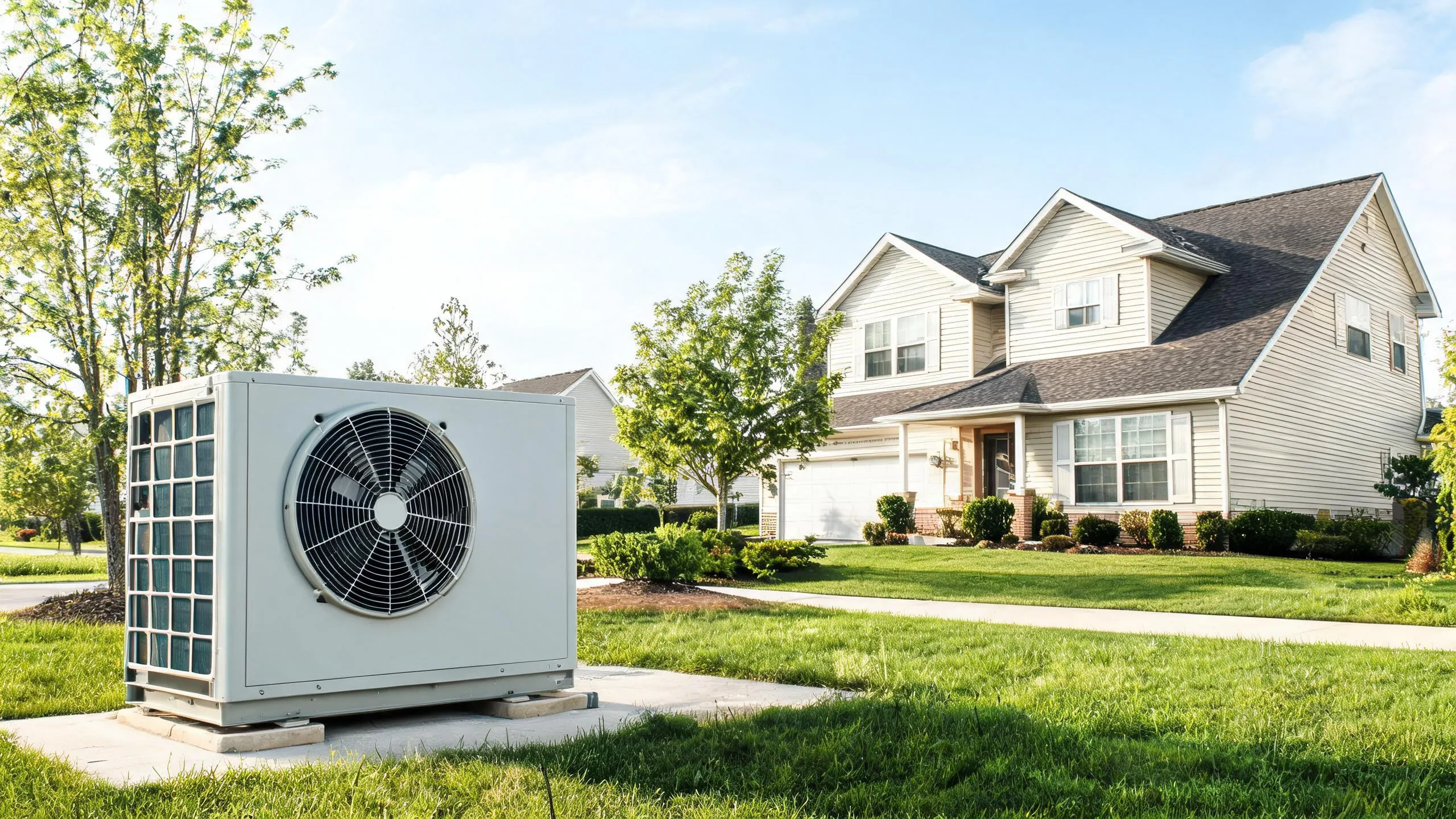
Heat Pump Installation in Beaumont, TX
A new system here will heat from November through March and cool from April through October every year. Tell us about the house, and a licensed contractor who covers Jefferson County will get in touch.
Tell us about the job
It takes about a minute.
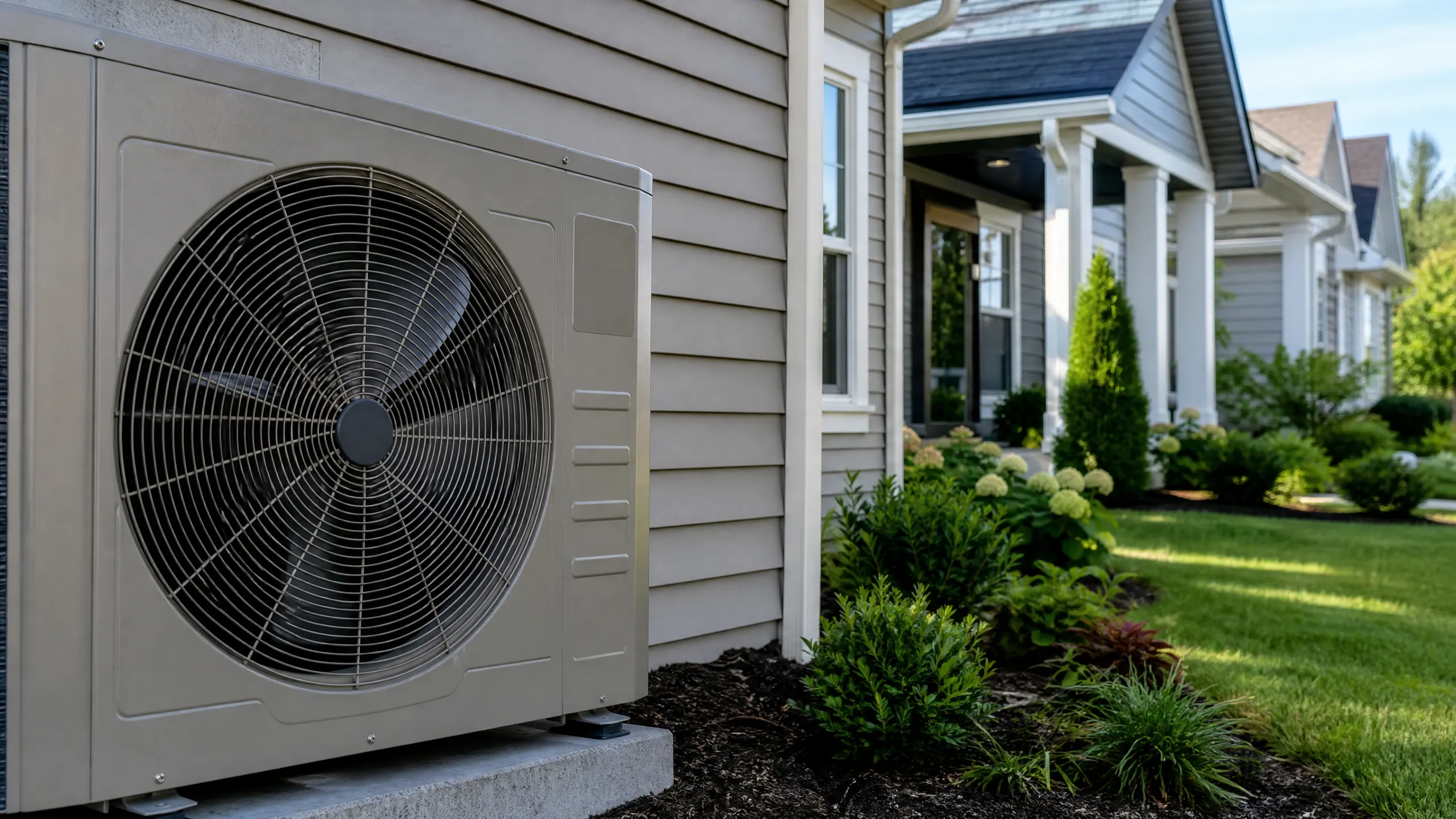
A heat pump that works almost year round in Beaumont
Beaumont doesn't get hard winters. Nights average 46°F from December through February, and a heat pump handles that without strain. Summer is the bigger job, with afternoons averaging 91°F for months at a stretch. Between the two, a heat pump here runs nearly twelve months a year, cooling from April through October and heating November through March.
Any split-system heat pump installed new has to clear 14.3 SEER2 for cooling and 7.5 HSPF2 for heating, so that baseline is set before you even compare units. What matters more here is the power behind it. Most homes in this area heat with electricity, and Texas households lost power for 24 hours or more at a high rate in 2024. The area has also logged 48 damaging wind events over the past ten years. A heat pump installation is worth pairing with a plan for what happens when the grid goes down, since the unit depends on electricity to run at all.
- 5 months
- November through March, your system heats
- 7 months
- April through October, it cools
- 46°F
- the average winter night it heats against
- 91°F
- the average summer afternoon it cools against
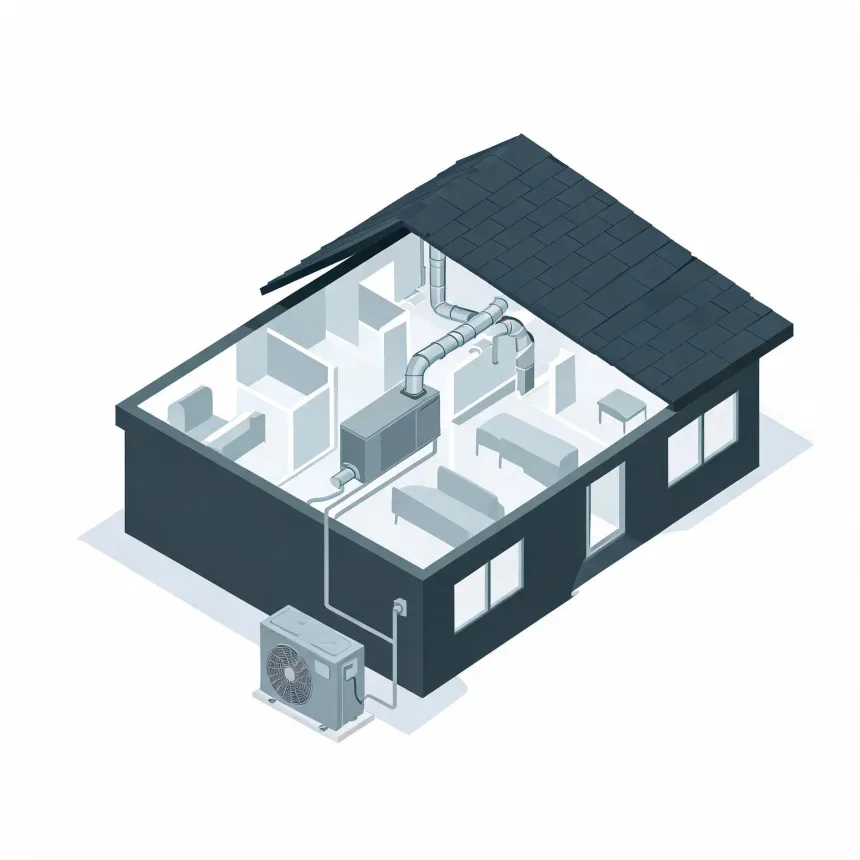
NOAA nClimDiv, 1991–2020 normals
Texas requires HVAC contractors to hold a state license.
The license is held by the contractor, not issued job by job, so it covers the business doing the work rather than this specific installation. TDLR keeps the record of who holds one, which means a contractor's standing is something the state has already checked, not just a claim they make.
For a heat pump installation in Jefferson County, that license is what backs the person doing the work, but the local building office still has a role. Most cities and counties require a permit for this kind of job and an inspection once it's done, and that inspection is what checks the installation itself, separate from whether the contractor is licensed to do it.
Source: Texas Department of Licensing and Regulation
- Is a heat pump better than a furnace?
- For Beaumont, a heat pump is usually the better fit. Winter nights here average 46°F, mild enough that a heat pump can carry the heating load without strain, and the same unit handles the seven months of cooling this area needs too. A furnace only heats. You would still need a separate air conditioner alongside it. A contractor can look at your ductwork and your house to confirm what makes sense for your situation.
- What's the difference between a heat pump and an air conditioner?
- An air conditioner only moves heat out of your home. A heat pump does that same job in summer, but it can also run in reverse and move heat into your home in winter. The refrigerant cycle inside is similar. What a heat pump has that an air conditioner doesn't is a reversing valve, and that's what lets it heat as well as cool. In a place like Beaumont, where cooling runs April through October and the heating months are short and mild, that reversing ability means one system covers the whole year instead of two.
- Does a heat pump work in cold weather?
- Yes, and in Beaumont it works well. Heat pumps lose some capacity as the outdoor temperature drops, but winter nights here average 46°F, well within the range a heat pump handles without trouble. It's only in much colder climates, with nights well below freezing for long stretches, that a heat pump needs backup heat to keep up. That's not the case here.