Heat Pump Repair in Austin, TX
Homes here need heat from November through March and cooling from April through October. If your system quits, tell us what it's doing and a licensed contractor who covers Travis County will get in touch.
Tell us about the job
It takes about a minute.
Your heat pump works almost every month here
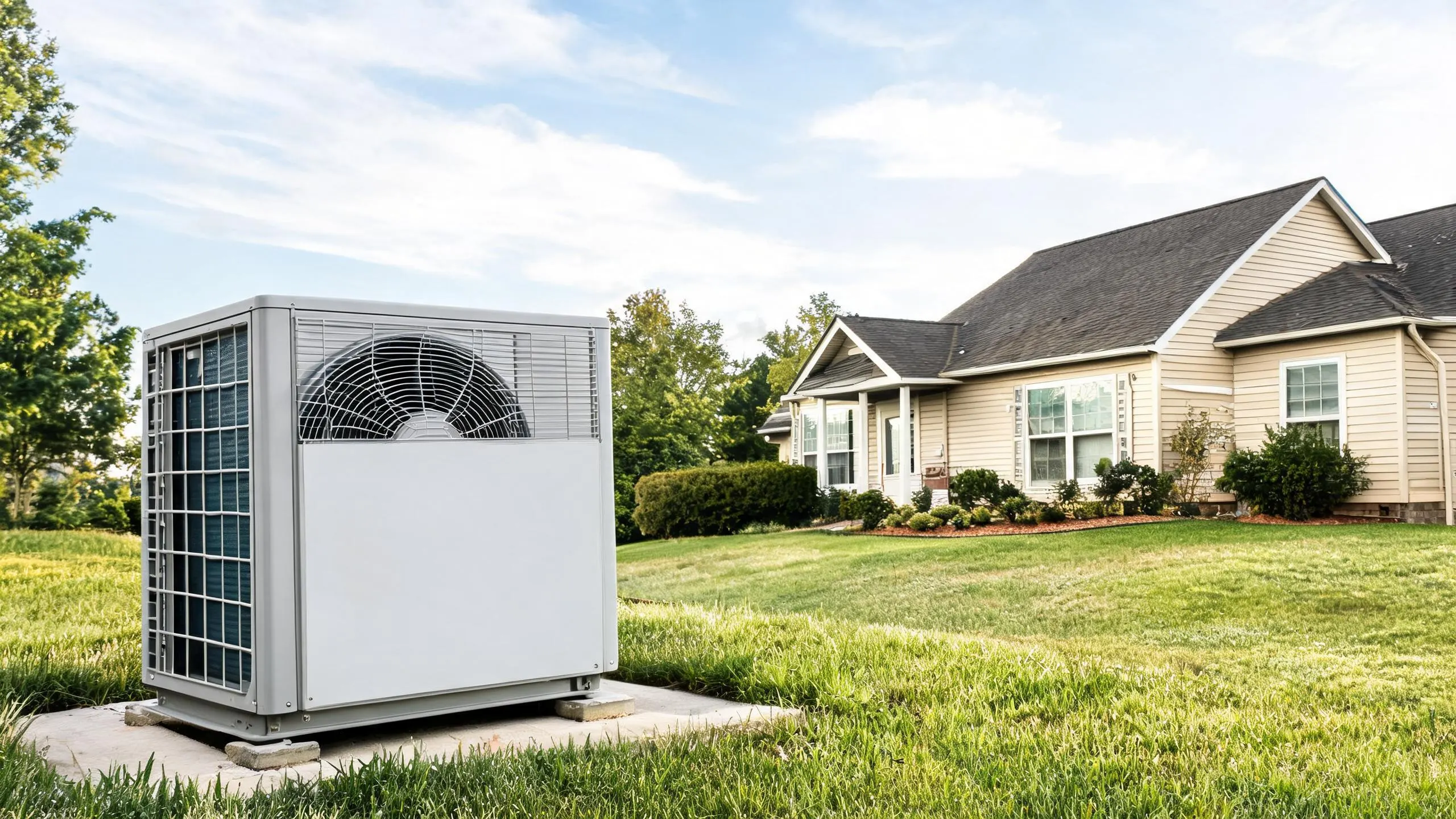
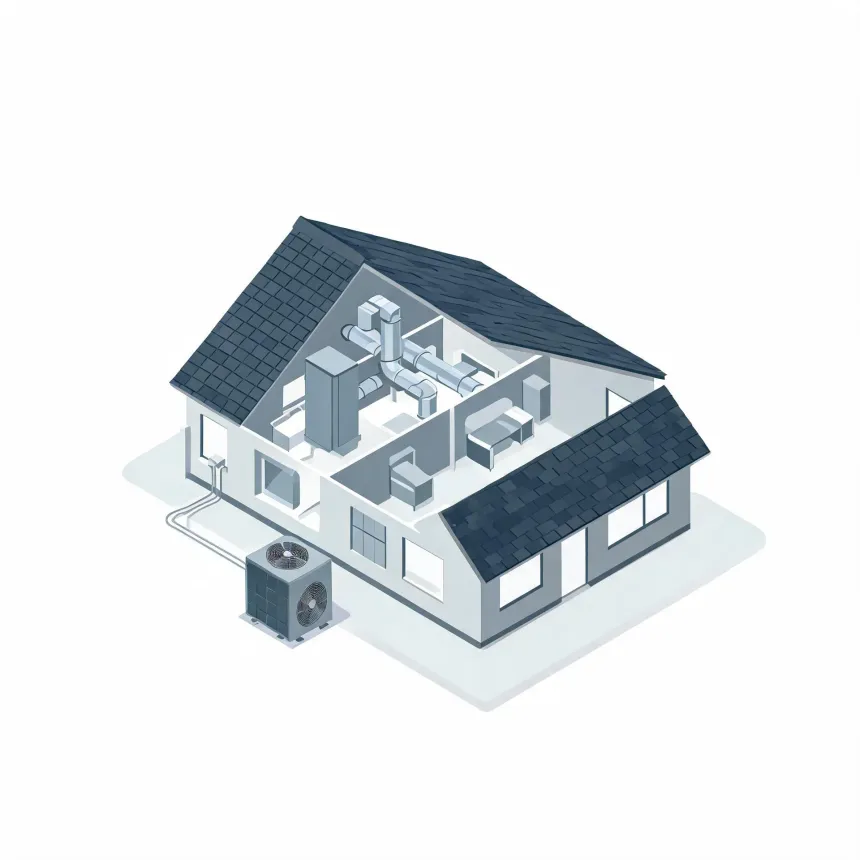
In Travis County the heat pump cools the house from April through October, then switches over to heat it from November through March. That is 12 months of work a year, with barely a break between seasons. The reversing valve is what switches it between the two jobs, and a heat pump that only cools or only heats often points right at that valve.
Summer afternoons averaging 95°F push the compressor hard for months at a stretch. Winter nights averaging 40°F are not extreme, but the heat pump still has to pull heat from cold outside air, and the outdoor unit's coil and fan motor are what do that work. The last ten years brought nine winter storms and 103 damaging wind events to the area, and outages like that can trip a heat pump's control board or leave it needing a manual restart. With 56.8% of homes here heating with electricity, a heat pump that stops in a cold snap often means no other heat in the house.
- 5 months
- November through March, your system heats
- 7 months
- April through October, it cools
- 40°F
- the average winter night it heats against
- 95°F
- the average summer afternoon it cools against
NOAA nClimDiv, 1991–2020 normals
Texas requires HVAC contractors to hold a state license.
The license is issued to the contractor, not to the job, so it is the business and the people running it that Texas has tested and recorded, not this specific repair. TDLR keeps that record and it is what stands behind the person coming to your house.
A heat pump repair usually means opening the refrigerant side of the system, and federal law requires anyone who does that, in every state, to hold EPA Section 608 certification. That certification is separate from the Texas license. The state license tells you TDLR has tested and recorded this contractor. The federal certification tells you the technician is legally allowed to handle the refrigerant your heat pump runs on.
Source: Texas Department of Licensing and Regulation
- Why is my heat pump blowing cold air?
- In heating mode, a heat pump moves heat from the outside air into your home, so the air from the vents feels cool against your skin even when the system is working right. It's warmer than the air around it, just not as warm as a gas furnace would put out. If the air feels truly cold, with no warmth at all, the system may have switched to emergency heat, lost refrigerant, or the outdoor unit may have iced over. A contractor can check the refrigerant charge and the reversing valve to find out which it is.
- Why is there ice on my heat pump?
- Some frost on the outdoor unit on cold mornings is normal. The system defrosts itself on a timer, melting the frost off and sending out a puff of steam while it does. On winter nights here in the 40s, that defrost cycle runs more often than it would somewhere colder. If the ice is thick, covers the whole coil, or never seems to clear, airflow is probably blocked. Check the outdoor coil for dirt or debris and make sure the fan is spinning. If the fan isn't turning or the coil stays iced over for hours, the defrost control or a low refrigerant charge is likely the cause, and that needs a licensed contractor.
- Why is my heat pump running but not cooling?
- If the unit is running but the air isn't cold, start with the outdoor unit. It needs clear airflow to release heat, so check that leaves, grass clippings or dirt aren't packed against the coil. Next check the filter. A clogged filter starves the indoor coil of airflow, and the coil can ice over, which stops cooling until it thaws. On afternoons here near 95 degrees, a system that's low on refrigerant or has a failing compressor will struggle to keep up even with clear airflow, and that repair needs a licensed contractor to diagnose.