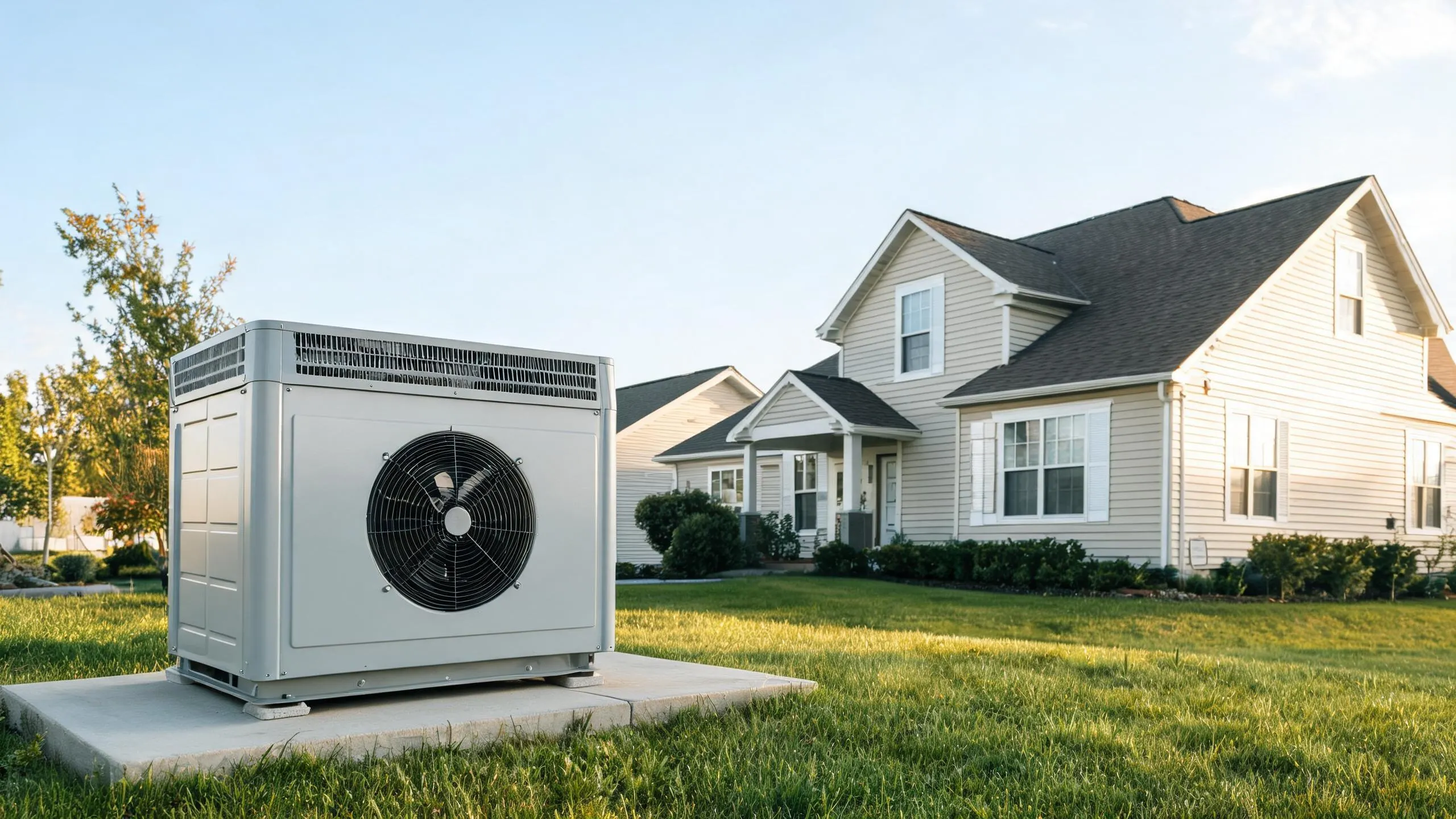
Heat Pump Installation in McAllen, TX
A new system here will heat from December through January and cool from February through November every year. Tell us about the house, and a licensed contractor who covers Hidalgo County will get in touch.
Tell us about the job
It takes about a minute.
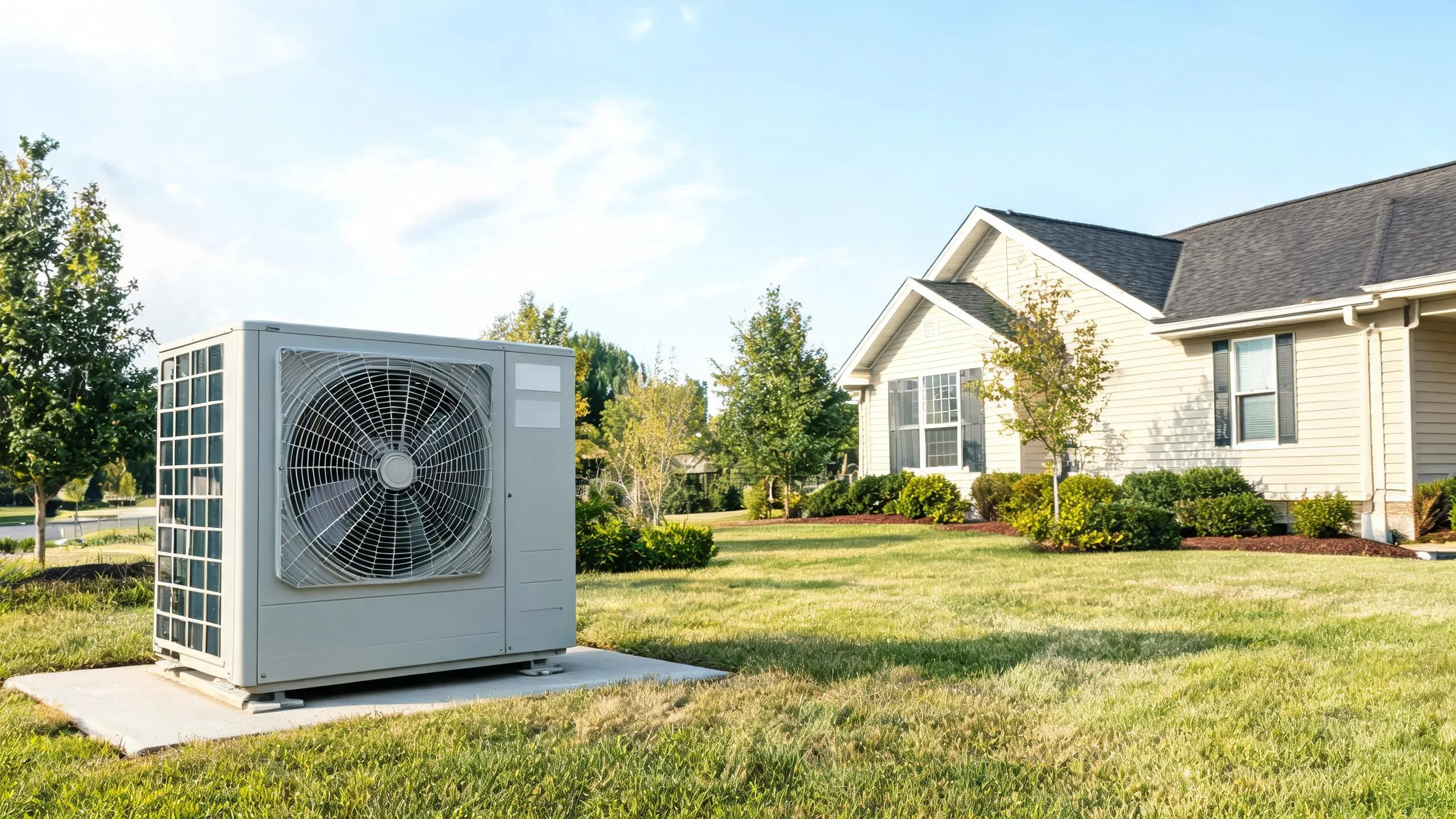
A McAllen heat pump works almost every day of the year
Ten months of cooling and two months of mild heat means your heat pump runs nearly nonstop, just switching which job it's doing. At 97°F on a summer afternoon, it needs to move heat out of the house for hours at a stretch. Those winter nights only drop to 51°F on average, so the heating side rarely has to work hard, but the compressor doesn't get much of a break either way.
Any split-system heat pump installed new has to clear 14.3 SEER2 for cooling and 7.5 HSPF2 for heating, the federal minimum since 2023. Given how much cooling this unit will do here, that efficiency rating matters more than the heating side ever will.
- 2 months
- December through January, your system heats
- 10 months
- February through November, it cools
- 51°F
- the average winter night it heats against
- 97°F
- the average summer afternoon it cools against
NOAA nClimDiv, 1991–2020 normals
Texas requires HVAC contractors to hold a state license.
That license belongs to the contractor, not the job. TDLR tested the business and keeps a record of it, but no separate certificate gets issued for this particular heat pump install.
What covers the install itself is the permit. In most cities and counties, putting in a heat pump needs a permit from the local building office, and an inspection once the work is done. That inspection is what checks the actual install in your home, the refrigerant lines, the wiring, the way the unit is set.
Source: Texas Department of Licensing and Regulation
- Is a heat pump better than a furnace?
- For McAllen, yes, because winters here are short and mild. Heat is only needed December and January, with nights averaging around 51°F, and a heat pump handles that without trouble. The same unit also cools your home the other ten months of the year, which a furnace can't do. A furnace only makes sense paired with separate air conditioning, and here that's usually more equipment than the climate calls for.
- What's the difference between a heat pump and an air conditioner?
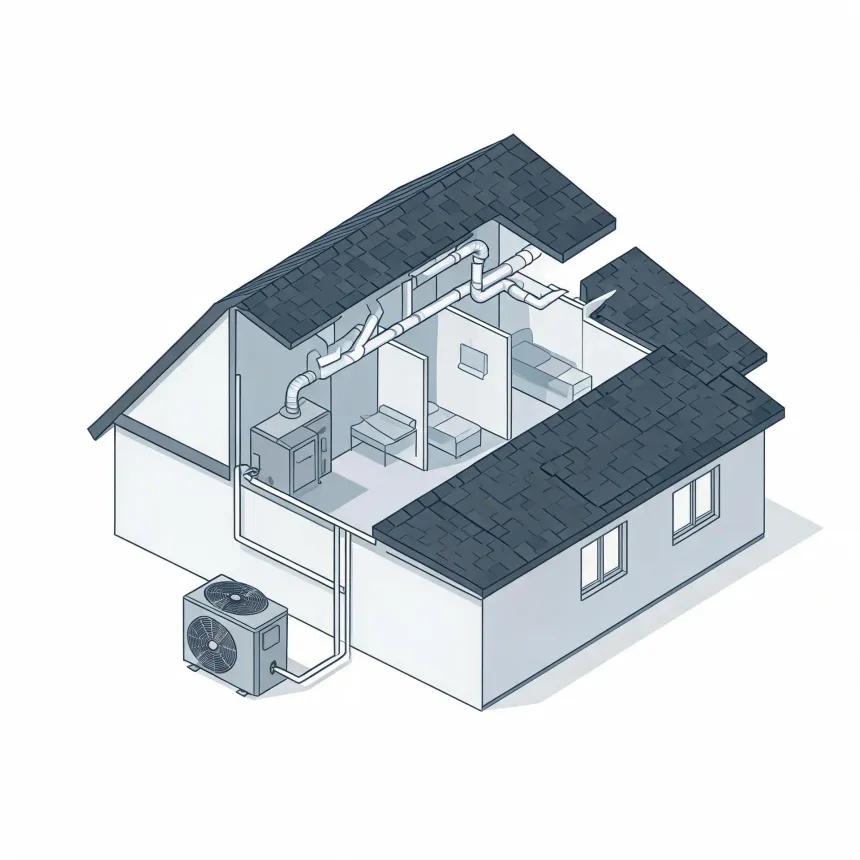
- An air conditioner only cools. A heat pump cools the same way in summer, but it can also run in reverse to heat your home in winter. Inside, the equipment looks almost the same, the difference is a reversing valve that lets a heat pump pull heat from the outside air and move it inside instead of just sending heat outdoors.
- Does a heat pump work in cold weather?
- Yes, and in McAllen it barely gets tested. Winter nights here average around 51°F, which is well within the range a heat pump handles easily. Heat pumps lose efficiency in much colder climates, but that's not a concern for a place that only needs heat two months a year.