
AC Maintenance in McAllen, TX
Air conditioners here run from February through November, so January is the time for a tune-up. Tell us about your system, and a licensed contractor who covers Hidalgo County will get in touch.
Tell us about the job
It takes about a minute.

Ten months of cooling a year wears on a system fast
Your air conditioner runs from February through November here, ten months a year. On summer afternoons averaging 97°F, it is not just cycling on and off. It is running long stretches to keep the house cool, and that runtime adds hours to the compressor and fan motor a system in a milder place would never see.
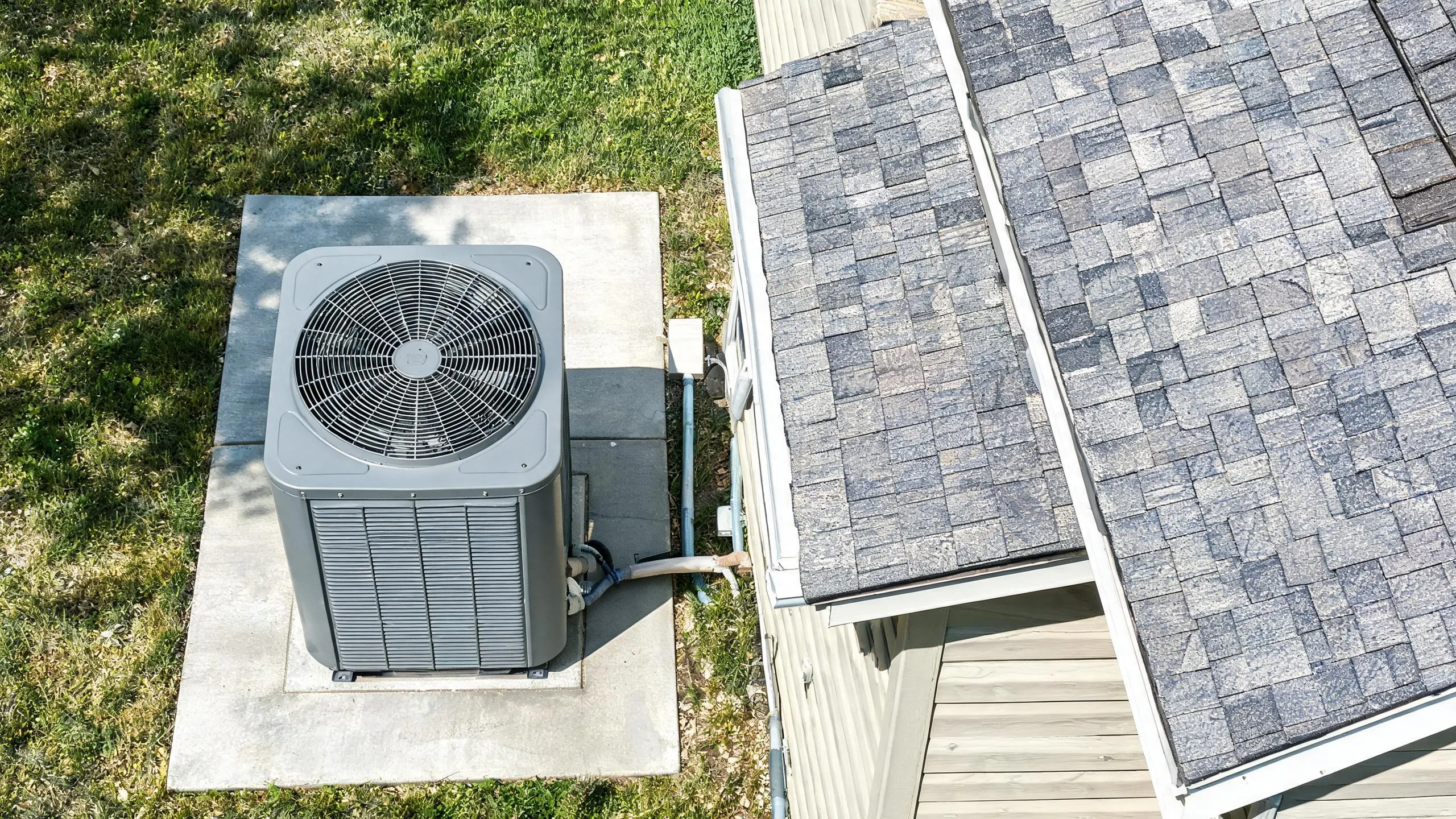
A tune-up checks the refrigerant charge, the condenser coil, and the electrical connections that work loose from all that vibration and heat. It also catches what the storms here leave behind. Hidalgo County has seen 50 hail events and 90 damaging wind events over the past ten years, and hail up to 2.75 inches can bend the fins on an outdoor unit enough to choke its airflow before anyone notices.
- 10 months
- February through November, your air conditioner is on duty
- 97°F
- the average summer afternoon it cools against
- 50 hail events
- in ten years, and hail bends the fins on outdoor coils
- 90 wind events
- in ten years, and wind drives debris into outdoor units
NOAA nClimDiv, 1991–2020 normals
Book your AC tune-up in January, before homes here start needing cooling in February.
- Jan
- Feb
- Mar
- Apr
- May
- Jun
- Jul
- Aug
- Sep
- Oct
- Nov
- Dec
A tune-up checks the refrigerant charge, cleans the coils, tests the capacitor and tightens the electrical connections.
Texas requires HVAC contractors to hold a state license.
The license is held by the contractor, not issued job by job, so the same license that qualifies them to install a system covers a maintenance visit. TDLR keeps the record of who holds it, and that record does not reset each time they show up at a different house.
For a maintenance visit, the part of the job that needs its own credential is anything involving refrigerant. Checking charge, adding refrigerant, or working into the sealed side of your air conditioner requires the technician to hold EPA Section 608 certification, a federal rule that applies no matter what state you're in. A Texas license and a 608 card cover two different things, and a maintenance visit on your AC can call for both.
Source: Texas Department of Licensing and Regulation
- What does AC maintenance include?
- A technician checks refrigerant charge, cleans the condenser coil, and tests the capacitor and contactor. They also check the blower and coil on the indoor side, change or clean the filter, and check the drain line for algae or blockage. On a system running from February through November like yours, a clogged drain line or a dirty coil can cost you cooling on the days you need it most.
- How often does an air conditioner need maintenance?
- Once a year, ideally before the heat sets in. Homes here run the AC 10 months out of the year, so there is barely a break in the system's workload, and a spring checkup catches a weak capacitor or low refrigerant before a 97°F afternoon turns it into a breakdown. If your system is older or gets heavy use, a contractor can tell you whether it needs a second visit later in the year.
- Is AC maintenance worth it?
- Yes. A dirty coil or a failing capacitor makes the system work harder and cool less, and both show up in a routine check before they cause a breakdown. With summer afternoons here averaging 97°F, a system that is not maintained is more likely to fail on the day you need it most. It also gives you a chance to catch storm damage early, since hail and wind here have damaged outdoor units in past storms.