2.73 people per household
More loads through a blocked vent each week, and less time before lint builds up enough to matter.
 Skip calling around
Describe your dryer vent job once, to one pro.
You noticed it because the dryer isn't drying like it used to, or because you heard something moving outside the vent hood. Birds build fast, and a dryer vent is an easy spot for them. It's warm air blowing out, it's sheltered, and the hood flap gives them something to push past. Once a nest is in there, lint has nowhere to go and neither does the moisture from every load.
This time of year in Tarrant County, with summers running long and muggy, a blocked vent means your dryer works harder and runs longer to get clothes dry. It also means the hot, damp air it's supposed to push outside is backing up somewhere it shouldn't be.
Clearing a nest out of a vent that runs through your attic or wall isn't a job you want to guess at. You need to know how the line runs, where it's blocked, and how to get the nest and the lint out without damaging the duct or leaving material behind that catches fire the next time the dryer runs.
Finding someone for this usually means a search, then a few calls, explaining what you're hearing and seeing to each one, then waiting to see who calls back with a price. This page skips that. You tell it once what's going on, and it goes to a contractor who works on vents like yours around Fort Worth all the time, someone who's pulled nests out of hoods before and knows what a blocked line does to a dryer over a Texas summer. One contractor, not a handful of strangers competing for the job. You won't be fielding calls from five different companies by the end of the day.
What happens next is below. The button takes it from here.
A bird builds a nest in a dryer vent because the vent hood looks like any other ledge a bird would use, and the warm air coming out of it makes the spot even more appealing during Fort Worth's milder months. Once the nesting material packs into the duct, your dryer can't push air out the way it should. Clothes take longer to dry, the dryer runs hotter, and the lint that would normally blow outside starts building up behind the blockage instead. That combination of trapped heat and packed lint is a fire risk, not just an inconvenience. Birds often return to the same spot to rebuild, so even if you clear it once, the vent hood needs a way to keep them from coming back. This isn't something to clear with a shop vac and call done. The duct has to be checked its full length, because nesting material can sit well past what you can reach or see from outside.


The vent hood on a dryer looks like a ledge to a bird, and the warm air coming out of it in Fort Worth's milder months makes it feel like a good place to raise a brood. Most dryer ducts run four inches round, which happens to match the kind of cavity sparrows and starlings build in outdoors, so they don't see it as anything unusual. Once the nest is in place, the exterior flap that should keep the vent sealed between loads stops doing its job, pried open by the same twigs and grass packed into the duct. That blockage backs lint up into the dryer itself instead of letting it vent outside, and lint catches fire easily when it's sitting that close to the heating element. The dryer also has to work harder to push air past the clog, which means the element runs longer on every load than it should. Clearing the nest out helps, but the vent hood that attracted a bird once will likely attract another unless the opening itself changes.




The pro who gets in touch is licensed in Texas and works in Tarrant County.
Skip searching for someone who cleans dryer vents in Tarrant County.
Sending the form costs nothing.
2.73 people per household on average
Tarrant County households run 2.73 people on average, and that's more loads through the same blocked vent every week.
Half the homes here were built by 1990
Half the homes here were built in 1990 or earlier, so a lot of vent runs have had three decades of lint buildup before a bird ever moved in.
Power here costs 16.84 cents per kilowatt-hour
Power here runs 16.84 cents per kilowatt-hour, and a blocked vent makes the dryer run longer to finish the same load.
ACS 2020-2024 · EIA-861 2025
You can pull the hood off and clear what you can reach by hand, and if the nest is sitting right at the opening, that might solve it. But a dryer vent often runs several feet before it reaches outside, with at least one turn, and nesting material packed past that bend is hard to reach from the hood end. Pushing a shop vac hose in or shaking the duct can drive the nest further in rather than out. If birds built there once, the spot still looks good to the next ones unless the hood or the opening changes, so clearing it without addressing why they picked that vent in the first place often means doing this again next spring.
A local contractor who works on dryer vents brings a brush and rod system built to run the full length of the duct, not just the first foot or two, and can tell from the airflow afterward whether the line is actually clear or just looks it from the outside. They've seen which vent hoods in Fort Worth homes keep birds out and which ones don't, because it's the same problem on a lot of the same houses. One call gets the vent checked end to end and the opening fixed so it's not an easy ledge anymore, instead of you guessing at how far back the blockage goes or whether this spring's nest was the only one back there.
More loads through a blocked vent each week, and less time before lint builds up enough to matter.
Half of Tarrant County's homes are this old or older, and older vent runs are more likely to use long metal duct that gives birds more room to nest.
At 2.73 people, most houses in the county are running a load of laundry most days, sometimes more than one. A blocked vent doesn't get a break to catch up. Every dry cycle is pushing air against whatever the birds packed in there.
ACS 2020-2024

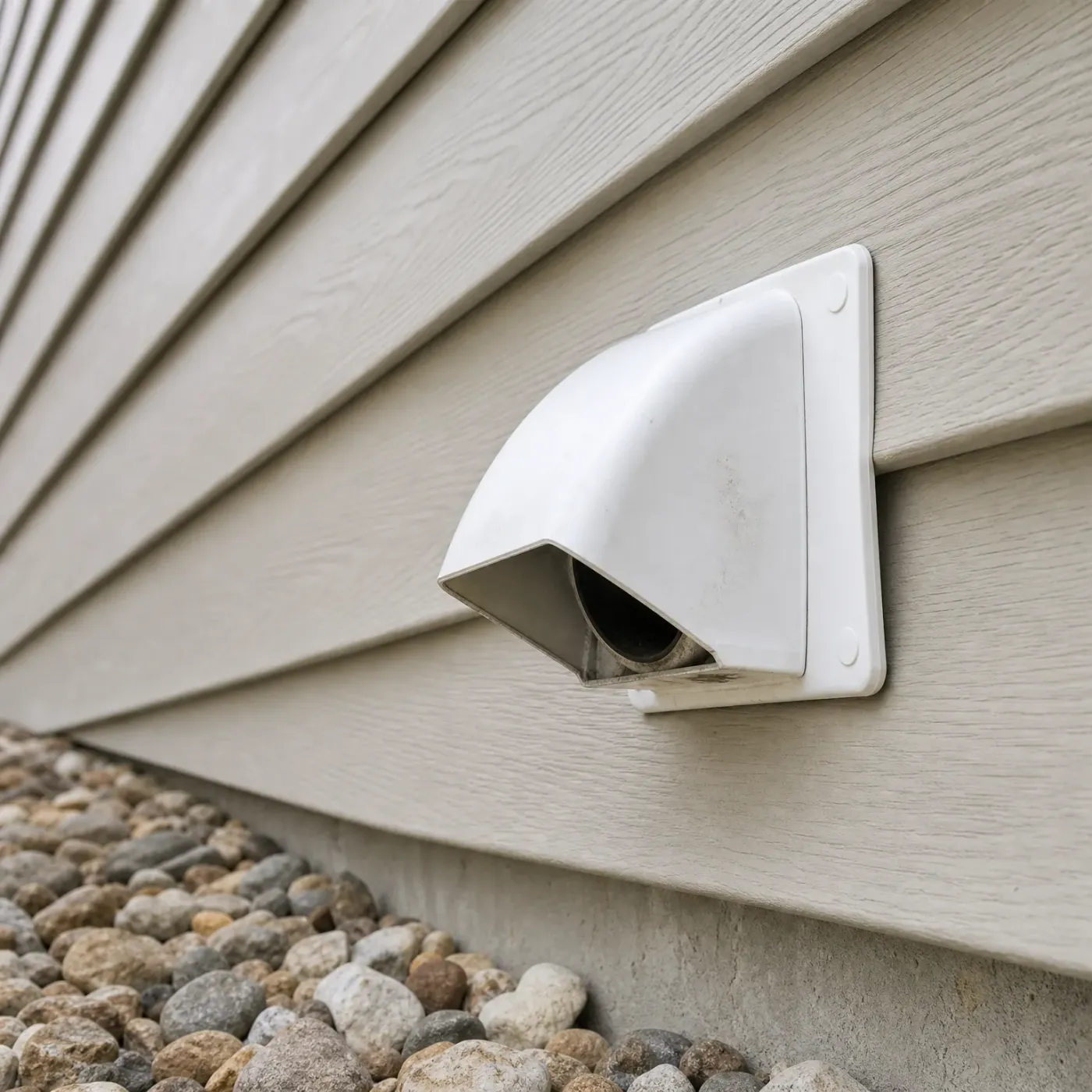
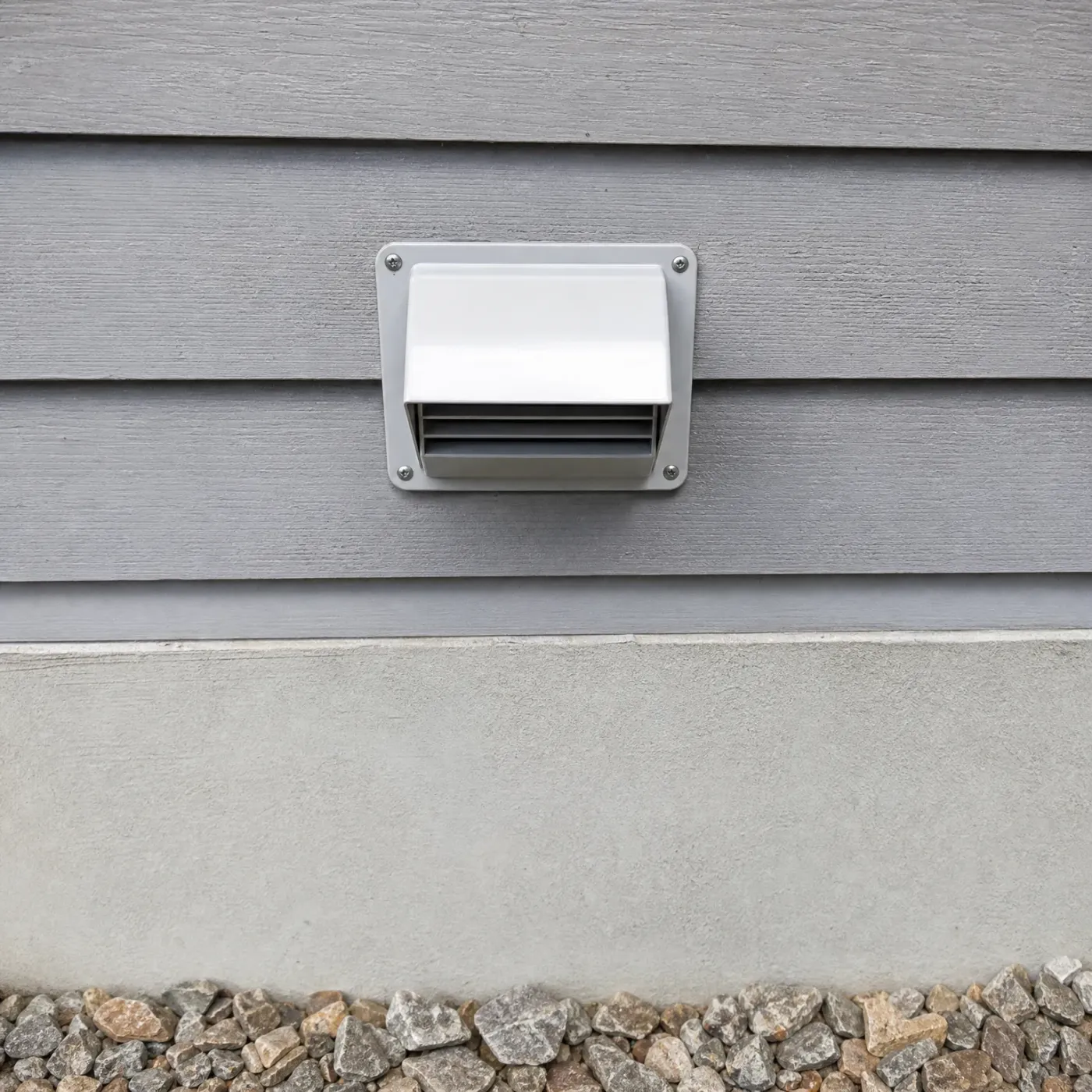
This is what a clear vent looks like. The flap opens when the dryer runs and closes when it stops, and the screen behind it keeps birds from getting past the louver. Air moves straight out, and the dryer isn't working against anything packed inside.

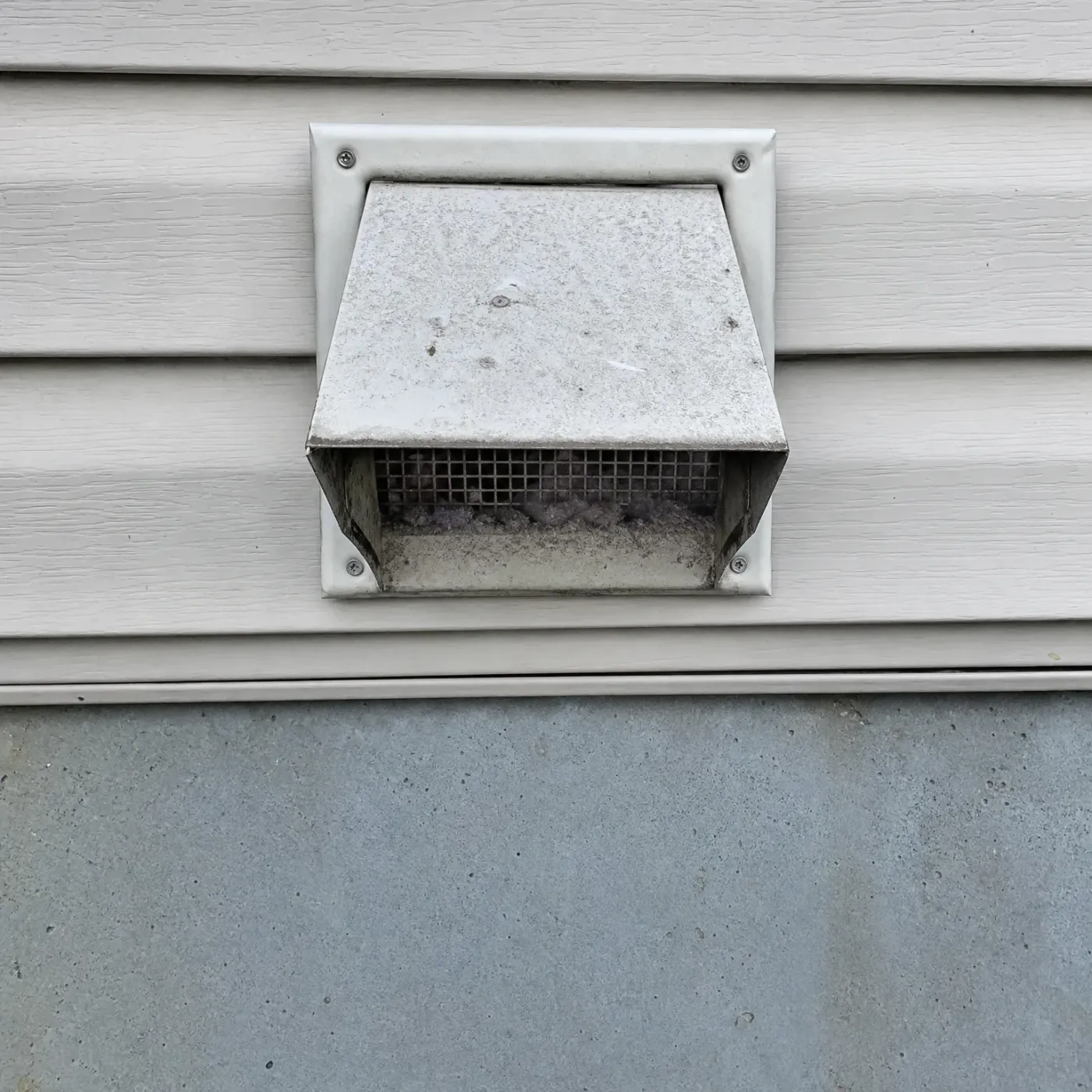
Dust and lint cake around the flap because the vent can't push air out the way it should. Behind that opening, nesting material is likely sitting in the duct, and every load of laundry is drying slower and running hotter than it needs to.

A bird found your vent hood, built a nest in it, and now the duct is carrying less air than your dryer is pushing into it. That's the whole problem. It doesn't fix itself once the nesting season passes, because the nest doesn't walk back out the way it came in. Someone has to open the line and pull it clear, and depending on how far the nest sits down the duct, that can mean more than reaching in at the hood.
You could spend the evening calling around Tarrant County, explaining the same thing to each one, waiting on quotes that don't tell you much until someone's actually looked at the vent. Or you can skip that and get matched with one contractor who works vent cleanings like this through every nesting season and already knows where birds tend to pack a duct and what it takes to clear one properly. You tell them once. They show up knowing what they're dealing with.

No phone calls to make