
Mini Split Installation in Plano, TX
A new system here will heat from November through March and cool from May through October every year. Tell us about the house, and a licensed contractor who covers Collin County will get in touch.
Tell us about the job
It takes about a minute.
What a mini-split in Plano has to handle
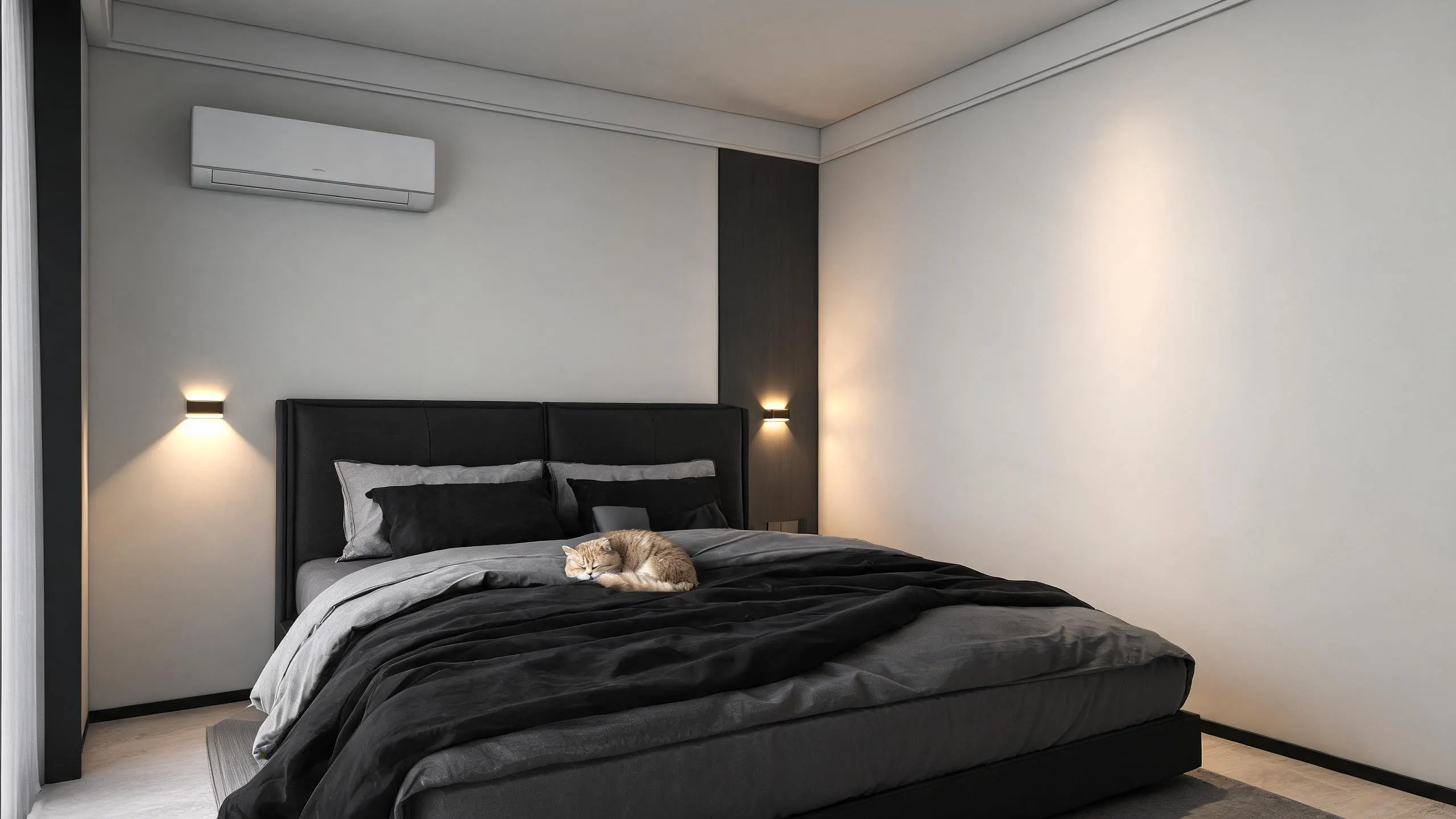
Eleven months out of the year, your mini-split is doing something. Cooling from May through October against afternoons that average 93°F, then heat from November through March on nights that drop to 36°F. That is almost no season where it sits idle.
Any mini-split installed new has to meet the federal minimum for a split-system heat pump, 14.3 SEER2 for cooling and 7.5 HSPF2 for heating. That is the floor, not a special ductless rule. Plano has also seen 22 winter storms and 86 damaging wind events over the last ten years, and close to half of homes here heat with electricity. When the power drops, a mini-split has no pilot light to fall back on, so it comes back on by itself once power is restored.
- 5 months
- November through March, your system heats
- 6 months
- May through October, it cools
- 36°F
- the average winter night it heats against
- 93°F
- the average summer afternoon it cools against
NOAA nClimDiv, 1991–2020 normals
Texas requires HVAC contractors to hold a state license.
TDLR tests and records the contractor, not the job. The license tells you the person or company doing your install has passed the state's exam and is on file with a state agency, and that record stays open if something goes wrong later. It does not mean a state inspector looks at your specific mini-split once it is on the wall.
That check comes from your city or county building office instead. In most places in Collin County, installing a mini-split needs a permit before the work starts and an inspection once it is done. That inspection is what confirms the work behind the wall, not the license, since the license covers the contractor and not the job itself.
Source: Texas Department of Licensing and Regulation
- Is a mini split worth it?
- For the right room or house, yes. A mini split cools and heats without ducts, so it works well for a room addition, a garage, or a house that has no ductwork to begin with. It also lets you condition just the room you're using, which a central system can't do. Whether it's worth it for your house depends on what you're heating and cooling now and what's giving you trouble, and a contractor can walk through that with you.
- How many rooms can a mini split cover?
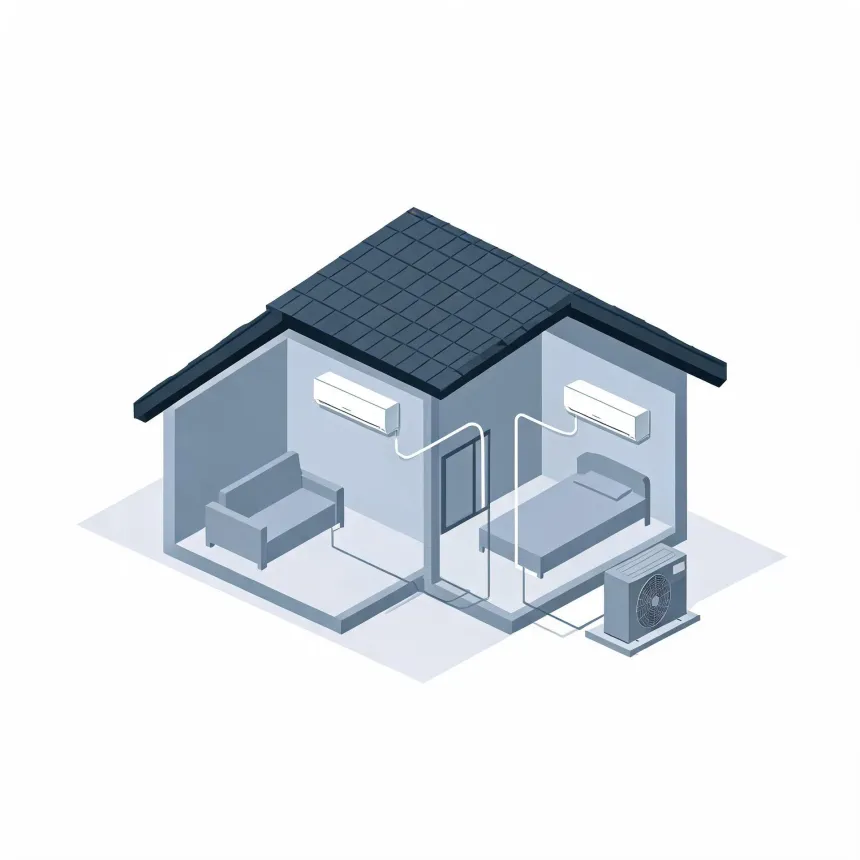
- A single indoor head covers one room or open area. If you need more than one room covered, you install a multi-zone system, which runs several indoor heads off one outdoor unit, each on its own thermostat. How many rooms you can cover depends on which outdoor unit goes in and how the heads are sized for each room. A contractor sizes the system to the rooms you want covered and how they're laid out.
- Can a mini split heat a whole house?
- It can, with enough zones and the right sizing. Plano homes need heat from November through March, and a mini split heat pump handles that as long as each room has a head sized for it. The harder part is winter nights, which average 36°F here, so the heat pump has to be sized to keep up on the coldest nights, not just an average one. A contractor can size a whole-house system room by room.