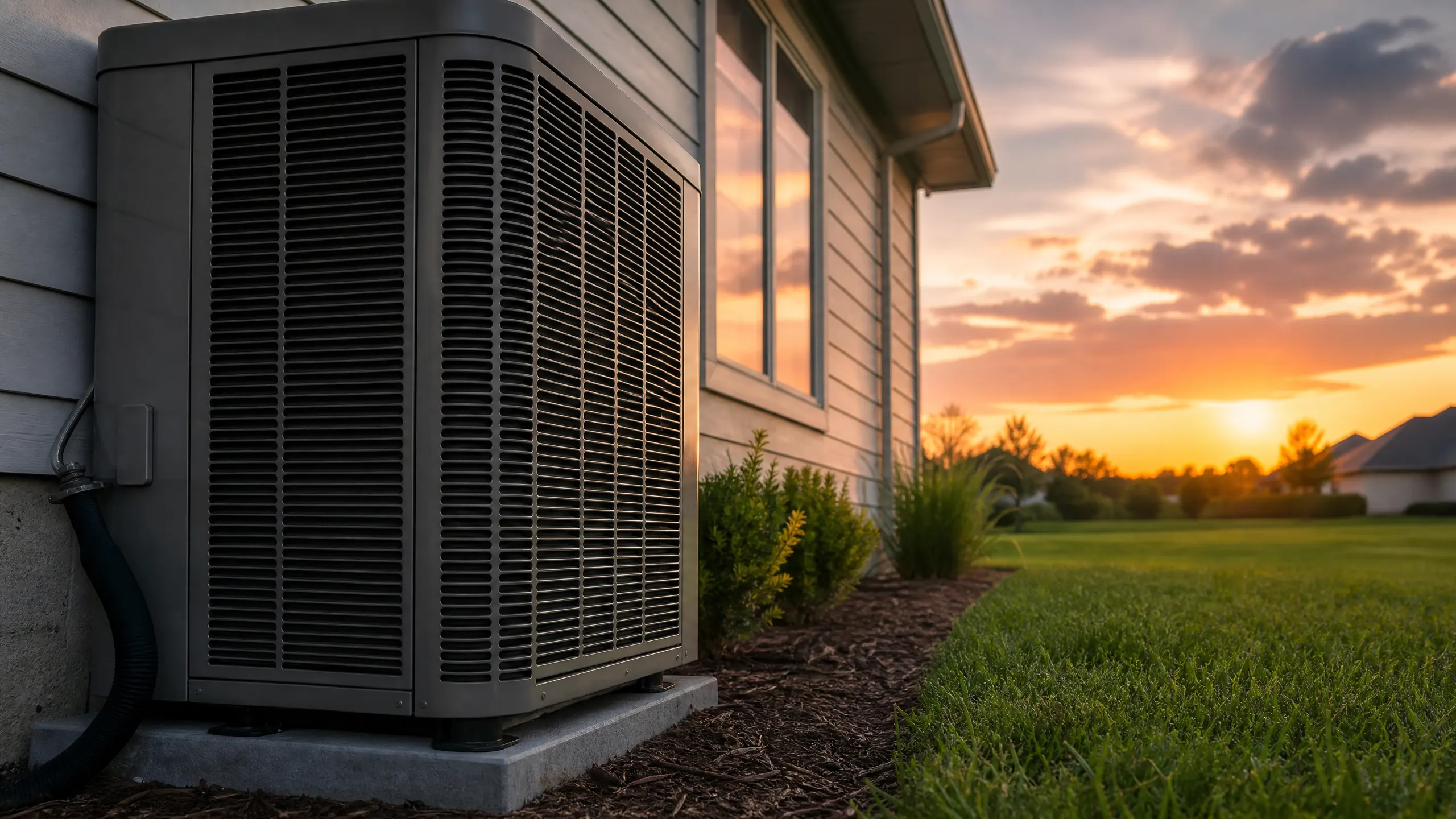
Heat Pump Installation in Plano, TX
A new system here will heat from November through March and cool from May through October every year. Tell us about the house, and a licensed contractor who covers Collin County will get in touch.
Tell us about the job
It takes about a minute.
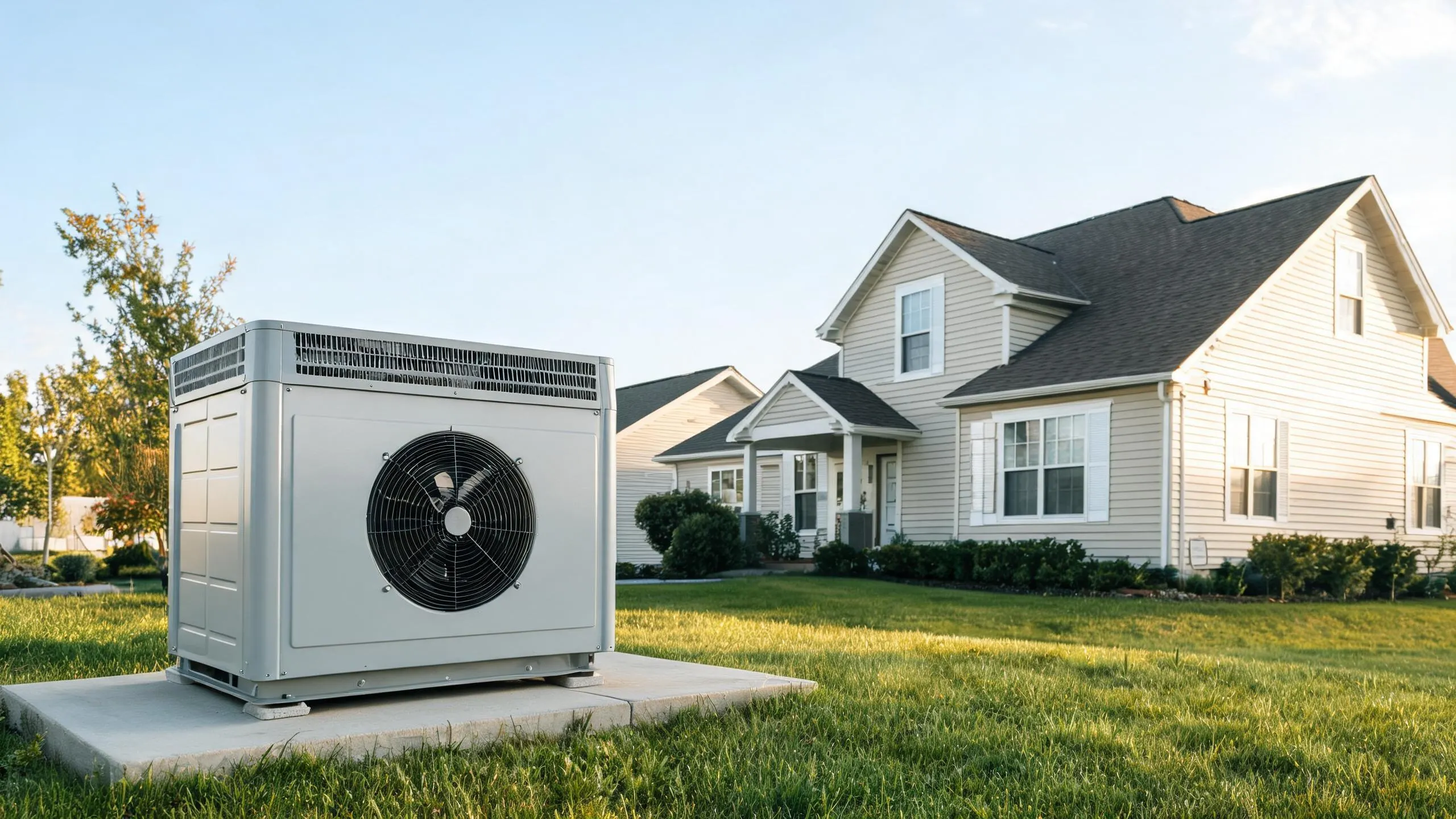
Eleven months of work a year for your heat pump
Plano only gets a true break from heating or cooling for about a month. Winter lows average 36°F from December through February, mild enough that a heat pump can heat efficiently without much help from backup electric strip heat. Summer afternoons average 93°F, and that heat holds from May through October, six months of the compressor running most days.
Any split-system heat pump installed new has to meet 14.3 SEER2 for cooling and 7.5 HSPF2 for heating, the federal minimum as of 2023. In Collin County, that efficiency matters on both ends. The unit is earning its keep nearly all year, not just through a short summer or a short winter.
- 5 months
- November through March, your system heats
- 6 months
- May through October, it cools
- 36°F
- the average winter night it heats against
- 93°F
- the average summer afternoon it cools against
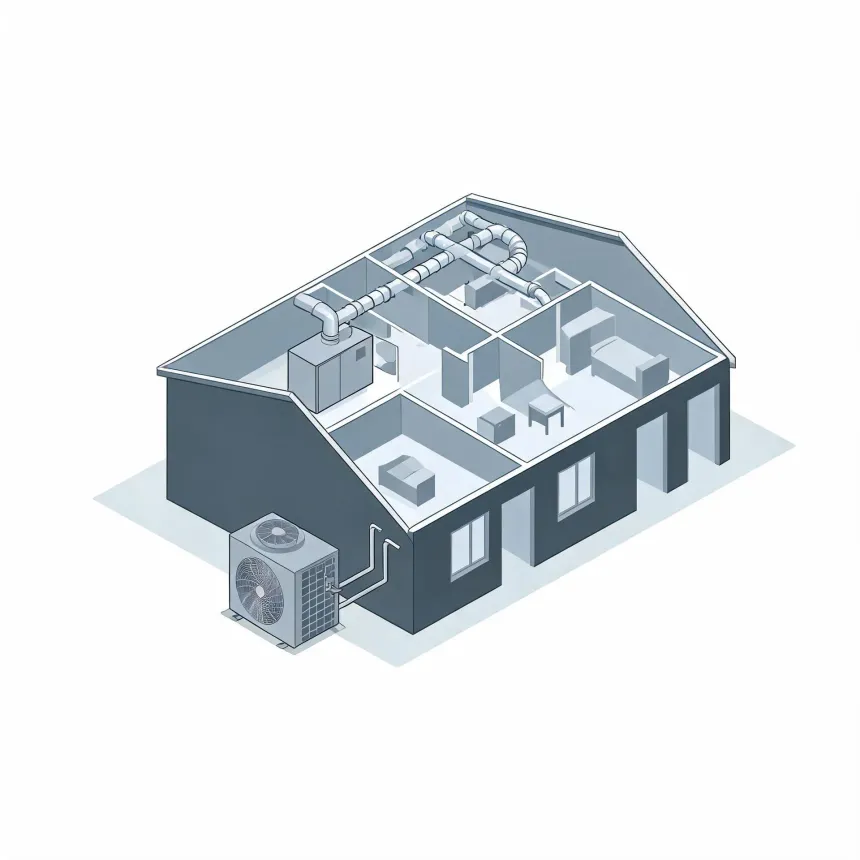
NOAA nClimDiv, 1991–2020 normals
Texas requires HVAC contractors to hold a state license.
The Texas Department of Licensing and Regulation tests HVAC contractors before they get a license, and that license belongs to the contractor, not to any one job. It means the person doing your installation had to prove they know the trade before the state put them on record.
For a heat pump installation, that license is what stands behind the person running the job, but the work itself still goes through the local building office. In most Texas cities and counties, installing a heat pump needs a permit, and the finished work gets inspected before anyone calls it done.
Source: Texas Department of Licensing and Regulation
- Is a heat pump better than a furnace?
- It depends on what you're trying to solve. A heat pump handles both heating and cooling from one system, so you're not running separate equipment for your five months of heat and six months of cooling. A furnace only heats, and here it would still need a separate air conditioner alongside it. Where a heat pump has a real edge is when the power goes out and comes back, since it starts back up on its own, while a furnace needs its pilot or ignition sequence to work too. Which one fits your house better is worth going over with a contractor who can look at your ductwork and your current setup.
- What's the difference between a heat pump and an air conditioner?
- An air conditioner only cools your house. A heat pump does the same cooling in summer, but it can also run in reverse to heat your house in winter, pulling warmth from the outside air and moving it inside. Mechanically they share most of the same parts, the compressor, the coils, the refrigerant. The difference is the reversing valve that lets a heat pump switch directions, which a plain air conditioner doesn't have.
- Does a heat pump work in cold weather?
- Yes. A heat pump keeps pulling heat from outside air even when it's cold, down well below freezing. Winter nights here average 36°F, which is well within the range a heat pump is built to handle. As the outside temperature drops further, a heat pump has to work harder to extract the same amount of heat, and some models add electric resistance heat as backup on the coldest nights.