
How often to clean air ducts in Texas

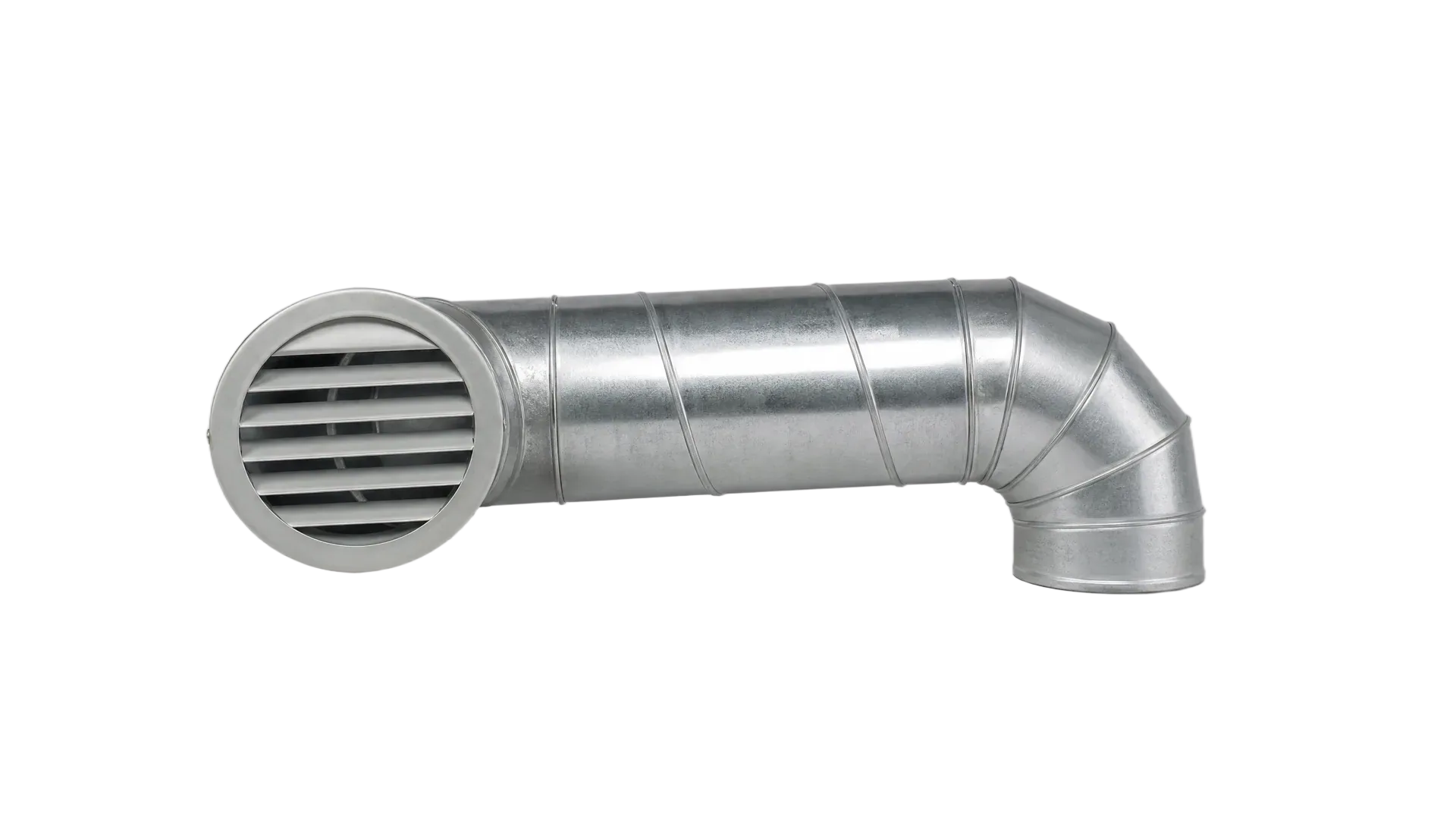
A galvanized steel round duct section with a 90-degree elbow at one end and a louvered vent grille at the other, photographed against a plain gray background.
Start one form

How often should I clean my air ducts in Texas?

You keep the house running the way it should, and duct cleaning isn't something you think about until you wonder if it's overdue. With the AC working hard most of the year here, you want a real answer, not a vague rule that doesn't account for how much your system actually runs or what Texas air pulls into it.

Every 3 to 5 years, sooner if you notice dust or weak airflow

Most homes do fine on a 3 to 5 year schedule. Texas humidity pushes that timeline up for some houses, since damp air moving through ductwork year after year gives mold and dust more to hold onto than drier climates do. If your electric system runs hard through a long muggy summer, the ducts move more air overall, which means more dust pulled through and settled inside. Watch for signs that mean sooner: dust collecting fast around vents, a musty smell when the air kicks on, or rooms that don't cool evenly anymore. None of that waits for a set number of years. A duct system that's never been cleaned, or one feeding a house with pets or recent renovation dust, often needs attention well before the 5 year mark.

Unfinished basement with bare concrete walls and floor, exposed wood joists, and galvanized sheet-metal HVAC ductwork and pipes running across the ceiling.

Ducts running clean

Air moves through the metal without resistance, and the registers put out the same cool air in every room. Dust doesn't collect in a ring around the vent covers. The system cycles on, satisfies the thermostat, and shuts off without running longer than it should to make a room comfortable.


Basement ceiling with galvanized sheet-metal ductwork, wooden joists and subfloor, black and white pipes, above a concrete wall and floor.

Ducts due for attention

Dust builds up along the seams and settles heavier near the branch junctions, where it can work loose and blow back into the rooms. Some vents put out less air than others. If anyone in the house deals with allergies, that dust moving through the system is worth a look.

Schedule or Symptom: When to Clean

Clean on schedule

  • Most homes here do fine with duct cleaning every three to five years, not every year.
  • A system that runs most of the year, like AC does in Texas, pushes more dust through the ducts than one that sits idle half the time.
  • If anyone in the house has allergies or asthma, cleaning on the shorter end of that range keeps the air moving through cleaner metal.
  • A contractor who works on ducts in Texas every summer can tell you from the registers and the return whether you're due or not.
  • Homes near construction or with pets shedding into the return air usually need the shorter interval, not the longer one.
  • Skipping a scheduled cleaning for another year or two rarely causes a problem by itself.

Clean because something's wrong

  • Dust rings around the vent covers or a burst of dust when the system kicks on means it's time, regardless of when you last had it done.
  • A musty smell when the AC runs often points to moisture sitting in the ductwork, and that calls for cleaning sooner than any schedule would say.
  • Rooms that used to cool evenly and now run warm can mean buildup inside the ducts is blocking airflow to that part of the house.
  • Visible mold on a register or inside the first foot of duct means cleaning now, not at the three-year mark.
  • A recent renovation that left drywall dust or insulation fibers in the system means the ducts need attention before the next summer, not years from now.
  • If the filter needs changing far more often than it used to, something inside the ducts may be shedding debris back into the air.
Empty unfinished basement with bare concrete floor, insulated walls with vapor barrier between wood studs, exposed wood joists, galvanized sheet-metal ductwork, a recessed light, and a steel support column.

Ducts routed through open joists

These ducts sit out in the open, run after run of galvanized metal and flex pipe strapped to the joists above. Nothing hides a loose seam or a crushed section of flex. If a joint pulls apart, the air just dumps into the basement instead of reaching the register.

Empty basement room with bare concrete walls and floor, exposed wooden floor joists overhead, large galvanized sheet-metal ducts with a vent grille, colored pipes, and a single lit bulb.

Ducts boxed in by a finished basement

Once walls and a ceiling go up around them, the same ducts run blind. A seam can open or a section can sag against the plumbing overhead and nobody sees it happen. The first sign is usually a room that stopped cooling the way it used to.

Why does one room never feel as cool as the rest

Walk your house in July and check each vent. If one or two rooms run warmer than the rest even with the thermostat satisfied, dust built up in the duct run is a likely reason the air can't get there the way it should. Look at the vent covers themselves. A gray ring of dust around the grille means it's settling inside the duct too, not just on the cover. Run a finger along the inside edge of a register and check what comes off on your hand. If anyone in the house deals with allergies or asthma, pay attention to whether symptoms ease up when they're away from home and come back within a day of returning. That pattern points at the air they're breathing indoors, not somewhere else.

A smiling woman with long dark hair in a gray sweater sits at a white stone counter with a glass of white wine, with a kitchen, fireplace and sofa visible behind her.
A smiling woman with dark hair in a cream sweater sits at a marble table with a glass of red wine, with a lit lamp, sofa, fireplace and kitchen counter behind her.
A woman in a cream sweater laughs while seated at a marble countertop with a glass of red wine, with a dimly lit living room and sofa behind her.
A woman in a beige turtleneck sweater with her hair up sits laughing and looking to the side at a white marble table with a glass of red wine, in a dimly lit interior with a lamp and seating area behind her.

No phone calls to make

Finding someone to look at your ducts usually means a run of calls: searching for a duct cleaner near you, explaining what you're seeing room by room, waiting on callbacks, then stacking up quotes to figure out who actually knows what they're doing versus who just owns a truck and a hose. With a system that runs most of the year the way yours does in Texas, that back and forth costs you more cooling days than it should. One request here goes to a licensed contractor local to you, someone who works on duct systems in this climate all season and has seen what three or four years of Texas dust and humidity does to a supply run, which joints tend to loosen, where the dust actually collects. You're not fielding five calls from five companies trying to win the job. You explain your rooms, your vents, what you noticed in July, once, to the person who shows up.

What a duct cleaning actually removes

A crew working your system isn't just running a brush through the metal. They'll pull the supply and return grilles, vacuum the main trunk line and the branch runs, and clean the blower compartment and coil area if it's reachable. Loose fiberglass from exposed duct board, pet hair, and the fine dust that builds up along the bottom of horizontal runs all come out through a negative-pressure hose connected to a truck-mounted vacuum. None of that gets pulled out by changing a filter. A filter only catches what's moving through the air stream at that moment, not what's already settled on the duct walls.

Why the return side matters more

Return ducts pull air out of your rooms and send it back to the furnace or air handler, and that's where most of the dust load builds up, especially if a return grille sits low to the floor or near a hallway with foot traffic. Supply ducts carry air that already passed through the filter, so they stay cleaner longer. If a cleaning crew only vacuums the supply side and skips the returns, you haven't addressed where the buildup actually starts. Ask what gets cleaned before the work begins, not after.

A smiling middle-aged man in a dark green sweater sits at a candlelit table with wine glasses and a plate of greens in a dimly lit interior.
A woman in a dark knit turtleneck sweater reclines on a couch under a cream knit blanket, looking down at an open book, with a lit table lamp and framed pictures behind her.
  1. A technician inspects every duct run with a camera first

  2. Each supply and return grille comes off the wall

  3. A negative air machine seals onto the trunk line

  4. Brushes and air whips knock loose dust along the way

Basement ceiling with large galvanized sheet-metal ductwork, round metal pipes and plumbing lines running beneath wood joists, above a bare concrete wall and floor.
Before you get your ductwork cleaning
Unfinished basement with bare concrete floor and walls, exposed wood joists, large galvanized sheet-metal ductwork, PVC and copper piping, and a gray furnace unit beside wood stud framing.
After you get your ductwork cleaning

Power costs 15.40 cents per kilowatt-hour statewide

At 15.40 cents per kilowatt-hour, every hour the blower spends pushing air through a clogged duct run is an hour you're paying for the motor to work harder than it should. Clean ducts cost you less to move air through, which matters on a system that runs most of the year.

EIA-861 2025 statewide residential average

Three to five years is the answer for most houses here, closer to three if the system runs hard all summer or someone in the house has allergies. You don't need to track it down yourself or get three different crews walking through your attic giving three different opinions. A local contractor who works on Texas duct systems all season has seen what galvanized runs and flex pipe look like after years of hard use in this climate, and knows what to check first. One contractor means one visit, one set of eyes on your ductwork, not a string of callbacks to sort through. Your ducts are either due or they aren't, and now you know how to tell which.

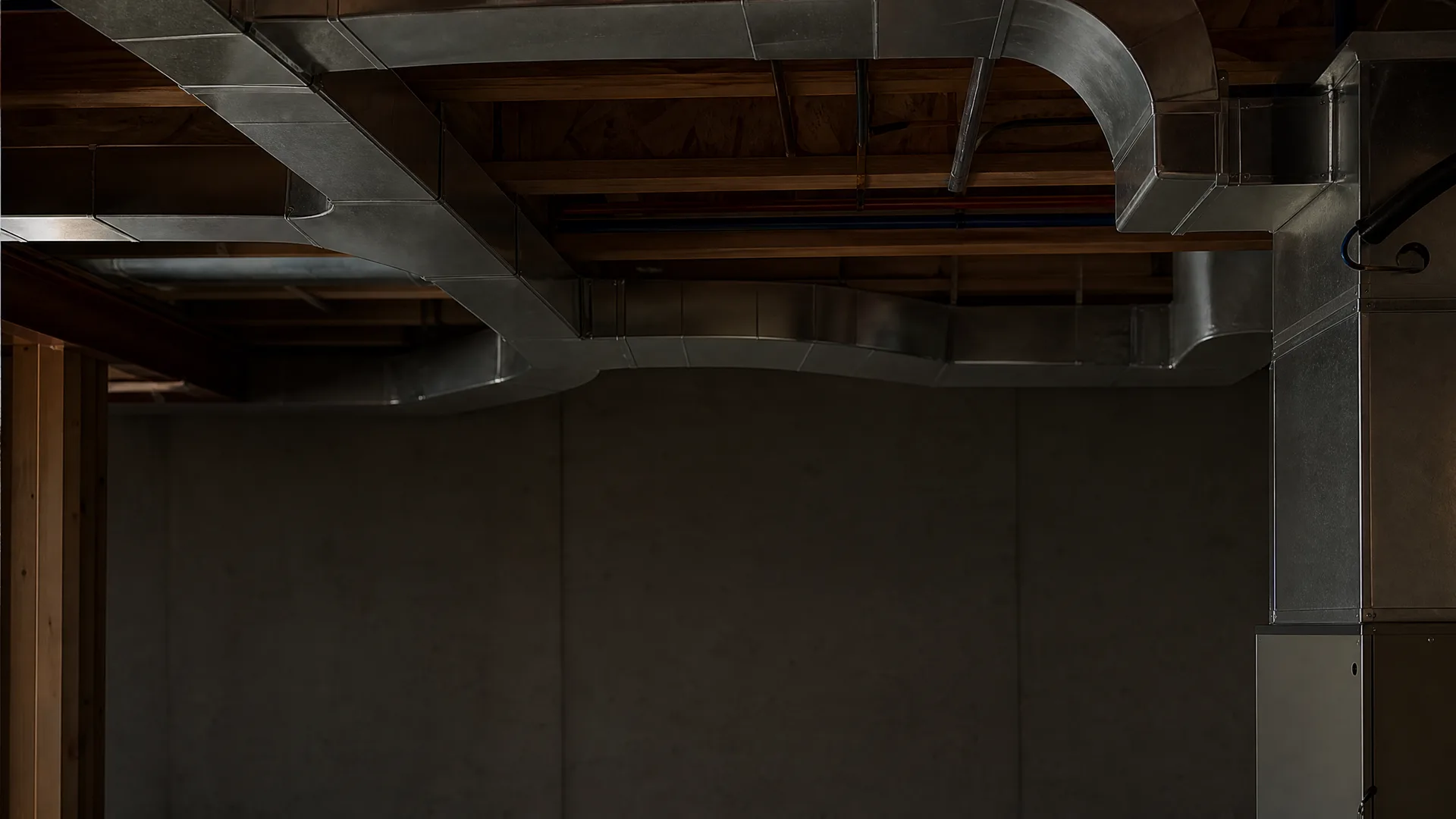
Dimly lit interior showing galvanized sheet-metal HVAC ductwork running below a wooden joist ceiling above a dark gray wall.

One form, no calling around

The pro who reaches out is licensed in Texas.

Duct and vent cleaningDucts or ventsTexas
Step 1 of 2

What ZIP code is the job in?