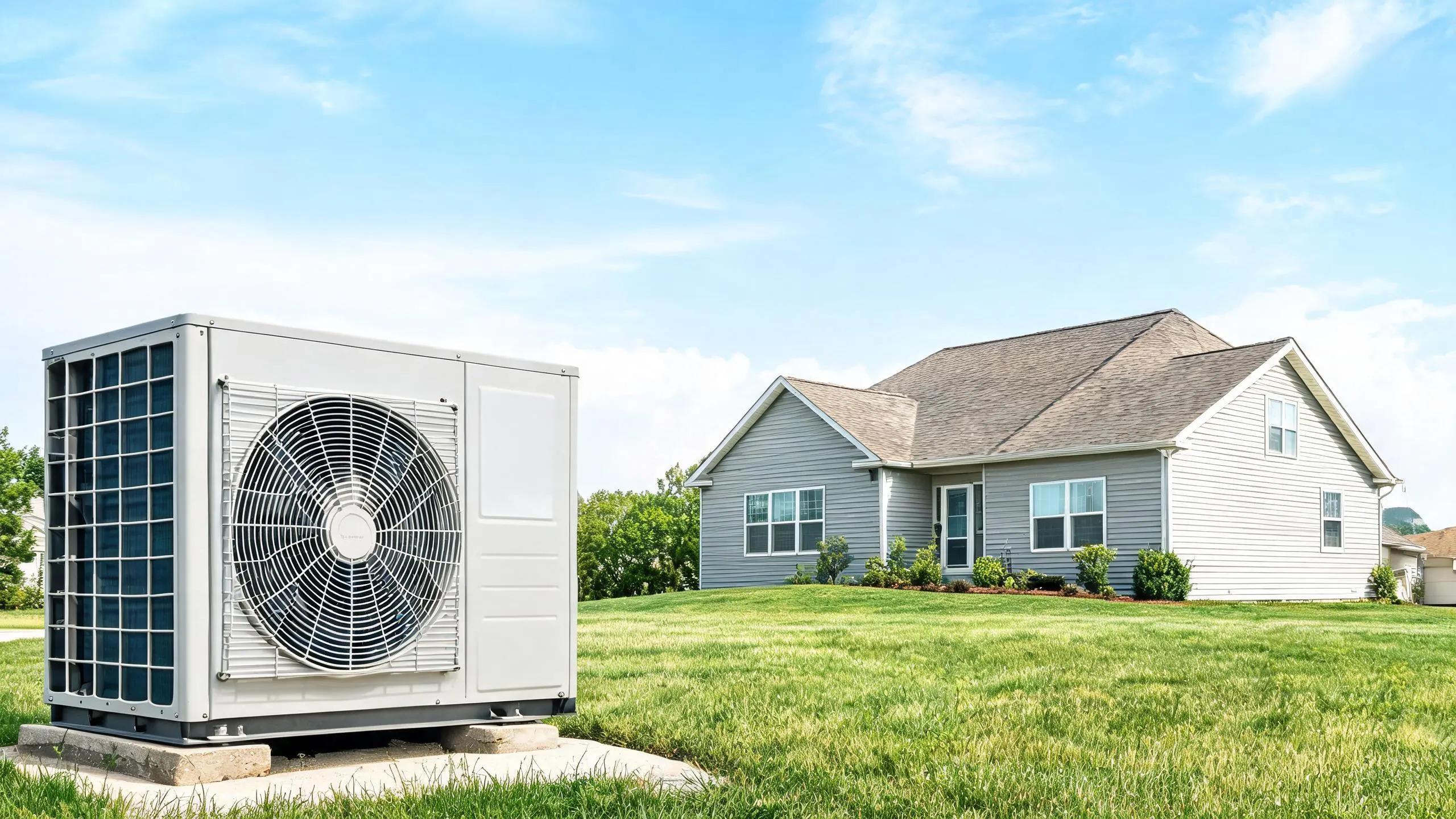
Heat Pump Installation in Killeen, TX
A new system here will heat from November through March and cool from April through October every year. Tell us about the house, and a licensed contractor who covers Bell County will get in touch.
Tell us about the job
It takes about a minute.
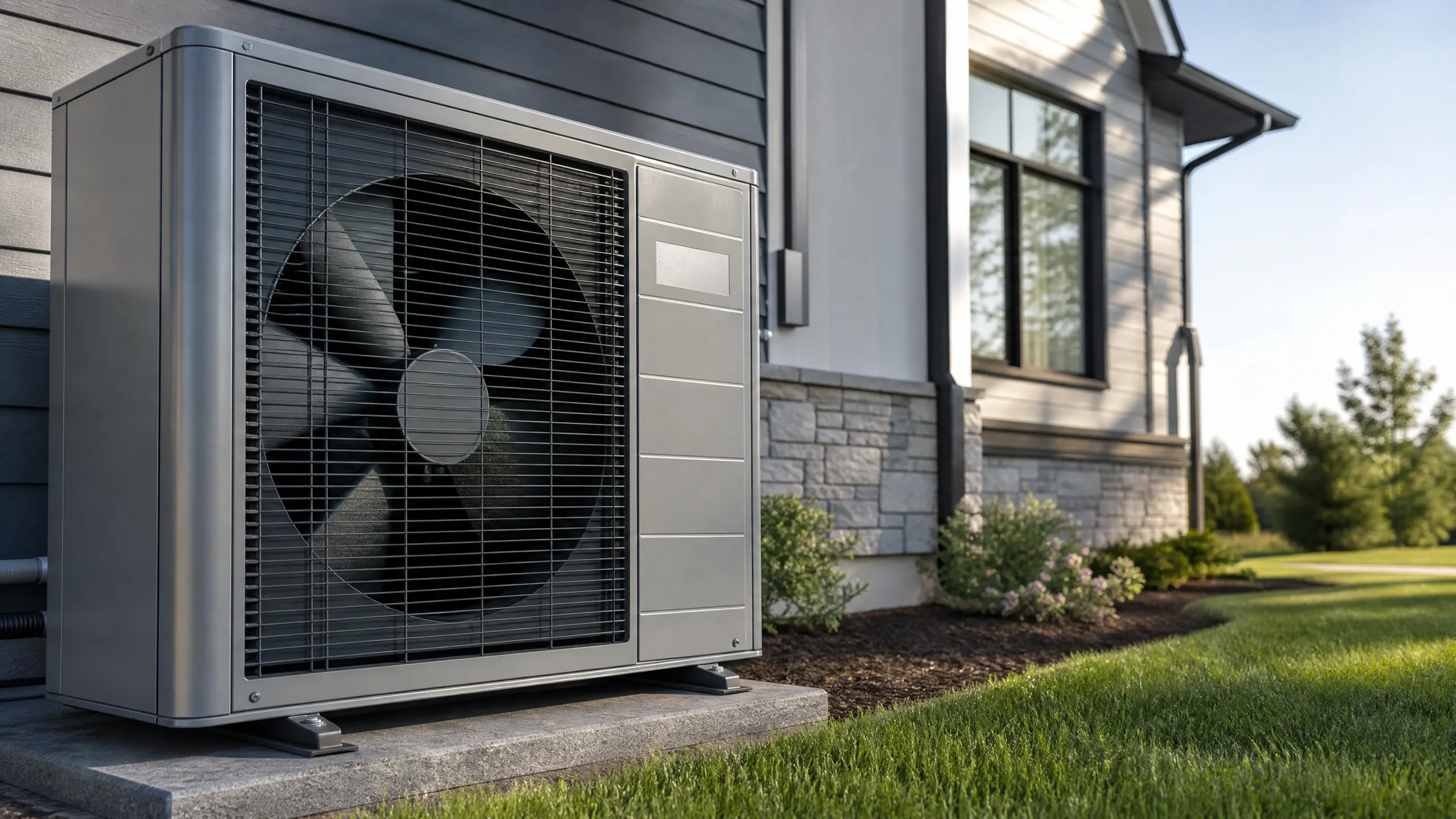
A heat pump in Killeen works all year
Homes here need heat or cooling 12 months a year, and a heat pump is built to handle both from the same unit. Summer afternoons average 95°F, so it runs hard through a seven month cooling season from April through October. Then it switches over for the five month heating season from November through March, when winter nights average 39°F.
86% of homes here heat with electricity, so the heat pump is often the only thing keeping the house comfortable, not a backup to something else. A new split-system heat pump has to meet federal minimums of 14.3 SEER2 for cooling and 7.5 HSPF2 for heating.
- 5 months
- November through March, your system heats
- 7 months
- April through October, it cools
- 39°F
- the average winter night it heats against
- 95°F
- the average summer afternoon it cools against
NOAA nClimDiv, 1991–2020 normals
Texas requires HVAC contractors to hold a state license.
The license is issued to the contractor, not to the job, so it covers this contractor's work in general rather than this specific installation. TDLR keeps the record and sets the standard the contractor was tested against when the license was issued.
For the heat pump going in at your place, the license tells you the contractor is on record with the state. The permit and inspection are what checks this particular job. In most cities and counties in Texas, installing a heat pump needs a permit from the local building office, and the work gets inspected once it's done. That inspection is what confirms the refrigerant lines, wiring and connections were done right, not the license itself.
Source: Texas Department of Licensing and Regulation
- Is a heat pump better than a furnace?
- It depends on what you're weighing it against. A heat pump moves heat instead of burning fuel to make it, so one system covers both your heating and your cooling. It also costs less to run than electric resistance heat, which is what most homes here use. Winter nights in Killeen average 39°F, mild enough that a heat pump keeps up on its own most of the season without needing backup. A gas furnace still puts out hotter air at the vent, so in places with harder freezes than this one sees, that can matter more.
- What's the difference between a heat pump and an air conditioner?
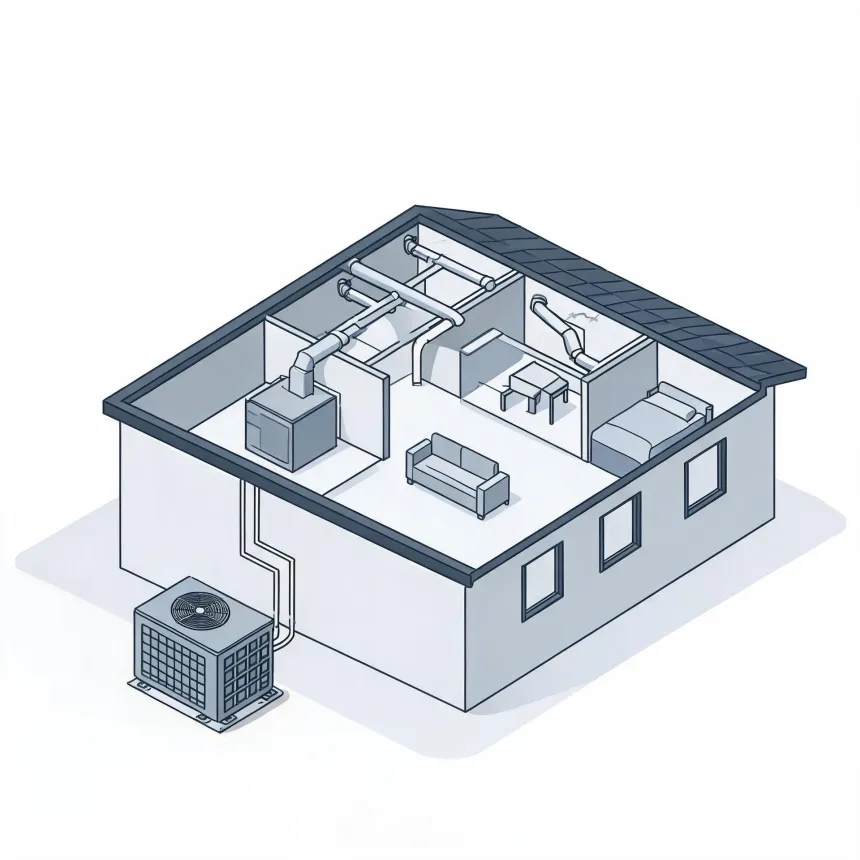
- An air conditioner only cools. A heat pump cools your home the same way in summer, but it can also run in reverse to heat it in winter. The two share most of the same parts, the compressor, the coils, the refrigerant line. That reverse cycle is the whole difference, and it's what lets one outdoor unit do the job of both your AC and your furnace.
- Does a heat pump work in cold weather?
- Yes, though it puts out less heat as the temperature outside drops. Winter nights here average 39°F, well within the range a heat pump handles on its own without backup heat. Federal rules now require new heat pumps to hit at least 7.5 HSPF2 for heating efficiency, so even a base model today performs better in cold weather than older units did.