Why your laundry room gets so hot in Texas

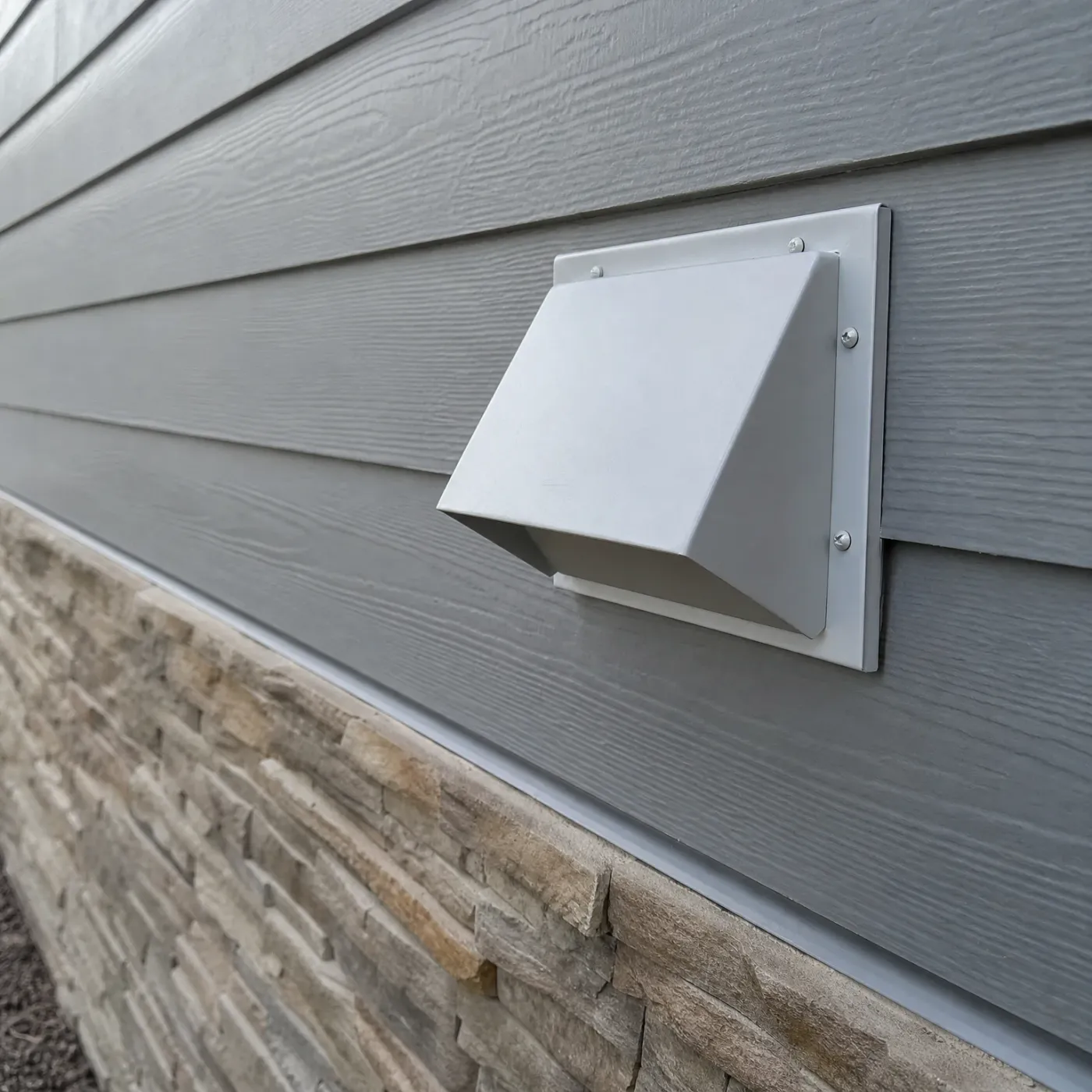
A square stainless steel wall vent with four corner screw holes and a hinged flap cover, partly open to reveal a dark circular duct opening, shown against a plain light gray background.
Let a pro reach out

A hot laundry room usually comes down to the dryer, not the weather. Every load pushes warm, damp air through the vent, and if that vent is clogged with lint, the heat has nowhere to go but back into the room. In a Texas summer, with the house already humid, that trapped heat and moisture build up fast instead of clearing between loads. A dryer working against a blocked vent also runs longer and hotter to finish drying, which adds even more heat to the room over time. If your laundry room feels worse by August than it did in April, that is usually a sign the vent is more restricted than it was, not that your dryer has changed. Clearing the vent lets the heat go outside where it belongs instead of staying in the room with you.

A white plastic hooded dryer vent with a screened opening mounted on gray horizontal lap siding above a concrete foundation and gravel bed.
Air moves straight out through the hood, so the heat from each load leaves with it.
A white plastic dryer vent hood mounted on horizontal lap siding, clogged with gray lint at its lower opening, above a concrete foundation and walkway.
Lint has choked the opening, so that same heat backs up into your laundry room instead.

A dryer only has one way to get rid of the heat it makes, and that's out the hood. Each load sends hot, wet air down the hose for ten or fifteen minutes before it tapers off, and as long as the path is clear, that heat leaves with it. Lint doesn't block the vent all at once. It builds along the sides of the run, narrowing the opening a little more with every load. Once that happens, the dryer's blower is working against air that has nowhere to go, and some of it finds its way back through the door seal and the vents on the drum instead of out the hood. The cycle also takes longer to finish the same load, which means more heated air moving through the room before the dryer shuts off. By the time you notice the room is hot, most of that heat came from the cabinet itself, not just the exhaust. A vent that moves air freely only ever lets you feel what the dryer gives off on its own, nothing backed up behind it.

Where the heat actually comes from

  • Every dryer cycle pushes hot air mixed with moisture through a hose to the vent hood, usually in a run of ten to fifteen minutes before it tapers off.
  • Lint catches on the sides of the vent run first, narrowing the path before it ever fully blocks it.
  • As the opening narrows, the dryer's own blower has to push harder against the backed-up air, and some of that heat pushes back through the door seal and drum vents into the room.
  • A clogged vent also makes the dryer run longer to dry the same load, so more heated air cycles through the room before the cycle ends.
  • The heat you feel is coming from inside the dryer cabinet itself, not just the exhaust, once airflow out the hood slows down.
  • A vent that's clear moves that same air outside in one pass, so the room only feels the heat the dryer gives off directly, not what should have left through the hood.
A smiling man in a dark green shirt over a white t-shirt sits at a kitchen counter with a dark mug, looking off to the side, with shelves, plants and a bright living area behind him.
A man in a gray long-sleeve waffle-knit shirt smiles and looks off to the side in a kitchen with open shelving, a refrigerator, a wooden sideboard with a potted plant, and a glass door to the right.
A man in a dark green ribbed sweater stands smiling and looking off to the side beside a stone kitchen counter with a ceramic mug, with a dining table, pendant lights, and large windows in the background.
A bearded man in a gray long-sleeve shirt stands smiling and looking off-camera beside a kitchen counter with a white mug, with a living room, fireplace and wall-mounted television behind him.
A white hooded exterior vent cover screwed to gray horizontal lap siding above a stacked stone veneer base.

Let someone else find the pro

Your request stays with one local pro.

Send the form and finding a dryer vent cleaner is handled.

Get one local pro

No charge to send it. You decide if you hire them.

Does your laundry room stay hot after the dryer shuts off

You'll feel it before you think about it. The room stays warm long after the cycle ends, and the air feels thick, almost sticky, the way it does outside in July. You might notice the dryer running longer than it used to, or clothes coming out hot to the touch but not quite dry. Touch the vent hose where it meets the wall and it may feel warm itself. Lint piling up fast in the trap is another sign the rest is backing up somewhere it shouldn't. Left alone, a blocked vent makes the dryer work harder every load, and that heat and moisture have to go somewhere. Usually that's your laundry room.

A white hooded exterior vent cover with a screened lower opening, screwed to beige horizontal lap siding above a concrete foundation.

The vent clear

The hood sits flush against the siding and the flaps open with the airflow. Hot air from the dryer leaves the house as fast as the dryer pushes it out. Nothing holds it back, so your laundry room stays close to the temperature of the rest of the house.

A hooded dryer vent mounted on beige lap siding, with gray lint buildup packed in and hanging from its louvered opening.

The vent clogged

Lint has packed into the louvers until they barely move. The dryer still pushes the same hot, damp air, but now most of it has nowhere to go. It backs up into the vent and into your laundry room, and a clog this heavy is also a fire risk worth taking seriously.

Power costs 15.40 cents per kilowatt-hour statewide

At 15.40 cents a kilowatt-hour, a dryer straining to push air through a clogged vent is running longer than it should, and that extra time shows up on your bill. Clearing the vent gets it back to normal.

EIA-861 2025 statewide residential average

A clogged vent doesn't just trap heat, it traps moisture too, and that moisture has nowhere to go but back into your laundry room along with the warm air.

That's why the room feels sticky instead of just warm, and why a fan or an open door never fixes it for long.

A bearded man in a dark blue T-shirt sits on a gray couch, smiling and looking down to his left, with a bookshelf and a bright window behind him.
A bearded man in a plaid flannel shirt looks out a window at snow-covered conifer trees, with a steaming ceramic mug on the sill and wooden shelves holding dishes and a plant behind him.

A Clear Vent Fixes the Room

  • A hot, sticky laundry room in a Texas summer almost always traces back to a blocked dryer vent, not the weather outside.
  • Clearing the lint out of the vent run lets heat and moisture leave the house the way the dryer was built to send it.
  • A local contractor who services dryer vents all summer knows exactly where lint tends to catch in homes built around here.
  • Sending one request puts you in touch with that one contractor directly, instead of fielding calls from several companies at once.
  • Once the vent runs clear, the room settles back to the same temperature as the rest of the house.
  • Catching this now keeps a clogged vent from turning into a bigger repair or a safety issue down the line.

The heat in your laundry room was never about the Texas summer. It was about where that summer air meets a dryer vent that can't do its job. Lint narrows the path first, then blocks it, and every load after that pushes hot, damp air back into the room instead of out through the hood. That's the whole problem, and it has a plain fix.

Clearing the vent run is what lets the dryer push air out the way it's supposed to. Once that path is open again, the heat and moisture leave with it, load after load, and the room stops holding onto either one. You won't need a fan running all day or the door propped open. The room settles back to the same temperature as the rest of the house because the air causing the problem is finally gone.

Getting there means having someone look at the actual vent run in your house, not a general checklist. A contractor who works on dryer vents through the summer has seen where lint tends to catch in homes built the way yours was, and knows what to check first. Sending one request connects you with that one contractor directly. No fielding calls from three or four companies trying to win the job, just the person who's going to do the work.

Left alone, a blocked vent doesn't stay a minor nuisance. It's worth catching now, while it's still a simple fix.
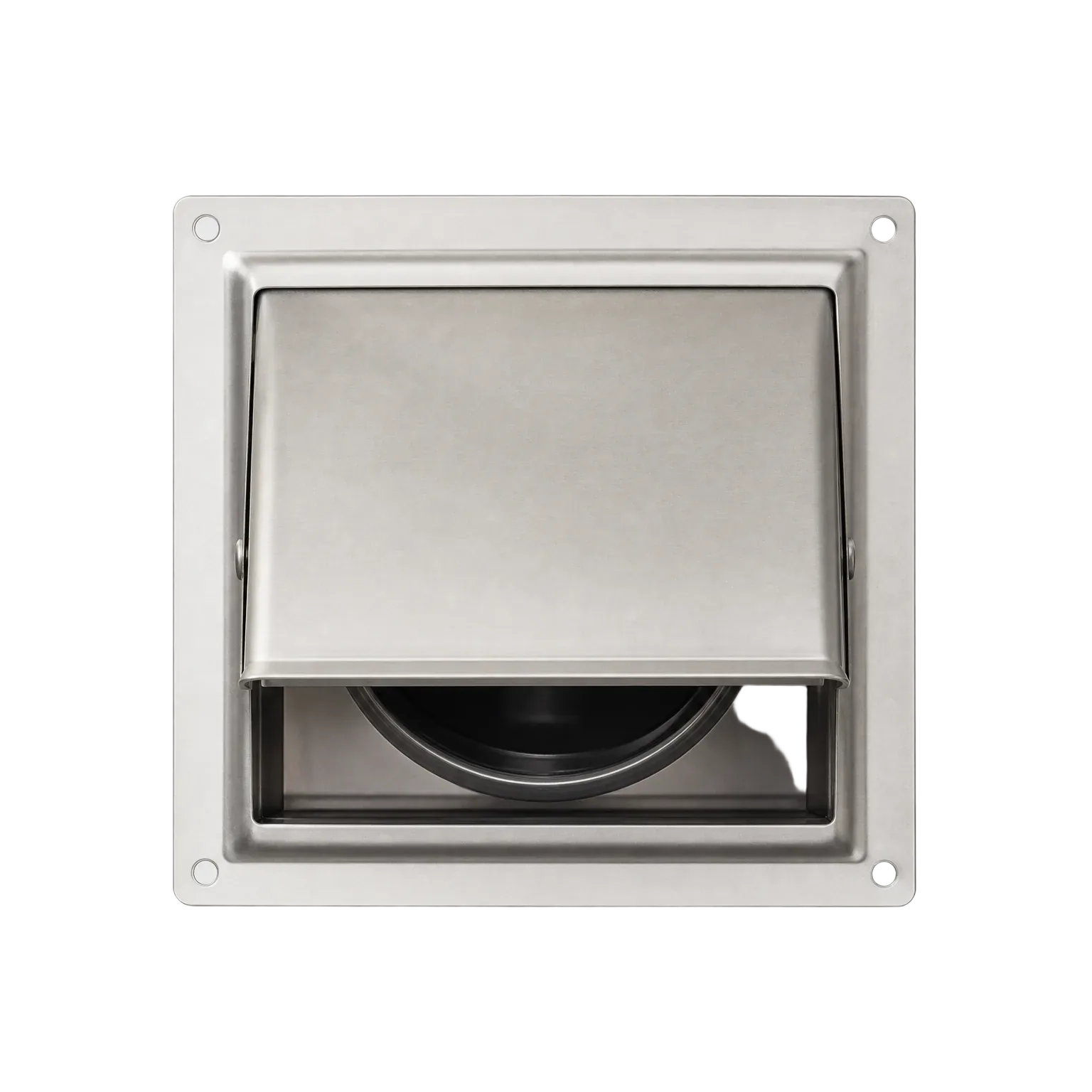

A dark gray hooded exterior vent cover with a louvered opening mounted on dark horizontal lap siding, viewed at a steep angle.

One request and it's handed off

Your dryer vent cleaning request goes to one local pro.

Duct and vent cleaningTexas
Step 1 of 3

What kind of equipment?