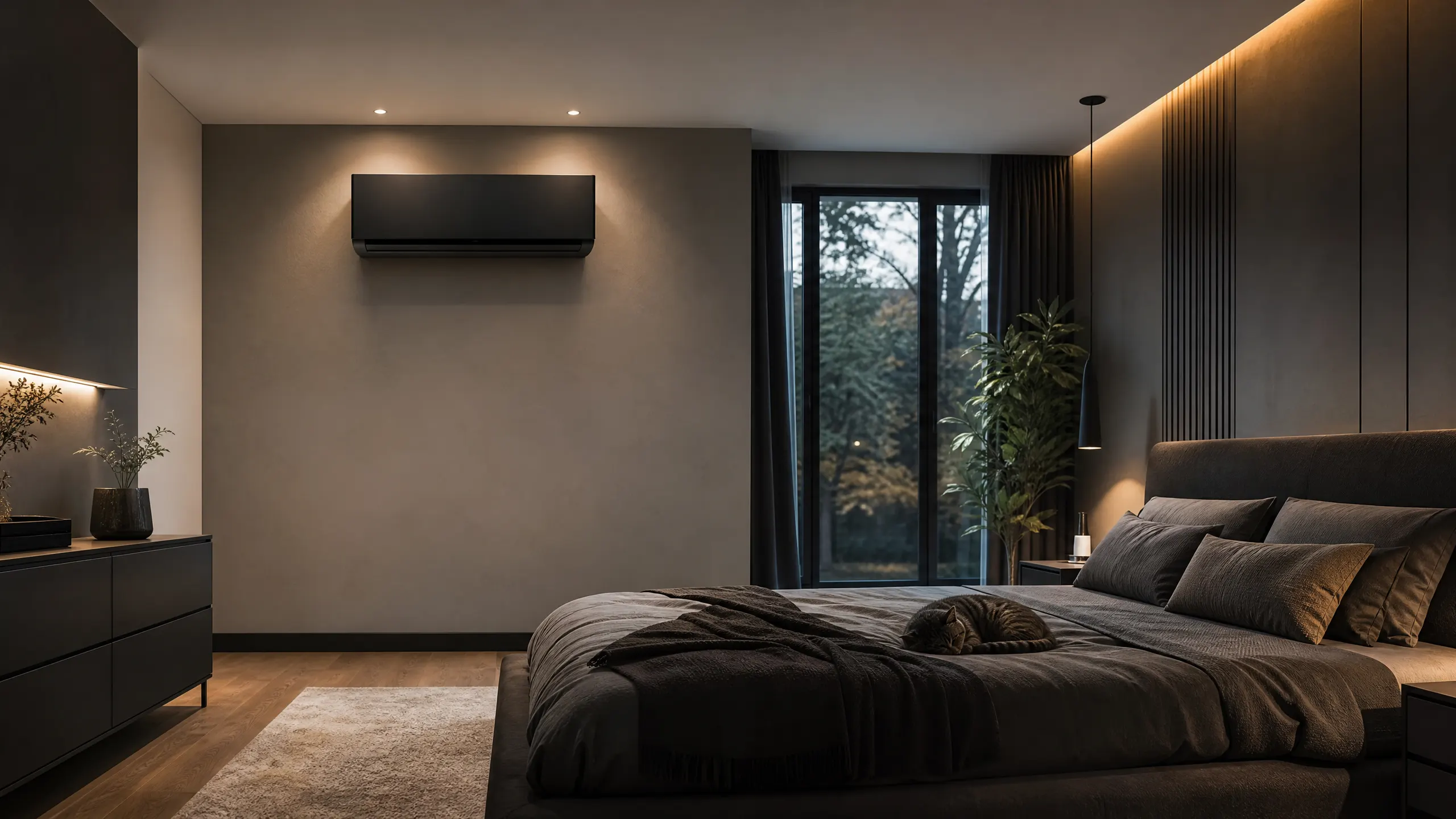
Mini Split Installation in Lubbock, TX
A new system here will heat from November through April and cool from May through September every year. Tell us about the house, and a licensed contractor who covers Lubbock County will get in touch.
Tell us about the job
It takes about a minute.
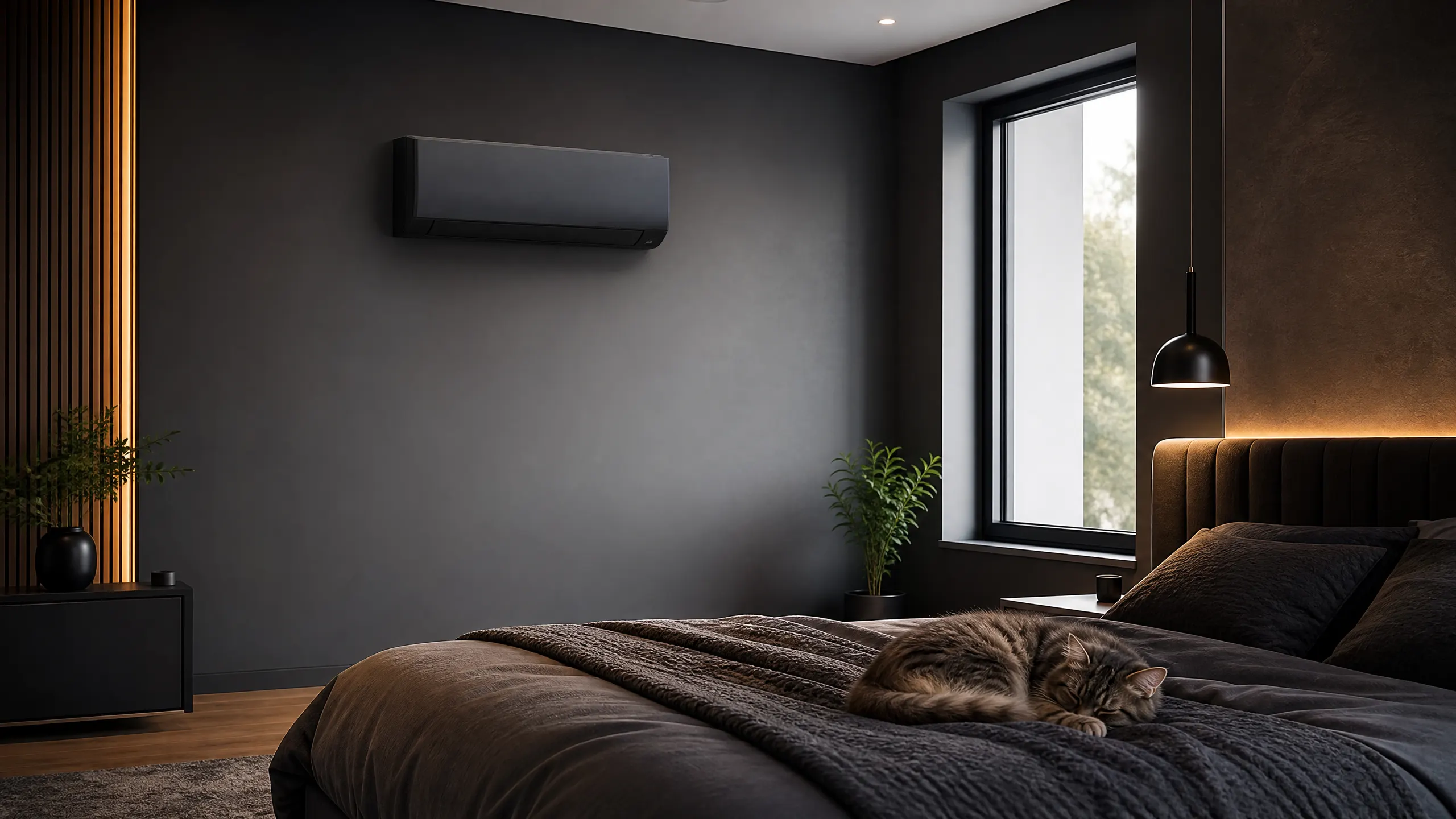
Eleven months of work for one system in Lubbock County
A mini-split here works almost year round. Heat runs November through April, when nights average 29°F. Cooling runs May through September, with afternoons averaging 92°F. That leaves one month of rest.
A new unit installed here has to hold up on both ends, a real cold snap and a real Texas summer, not just meet them on paper. Any mini-split heat pump built since January 2023 has to clear 14.3 SEER2 for cooling and 7.5 HSPF2 for heating, so that baseline is already covered. What matters more in this county is the power behind it. Over a third of Texas households lost power for at least a day in 2024, and the last ten years brought 10 winter storms and 150 damaging wind events through the area. More than half the homes here heat with electricity, so when the power goes out, so does the heat.
- 6 months
- November through April, your system heats
- 5 months
- May through September, it cools
- 29°F
- the average winter night it heats against
- 92°F
- the average summer afternoon it cools against
NOAA nClimDiv, 1991–2020 normals
Texas requires HVAC contractors to hold a state license.
The license comes from the Texas Department of Licensing and Regulation, and it covers the contractor, not each job. It does not mean an inspector checks every installation before it's called done.
For a mini-split job, the license tells you who you're hiring is on record with the state. The permit and inspection are what checks the work itself. In most cities and counties in Texas, installing a mini-split needs a permit from the local building office, and the job gets inspected once it's finished. That inspection is what catches a bad line set connection or a unit mounted wrong, not the license.
Source: Texas Department of Licensing and Regulation
- Is a mini split worth it?
- For the right setup, yes. A mini split heats and cools without ducts, so a room that is always too hot or too cold, like a converted garage or a room over the garage, can get its own comfort control. Lubbock winters average 29°F and summers average 92°F, and a mini split heat pump handles both since it is built to the same split-system minimums as central heat pumps, 14.3 SEER2 and 7.5 HSPF2. It works best as a fix for a specific space, or as full coverage in a smaller home, rather than a blanket answer for every house.
- How many rooms can a mini split cover?
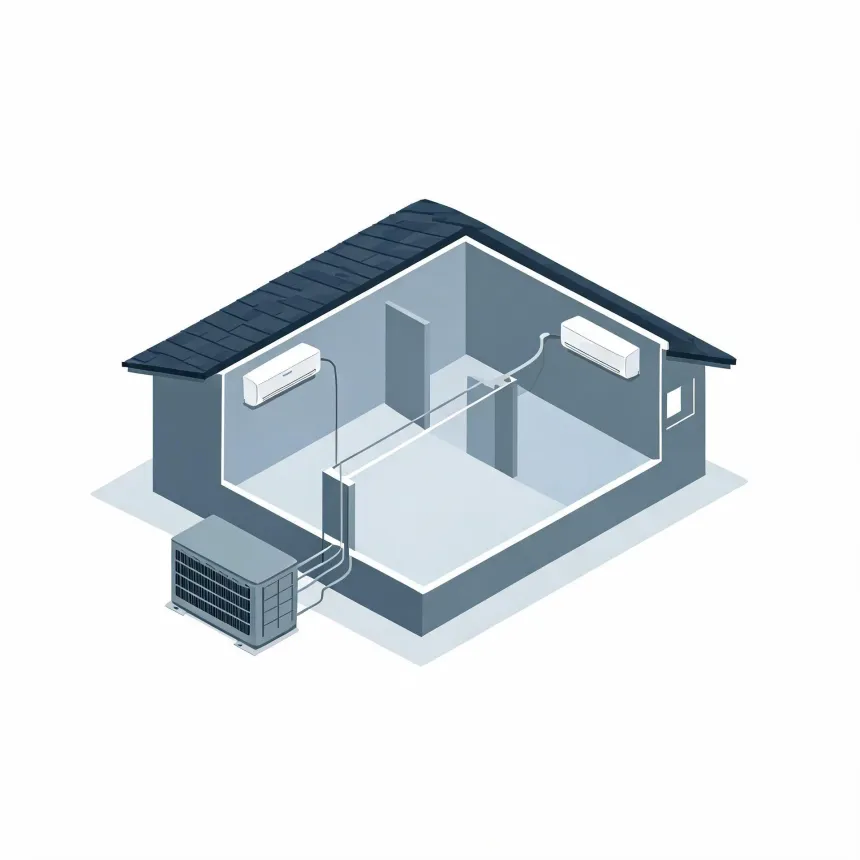
- A single outdoor unit can run one indoor head or several, depending on the system. Single-zone systems cover one room or open area. Multi-zone systems connect several indoor heads to one outdoor unit, so a home can heat and cool multiple rooms while each one gets its own thermostat setting. A contractor sizes the system to the square footage and layout of each room, since a unit too big or too small for the space will not hold temperature well.
- Can a mini split heat a whole house?
- It can, if enough zones are installed to reach every room. A multi-zone mini split heat pump can cover a whole house the same way a central heat pump does, and it still meets the same minimum efficiency, 7.5 HSPF2 for heating. Lubbock needs heat from November through April, so the system has to be sized to keep up on the coldest nights, when lows average 29°F. A contractor can work out how many indoor units a specific house needs to heat every room.