
Furnace Installation in Lubbock, TX
A new furnace here will run from November through April every year. Tell us about the house, and a licensed contractor who covers Lubbock County will get in touch.
Tell us about the job
It takes about a minute.
Six months of heat, and nights that stay near freezing
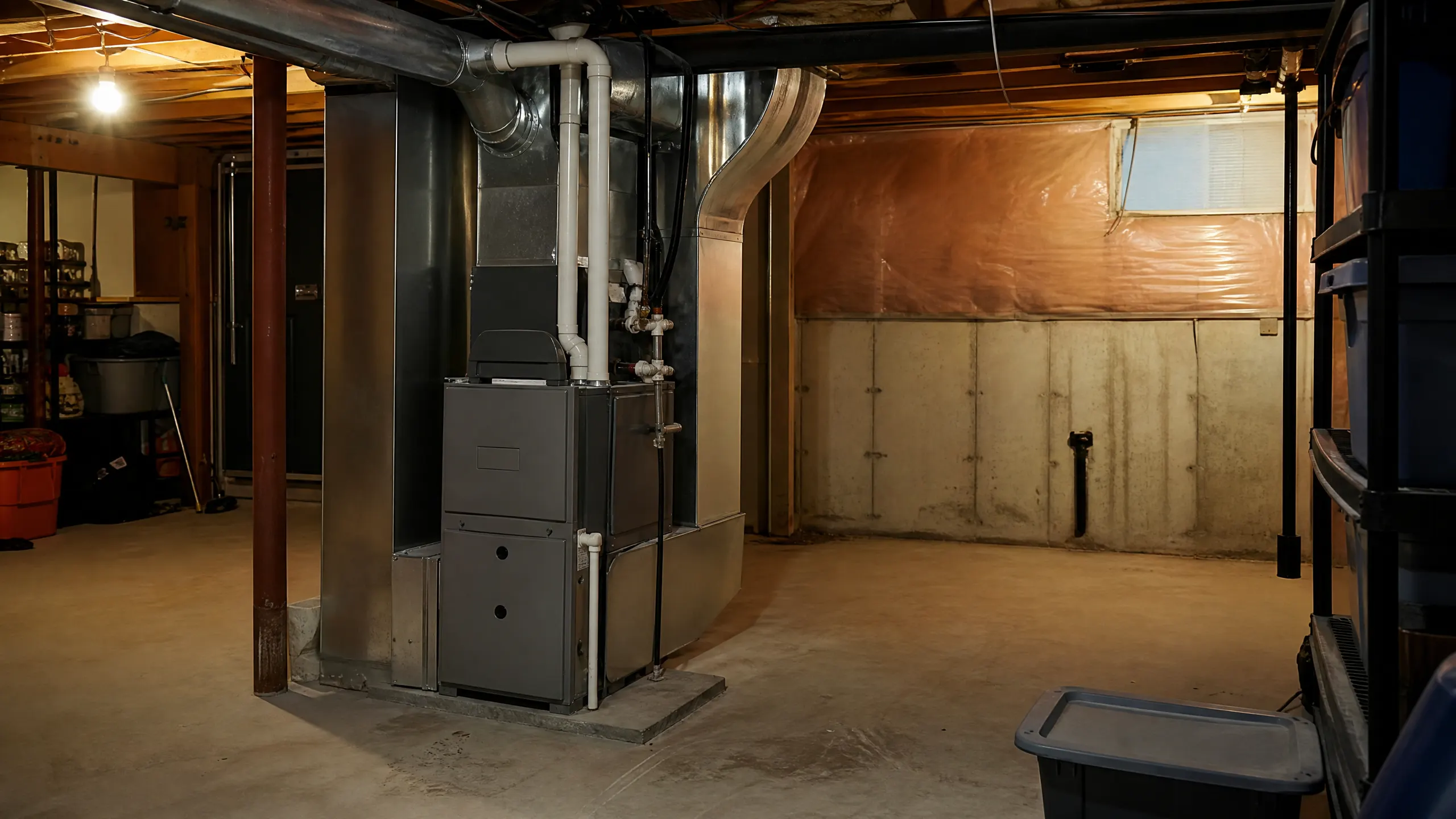
Lubbock County asks for heat from November through April. That's half the year your furnace has to work, on winter nights that average 29°F. A furnace sized and installed right for that stretch matters more here than in places where the season is shorter.
More than half of homes here heat with electricity, and Texas saw a third of households lose power for at least a day in 2024. Over the past ten years the area has logged 10 winter storms and 150 damaging wind events. A furnace installed to handle real cold, not just mild nights, is worth more when the grid is under strain. If you're installing a new gas furnace, federal rules set the floor at 80 percent AFUE for non-weatherized units, so any unit going in now has to clear that mark at minimum.
- 6 months
- November through April, your furnace is on duty
- 29°F
- the average winter night it heats against
- 80% AFUE
- the federal minimum any new unit must meet
NOAA nClimDiv, 1991–2020 normals
Texas requires HVAC contractors to hold a state license.
The license is issued to the contractor, not tied to any one job, so it covers this furnace installation the same way it covers every other job that contractor takes on. It is a state record, tied to the business, not to this address or this furnace.
For a furnace install specifically, the license is what stands behind the person doing the work, but the permit and inspection are what catch problems in the finished job. In most cities and counties around Lubbock, putting in a new furnace needs a permit from the local building office, and an inspector checks the work once it is done.
Source: Texas Department of Licensing and Regulation
- What size furnace does my house need?
- It depends on your square footage, your insulation, your windows, and your ceiling height, so there is no single number that fits every house. A contractor works this out with a load calculation, which looks at your home room by room rather than guessing from square footage alone. Going bigger than what the calculation says will not heat your home faster. It just means the furnace turns on and off more than it should, which wears it out sooner. A contractor can run this calculation and tell you the right size for your house.
- How do I know it's time to replace my furnace?
- Watch for uneven heat between rooms, a furnace that runs longer than it used to, or repairs that keep coming back. Homes here need heat from November through April, six months a year, so a furnace on its way out gets tested for most of the year, not just a few cold snaps. If yours is old and starting to act up, get a contractor to look at it before winter nights turn cold and it has to work its hardest.
- Is a high-efficiency furnace worth it?
- Every non-weatherized gas furnace sold new today has to reach at least 80 percent AFUE, so even a standard replacement is already fairly efficient. A high-efficiency furnace goes further than that minimum, which means less heat is lost out the flue and more of what you pay for ends up in the house. Homes here need heat for six months, November through April, so that difference shows up on more bills than it would somewhere with a shorter winter. Whether the higher upfront cost makes sense for your house is something a contractor can walk through with you.