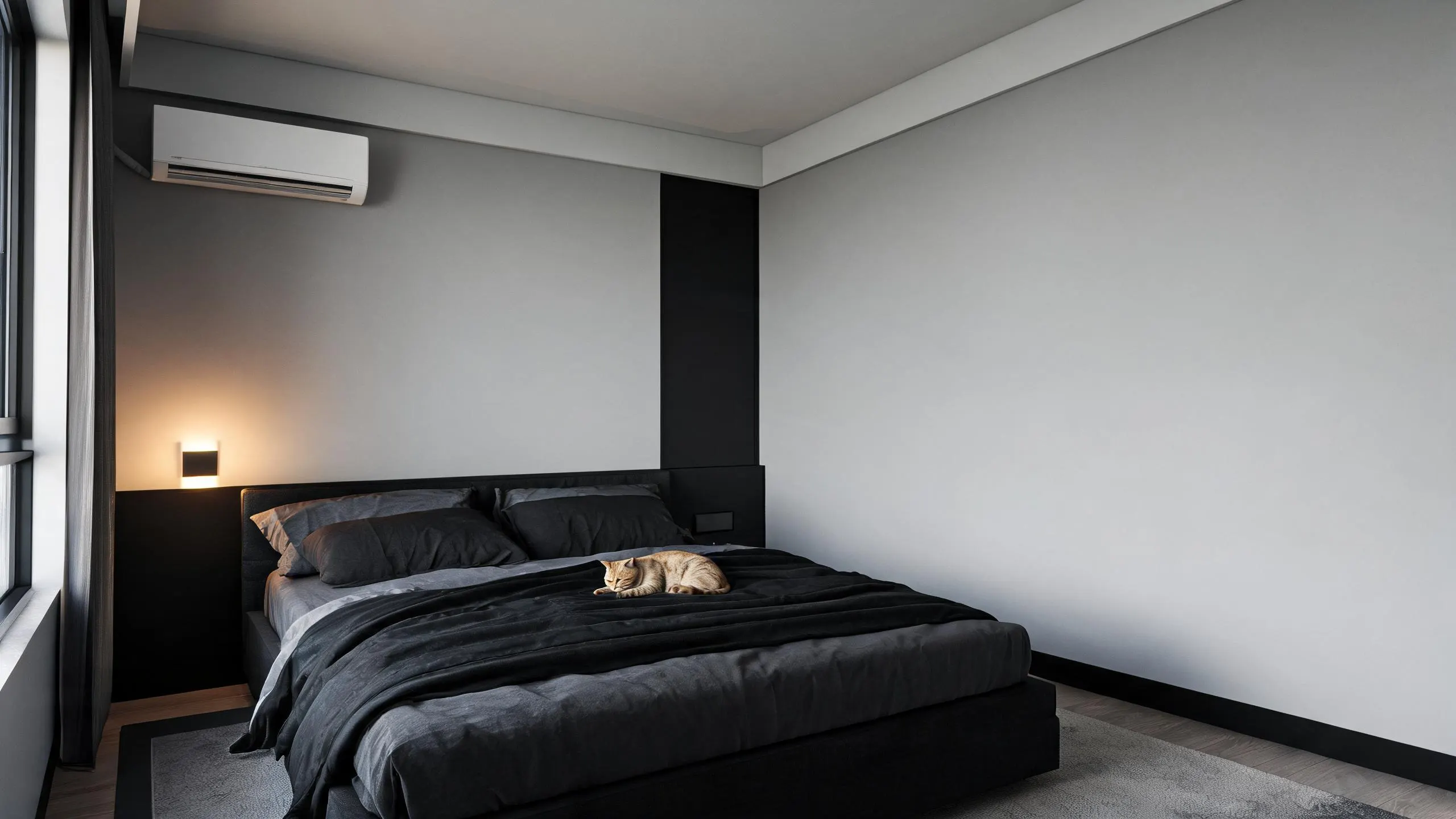
Mini Split Installation in League City, TX
A new system here will heat from December through February and cool from April through October every year. Tell us about the house, and a licensed contractor who covers Galveston County will get in touch.
Tell us about the job
It takes about a minute.
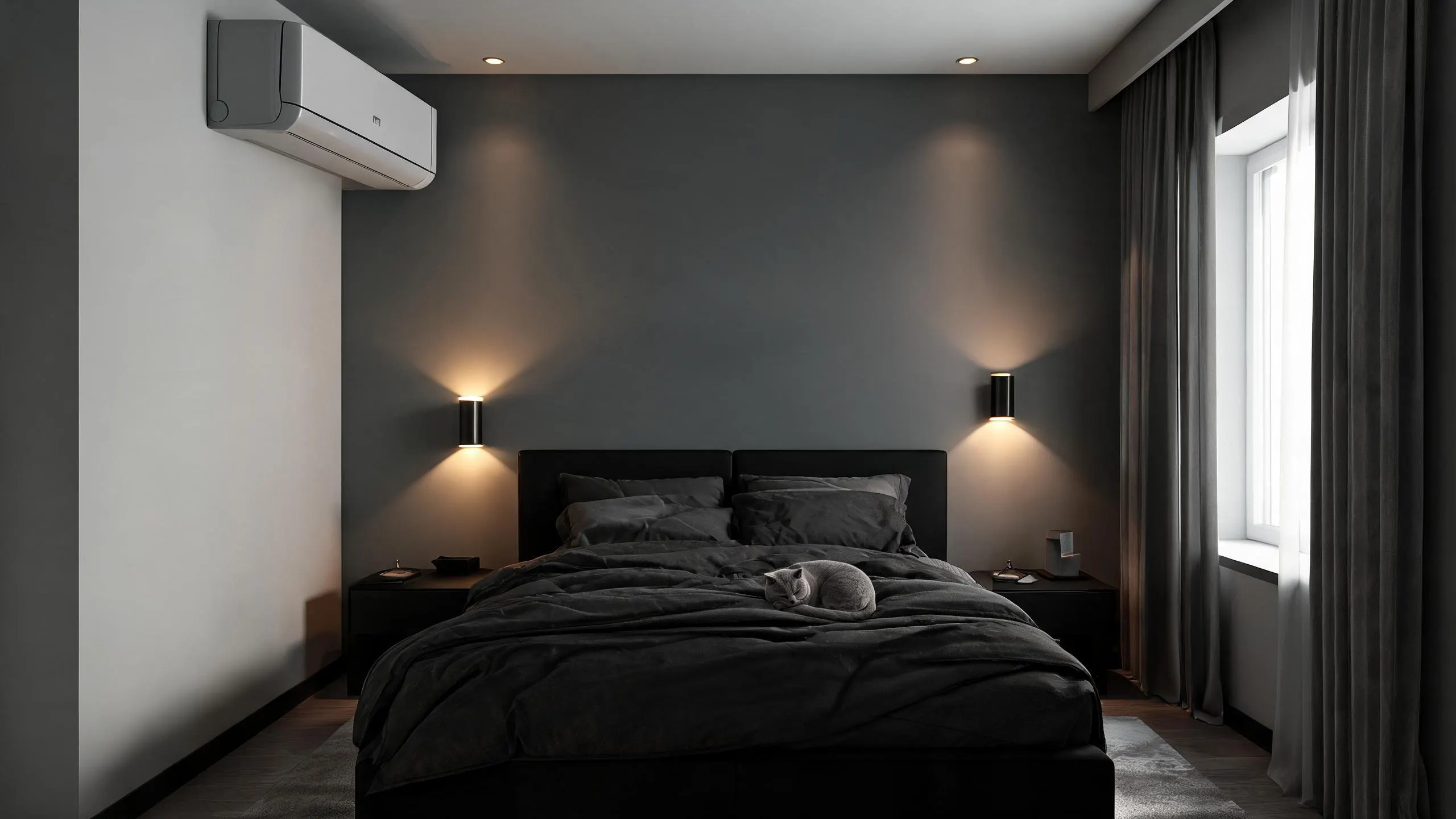
Ten months of work a year
League City asks a mini-split to run almost year round. Cooling season runs April through October, seven months of afternoons near 90°F, and winter adds three more months of nights averaging 48°F. That's ten months where the system is doing something, and not much time left over to rest.
A new unit installed here has to meet the federal minimum for a split-system heat pump, 14.3 SEER2 for cooling and 7.5 HSPF2 for heating. Over half of homes in the area heat with electricity, and Galveston County has seen 48 damaging wind events over the past ten years. Worth asking your contractor how the system handles both the long cooling season and the power outages that come with storms here.
- 3 months
- December through February, your system heats
- 7 months
- April through October, it cools
- 48°F
- the average winter night it heats against
- 90°F
- the average summer afternoon it cools against
NOAA nClimDiv, 1991–2020 normals
Texas requires HVAC contractors to hold a state license.
That license is issued to the contractor as a business, not to each job they do, so it covers the company you hire generally rather than this specific installation on paper.
For your mini-split, the license tells you the contractor was tested and is on record with the state. The part that covers this particular job is the permit. Most cities and counties in Texas require a permit for a mini-split installation and an inspection once it is done, and that inspection is what checks the actual work at your house.
Source: Texas Department of Licensing and Regulation
- Is a mini split worth it?
- For most homes here, yes. You need cooling from April through October and heat from December through February, so the unit works most of the year instead of sitting idle half the time. A mini split heats and cools from the same outdoor unit, and because it has no ducts, you lose none of the air to leaks along the way.
- How many rooms can a mini split cover?
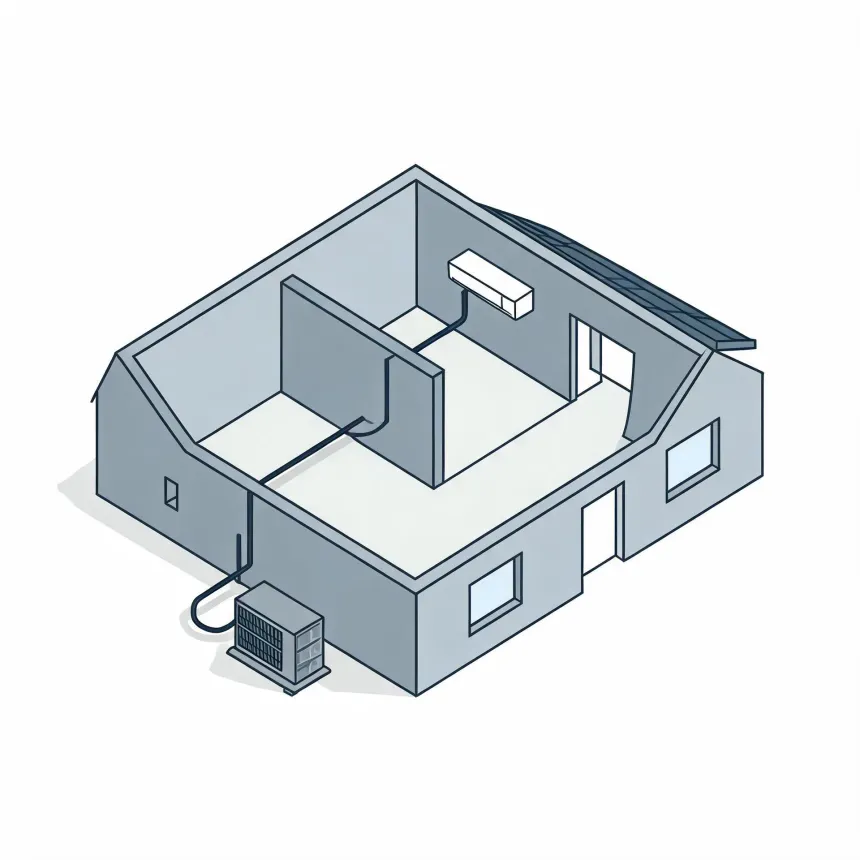
- That depends on how many indoor heads the system has. One outdoor unit can run several indoor heads, each sized for the room it serves, so a contractor will look at your square footage and layout before saying how many rooms one system can carry. Larger homes sometimes split the load across two outdoor units instead of asking one to carry the whole house.
- Can a mini split heat a whole house?
- It can, if there is an indoor head in every room that needs heat. Winter nights here average 48°F, which is well within what a mini split heat pump is built to handle. The system heats and cools room by room, so a contractor has to size and place the heads to match the whole house, not just part of it.