
HVAC Repair in El Paso, TX
Homes here need heat from November through March and cooling from May through September. If your system quits, tell us what it's doing and a licensed contractor who covers El Paso County will get in touch.
Tell us about the job
It takes about a minute.
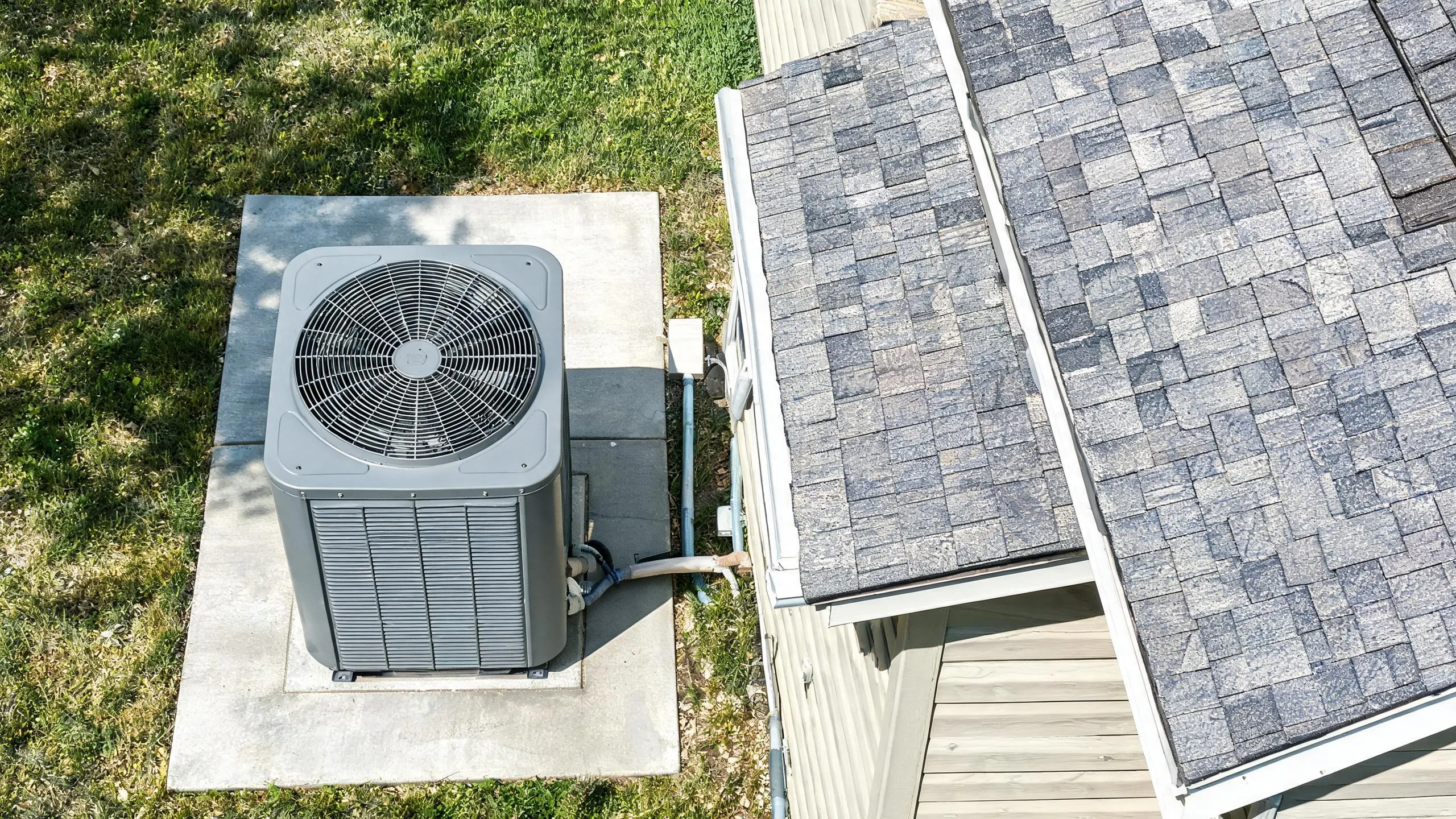
El Paso asks for both, ten months a year
Your system works most of the year here. Heat from November through March, cooling from May through September, only a couple of months off in between. Summer afternoons average 95°F, so the compressor runs hard and long through those months. Winter nights average 32°F, cold enough that the burner or heat strips are cycling on through the night.
That much runtime wears on the parts that start the system up. Most homes here heat with gas, so it is the igniter and the flame sensor taking the wear each winter. On the cooling side, the compressor and the capacitor that starts it are what give out after a summer of long runs. And when a wind event or a winter storm knocks the power out, as it has dozens of times over the past ten years here, the system has to start cold all over again the moment power returns.
- 5 months
- November through March, your system heats
- 5 months
- May through September, it cools
- 32°F
- the average winter night it heats against
- 95°F
- the average summer afternoon it cools against
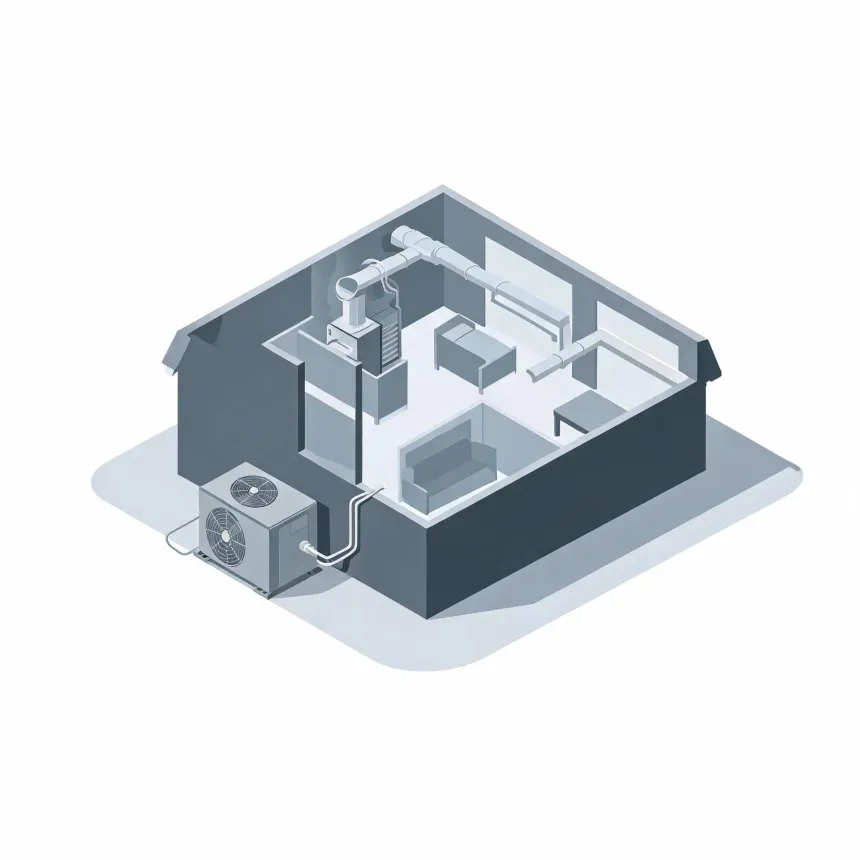
NOAA nClimDiv, 1991–2020 normals

A new furnace and air conditioner would cut about $160 a year off heating and cooling for a typical El Paso County home.
Estimates for a typical El Paso County home, compared with an older unit built to the previous federal minimum, from EIA household energy data, Texas fuel prices and NOAA climate normals. Your home will differ.
Repair makes sense when one part has failed.
Replacement makes sense when the furnace's heat exchanger is cracked, the air conditioner's compressor has failed, or repairs keep coming.
Texas requires HVAC contractors to hold a state license.
The license comes from the Texas Department of Licensing and Regulation, and it belongs to the contractor, not to any single job. It does not get issued fresh each time someone hires them. It travels with the contractor from one job to the next.
For a repair on a heating and cooling system, that license is what stands behind the work. Whoever comes out to look at your system should be able to point to that same license, no matter what the repair turns out to be.
Source: Texas Department of Licensing and Regulation
- Why is my heat not working?
- Most of the time it is the igniter, a tripped limit switch, or the thermostat set wrong. Gas furnaces need the igniter to glow or spark before the burners light, and a weak or cracked one is one of the most common reasons heat stops. Check that the thermostat is set to heat and set above room temperature, and check the breaker and any switch near the furnace that looks like a light switch. If the furnace runs but blows cold air, or does not turn on at all, a licensed contractor will need to look at it.
- Why is my system running but not cooling the house?
- A dirty air filter is the first thing to check, since a clogged one chokes off airflow and can freeze the coil. Look at the outdoor unit too. If the fan isn't spinning or the coil is covered in dirt or ice, the system can't move heat out of the house even though it's running. Set the thermostat fan to auto rather than on, since running the fan alone does not cool the air. If the filter is clean and the outdoor unit looks normal, the refrigerant charge or a part inside the system needs a contractor to check it.
- What can I check before calling for HVAC repair?
- Start with the thermostat. Make sure it's set to heat or cool as needed and the batteries are good. Check the breaker for the system and any switch near the furnace or air handler, since a flipped switch looks like a bigger problem than it is. Pull the air filter and look at it. If it's gray or thick with dust, replace it before assuming anything else is wrong. If those check out and the system still isn't heating or cooling, a licensed contractor will need to diagnose it further.