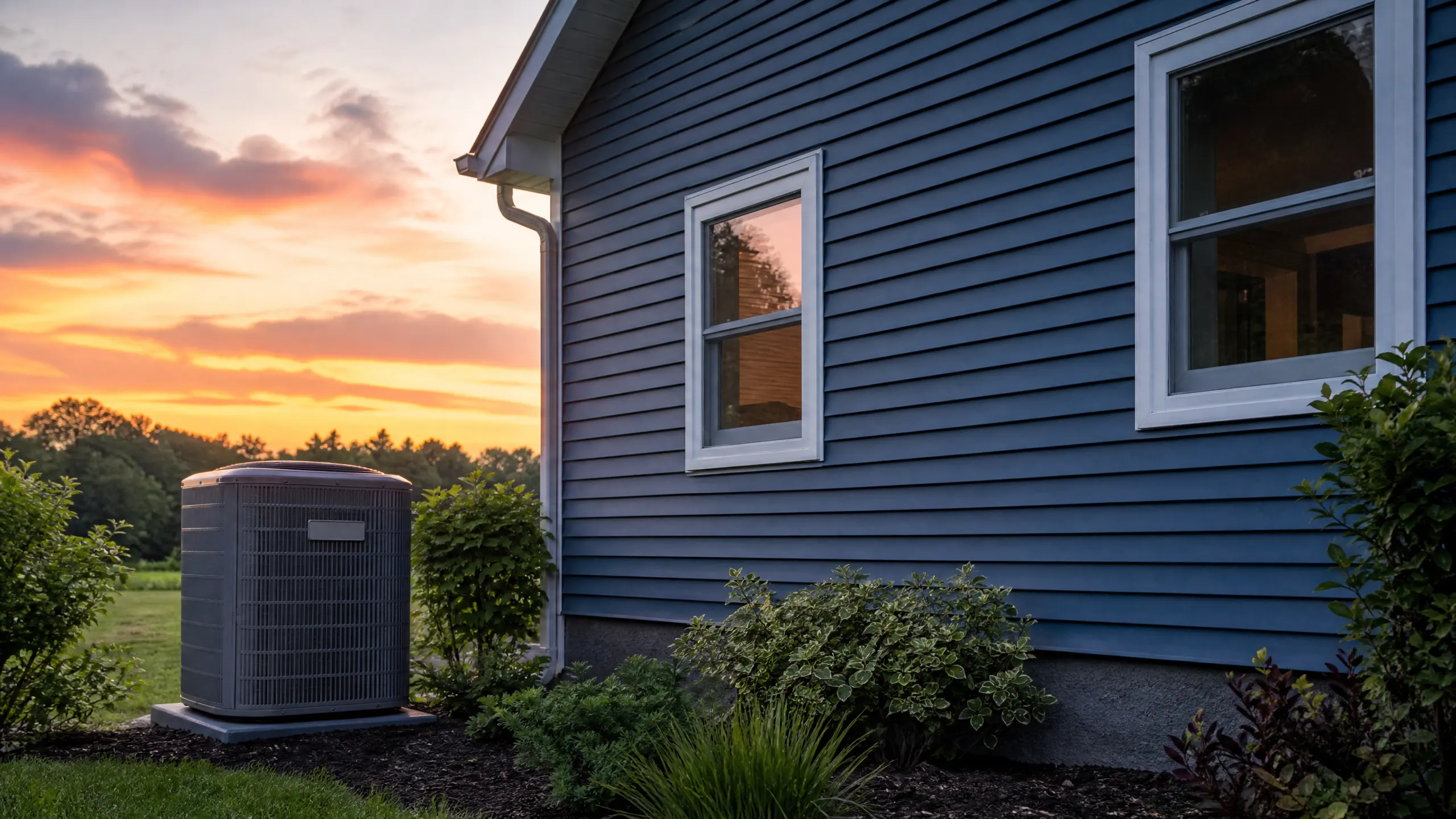
HVAC Repair in Denton, TX
Homes here need heat from November through March and cooling from May through October. If your system quits, tell us what it's doing and a licensed contractor who covers Denton County will get in touch.
Tell us about the job
It takes about a minute.

Eleven months of work, then a storm on top of it
Denton County homes need heat or cooling 11 months of the year. Summer afternoons average 94°F, and the condenser runs most of the day to keep the house down. By November the system switches over, and it spends the next five months answering winter nights that average 36°F, the furnace cycling on and off through the night to hold the temperature.
More than half the homes here heat with electricity, so the same panel and breakers that carry the summer cooling load carry the winter heat too. This area has logged 20 winter storms and 115 damaging wind events over the past ten years, and in 2024 a third of Texas households lost power for at least 24 hours. A system that runs this hard most of the year does not have much left to give when a storm knocks the power out or surges it back on.
- 5 months
- November through March, your system heats
- 6 months
- May through October, it cools
- 36°F
- the average winter night it heats against
- 94°F
- the average summer afternoon it cools against
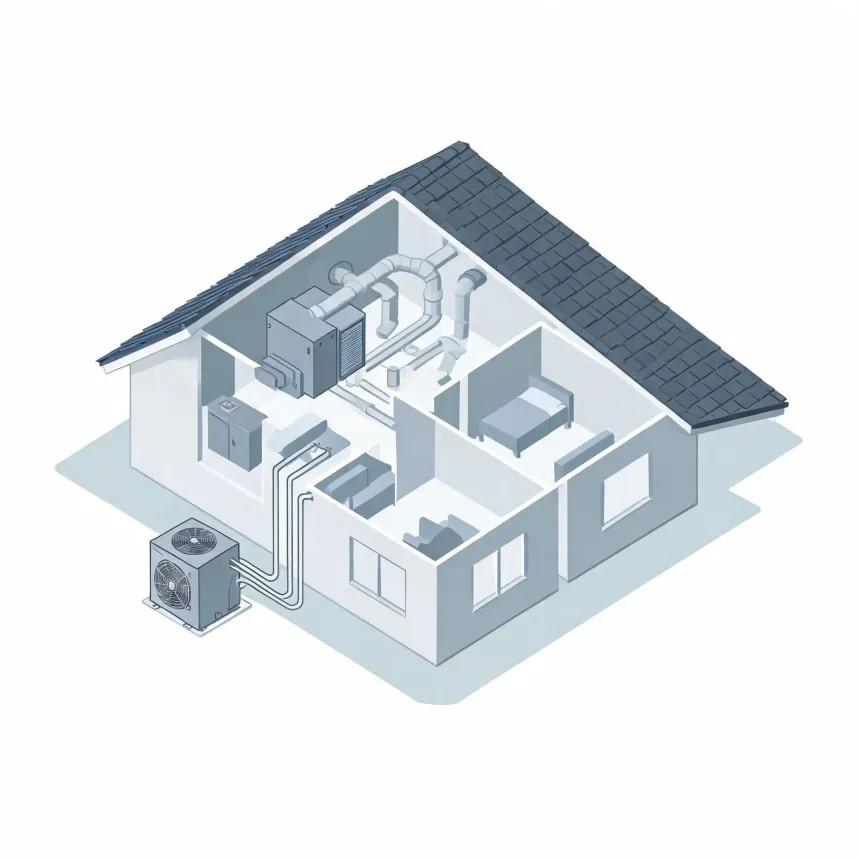
NOAA nClimDiv, 1991–2020 normals
Texas requires HVAC contractors to hold a state license.
TDLR tests contractors before handing out a license, and keeps a record of who holds one. That license belongs to the contractor, not to any single job, so the same license that covers a full system installation also covers a repair call like this one.
For a repair on your heating and cooling system, that license is what stands behind the work. Whoever shows up to fix your system should be able to point to that license, since Texas ties the credential to the contractor rather than to the job in front of them.
Source: Texas Department of Licensing and Regulation
- Why is my heat not working?
- Most often it's the igniter, a flame sensor that's dirty, or the thermostat set wrong. Check your thermostat first, make sure it's set to heat and the temperature is above room temperature. If the furnace runs but won't light, or lights and then shuts off, that points to the igniter or flame sensor, and a contractor can test both in one visit. With over half the homes here heating on electricity, a tripped breaker is also worth a look before anything else.
- Why is my system running but not cooling the house?
- Check your air filter first. A filter clogged with dust blocks airflow across the coil, and when that happens the coil can freeze over and stop cooling the air even though the system keeps running. If the filter looks fine, the next likely cause is low refrigerant from a leak, and that's not something to chase down yourself since it means opening the sealed system. Turn the thermostat to off and let the unit sit for a few hours if you see ice on the coil or lines, then call once it's thawed.
- What can I check before calling for HVAC repair?
- Start with the thermostat. Make sure it's set to heat or cool as needed, the temperature is set past room temperature, and the batteries aren't dead. Next check your breaker panel for a tripped breaker, since a lot of no-heat and no-cool calls trace back to power that never reached the unit. Look at the air filter too, and replace it if it's gray with dust, since a blocked filter can make a working system act like a broken one. If the outdoor unit has a switch nearby, confirm it's turned on, and clear any leaves or debris packed around the unit itself.