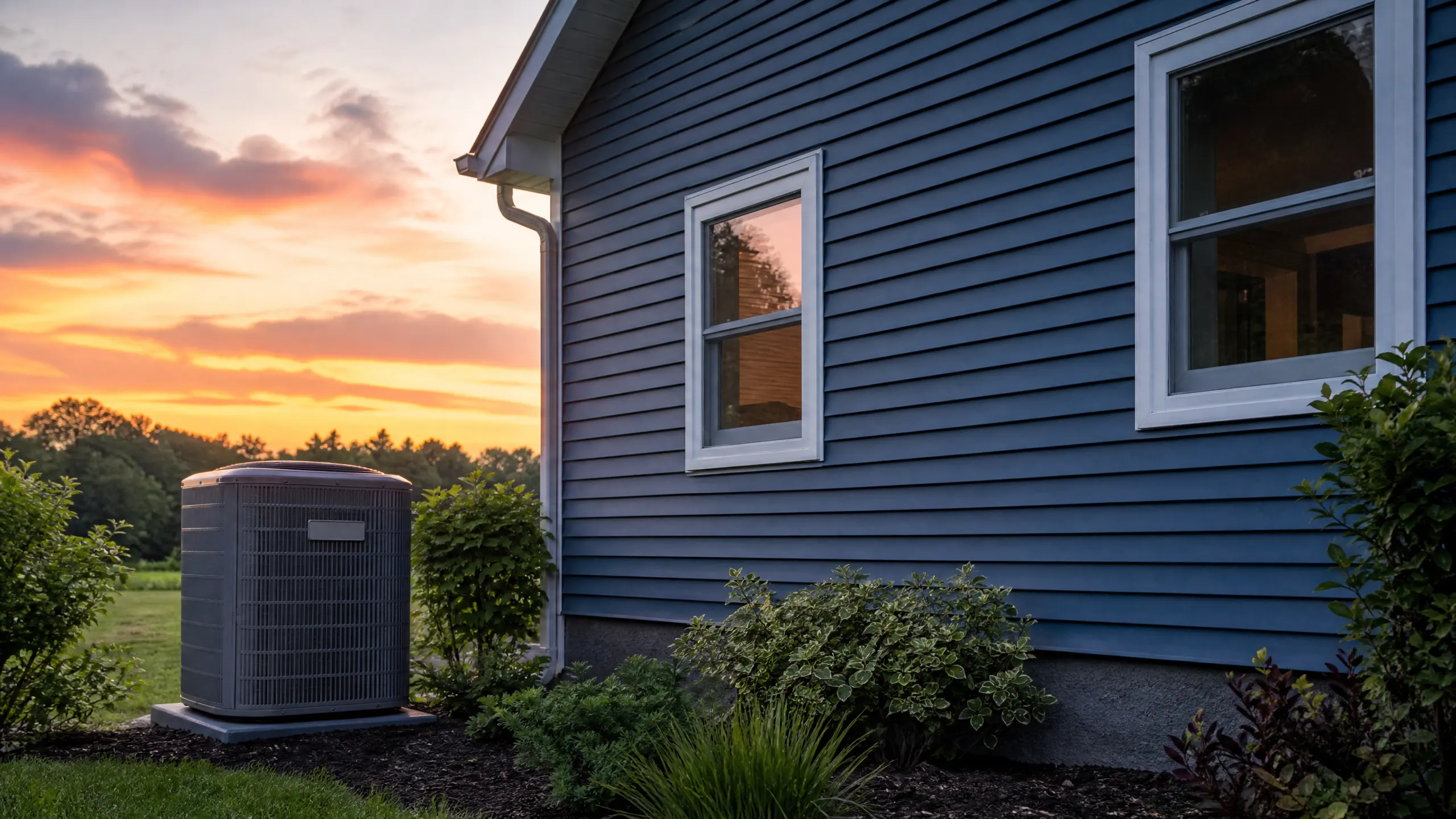
HVAC Installation in Corpus Christi, TX
A new system here will heat from December through February and cool from March through November every year. Tell us about the house, and a licensed contractor who covers Nueces County will get in touch.
Tell us about the job
It takes about a minute.

Nine months of cooling, three of heat, and storms that cut the power
Corpus Christi asks more of the cooling side. Summer afternoons average 94°F, and homes here run the air conditioner March through November, nine months out of twelve. Winter is short and mild, just December through February, with nights averaging 50°F. Add it up and something in the system is working all year.
Most homes here heat with electricity, so a new system has to hold up when the power doesn't. Nueces County has seen 85 damaging wind events and 8 winter storms in the last ten years, and across Texas a third of households lost power for at least a day in 2024. A system sized right for nine months of Gulf Coast heat and installed to code is the starting point. What happens when the grid goes down is worth asking about too.
- 3 months
- December through February, your system heats
- 9 months
- March through November, it cools
- 50°F
- the average winter night it heats against
- 94°F
- the average summer afternoon it cools against
NOAA nClimDiv, 1991–2020 normals
Texas requires HVAC contractors to hold a state license.
The Texas Department of Licensing and Regulation tests contractors before it licenses them, and it keeps a record of who holds one. That license belongs to the contractor, not to any single job, so it tells you this person or company has already been checked once, before they ever got to your house.
For a job like installing a heating and cooling system, that license is only part of it. In most cities and counties here, this work also needs a permit from the local building office, and the finished install gets inspected before anyone calls it done. The permit and inspection are separate from the state license. They exist to check the specific installation in your home, not the contractor's record.
Source: Texas Department of Licensing and Regulation
- When should I replace my HVAC system?
- Replace it when repairs stop being worth it, not on a fixed schedule. If your air conditioner or furnace is breaking down more than once a season, or a contractor tells you a repair costs a large share of what a new system would, that's your sign. An older unit works harder to do the same job, and parts get harder to find as it ages. In a place where cooling runs March through November, a failing air conditioner is not something to wait out.
- Should I replace my furnace and air conditioner at the same time?
- If both are old, yes. Your furnace and air conditioner share the same air handler and ductwork, so they're sized to work together. Replacing one and leaving an old, mismatched unit on the other side can mean the new equipment never runs the way it's supposed to. Homes here need heat for only 3 months a year and cooling for 9, so the air conditioner does most of the work and usually wears out first. A contractor can look at both and tell you if pairing them makes sense for your house.
- What happens during an HVAC installation?
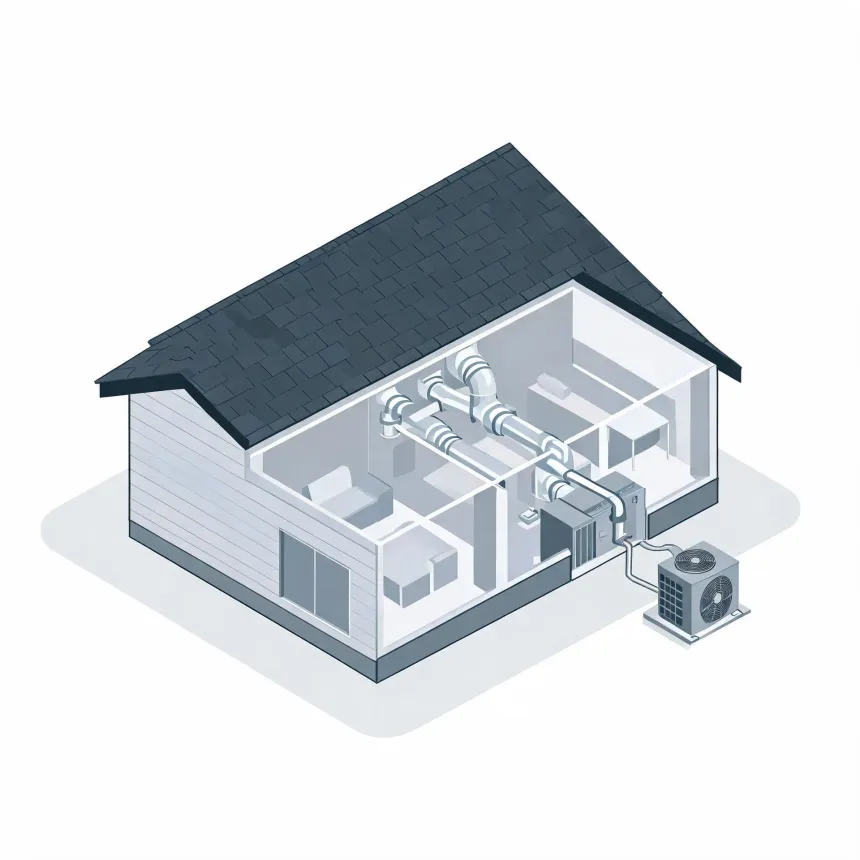
- A contractor starts by removing the old furnace, air conditioner, or both, along with any parts of the ductwork or wiring that won't work with the new equipment. They set the new unit, connect the refrigerant lines, ductwork, and electrical, then test it for proper airflow, pressure, and temperature. Before they leave, they should walk you through the thermostat and anything new about how the system runs. Texas requires the contractor doing this work to hold a state license, so ask to see it before anything starts.