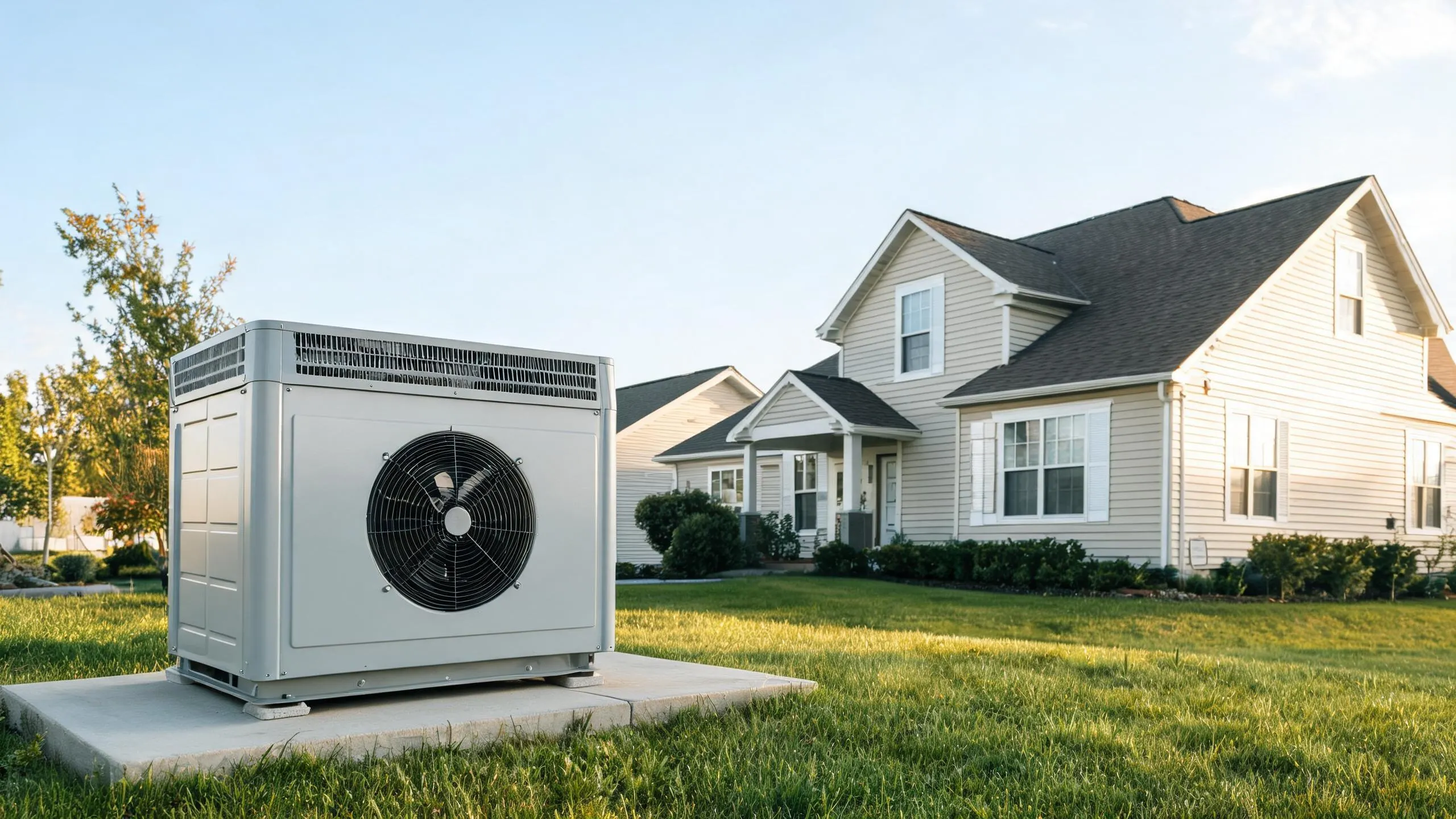
Heat Pump Repair in Corpus Christi, TX
Homes here need heat from December through February and cooling from March through November. If your system quits, tell us what it's doing and a licensed contractor who covers Nueces County will get in touch.
Tell us about the job
It takes about a minute.
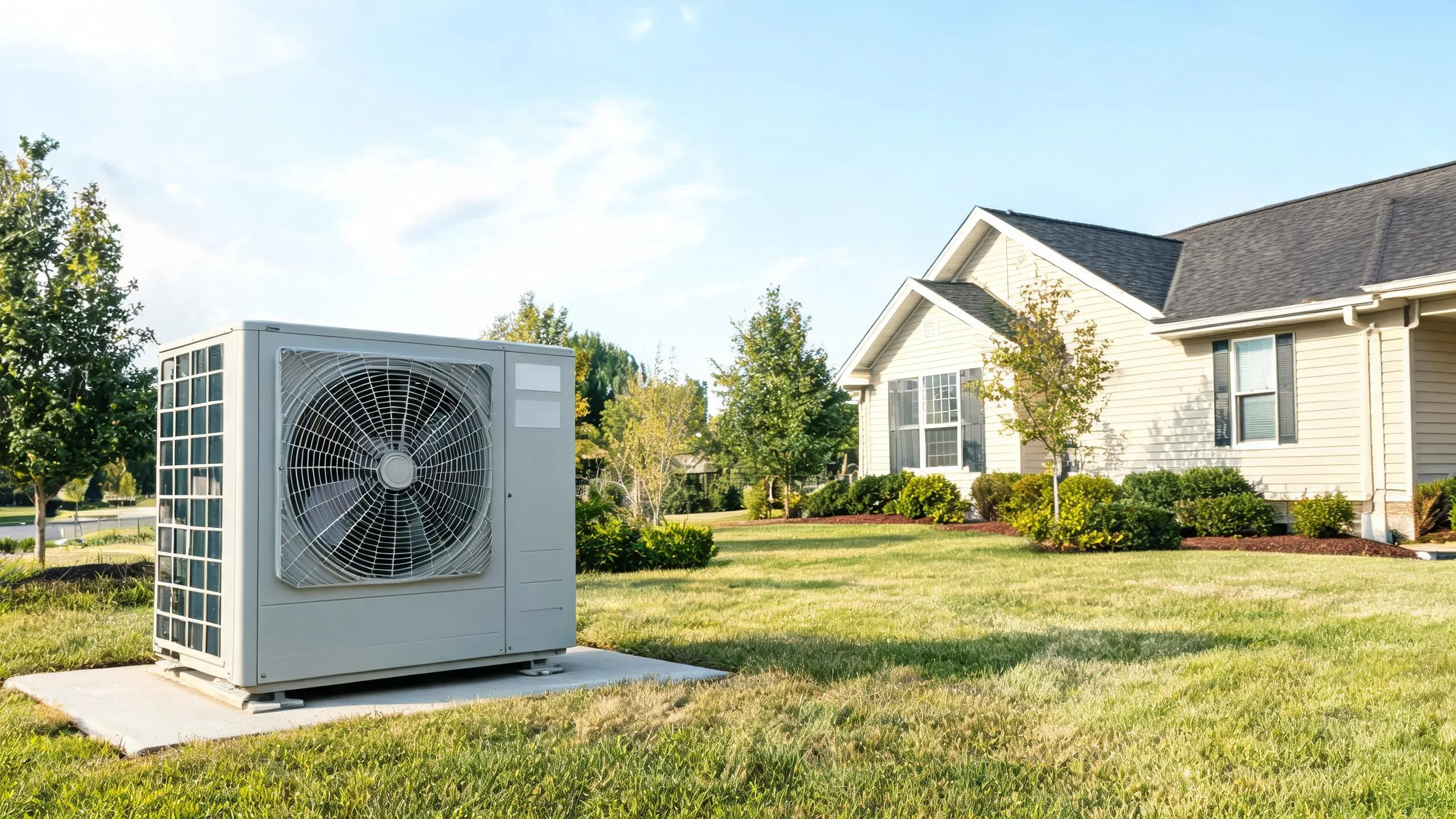
Your heat pump runs almost every day of the year
In Corpus Christi it gets three months off, December through February, and even those nights average 50°F, mild enough that the heat pump still cycles to keep up. The other nine months it's fighting summer afternoons that average 94°F. That is 12 months of the year with almost no season where the unit just sits idle.
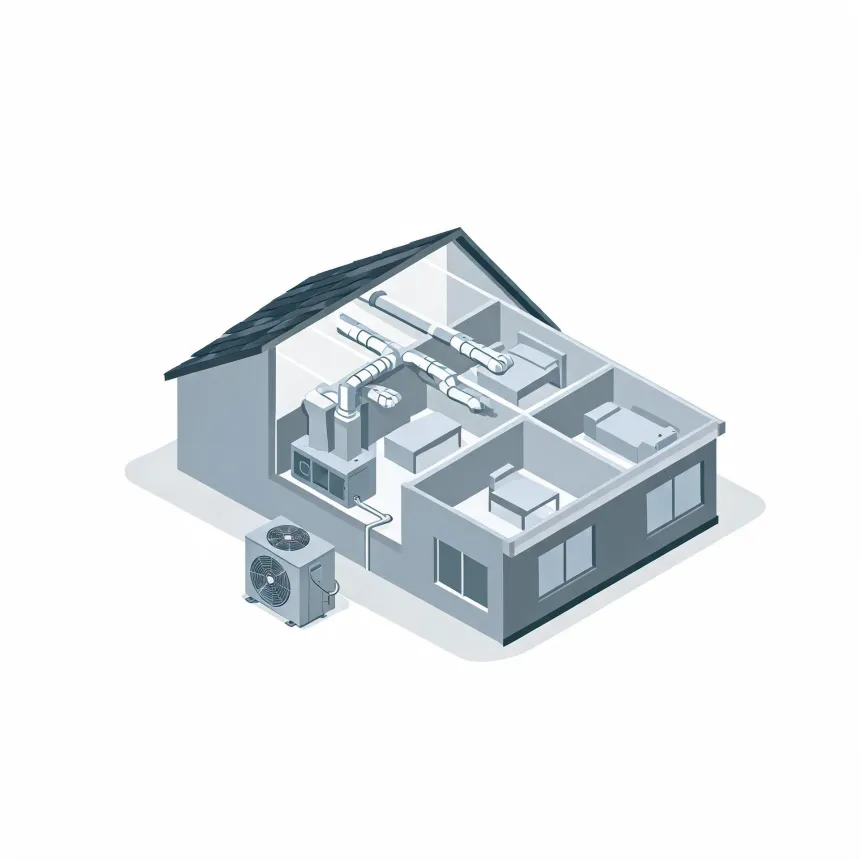
That kind of load wears on the compressor and the reversing valve, the part that switches the system between heating and cooling. Most homes here heat with electricity, so the heat pump is doing that switching often, and a reversing valve that sticks will leave you with cool air when you called for heat, or the other way around. The area has also seen 85 damaging wind events and 8 winter storms over the past ten years, and the outdoor unit takes the brunt of that. When the power drops, the system needs to come back on its own once it's restored. If it doesn't, that's usually the first thing worth checking.
- 3 months
- December through February, your system heats
- 9 months
- March through November, it cools
- 50°F
- the average winter night it heats against
- 94°F
- the average summer afternoon it cools against
NOAA nClimDiv, 1991–2020 normals
Texas requires HVAC contractors to hold a state license.
The license is issued to the contractor, not to the job itself, so it travels with the company across every heat pump they touch rather than getting reissued each time. Texas requires the contractor to hold it, which means the state has tested them and keeps a record of who they are before they ever get to your house.
A heat pump repair almost always means getting into the refrigerant side of the system, and that part of the job falls under federal rule, not the state license. Whoever opens those lines has to hold EPA Section 608 certification, and that requirement applies the same way whether the work happens in Nueces County or anywhere else in the country. Between the state license and the federal certification, both the contractor and the specific work on your system are accounted for.
Source: Texas Department of Licensing and Regulation
- Why is my heat pump blowing cold air?
- In heating mode, a heat pump's air at the vent is naturally cooler than a furnace's, often close to body temperature, so it can feel cold even when it's working right. If the air is actually cold, not just cool, check that your thermostat is set to heat and not fan only. A frozen outdoor unit, a low refrigerant charge, or a failed reversing valve will also cause this, and those need a licensed contractor to sort out.
- Why is there ice on my heat pump?
- Some frost on the outdoor unit during a cold snap is normal, and your system should melt it off on its own through a defrost cycle. If ice is building up and staying, especially at 50°F nights this time of year, the defrost control, a fan motor, or a low refrigerant charge could be behind it. Keep the area around the unit clear of leaves and debris, and have a contractor check it if the ice doesn't clear within a few hours.
- Why is my heat pump running but not cooling?
- When the outdoor unit runs but the air inside stays warm, the most common cause is a dirty air filter cutting off airflow, especially with afternoons hitting 94°F and the system working hard. Check the filter first and replace it if it's clogged. If the filter is clean, low refrigerant, a failing compressor, or a blocked outdoor coil can also stop a heat pump from cooling, and a licensed contractor will need to diagnose which one it is.