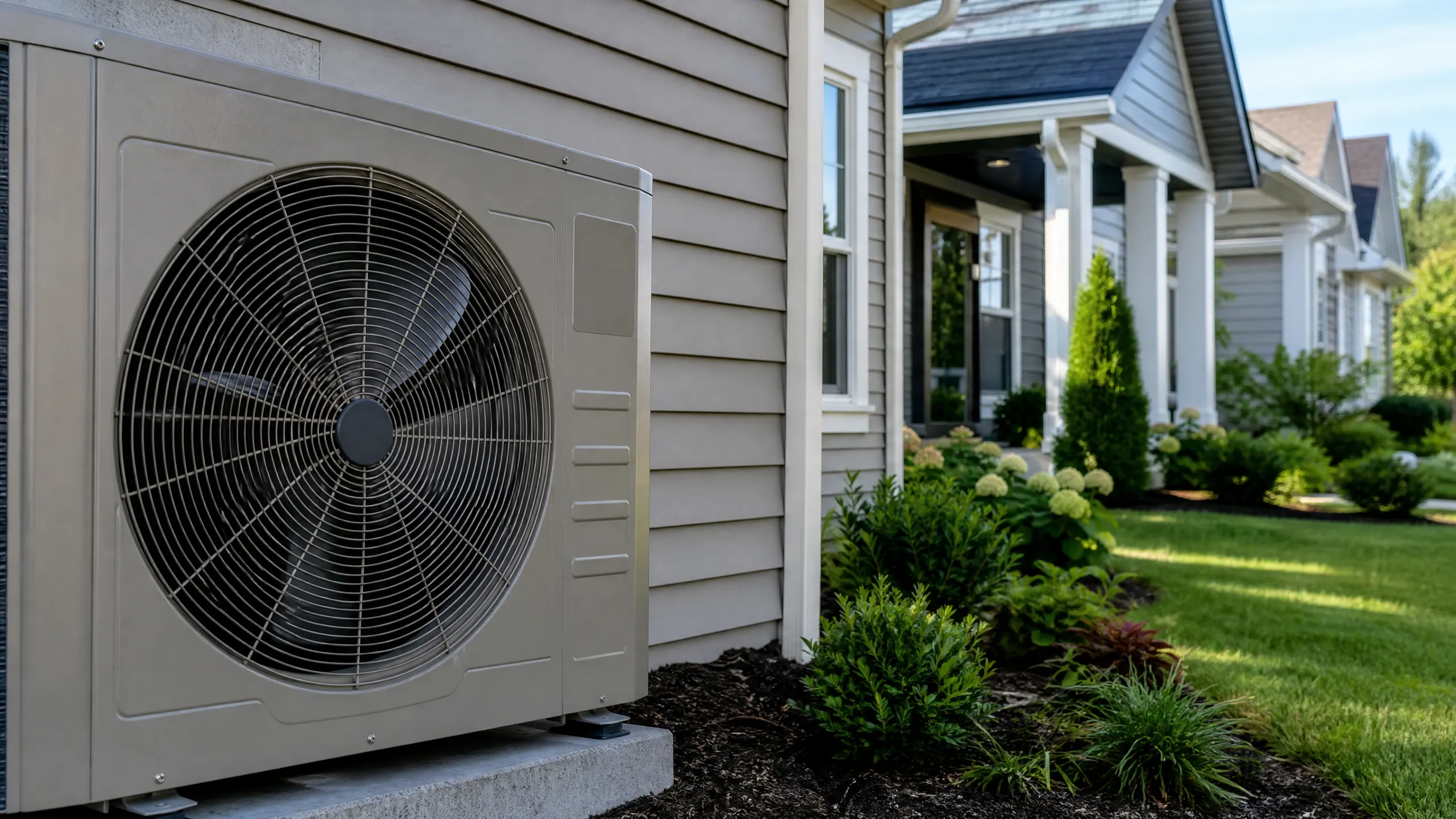
Heat Pump Repair in Tyler, TX
Homes here need heat from November through March and cooling from May through October. If your system quits, tell us what it's doing and a licensed contractor who covers Smith County will get in touch.
Tell us about the job
It takes about a minute.
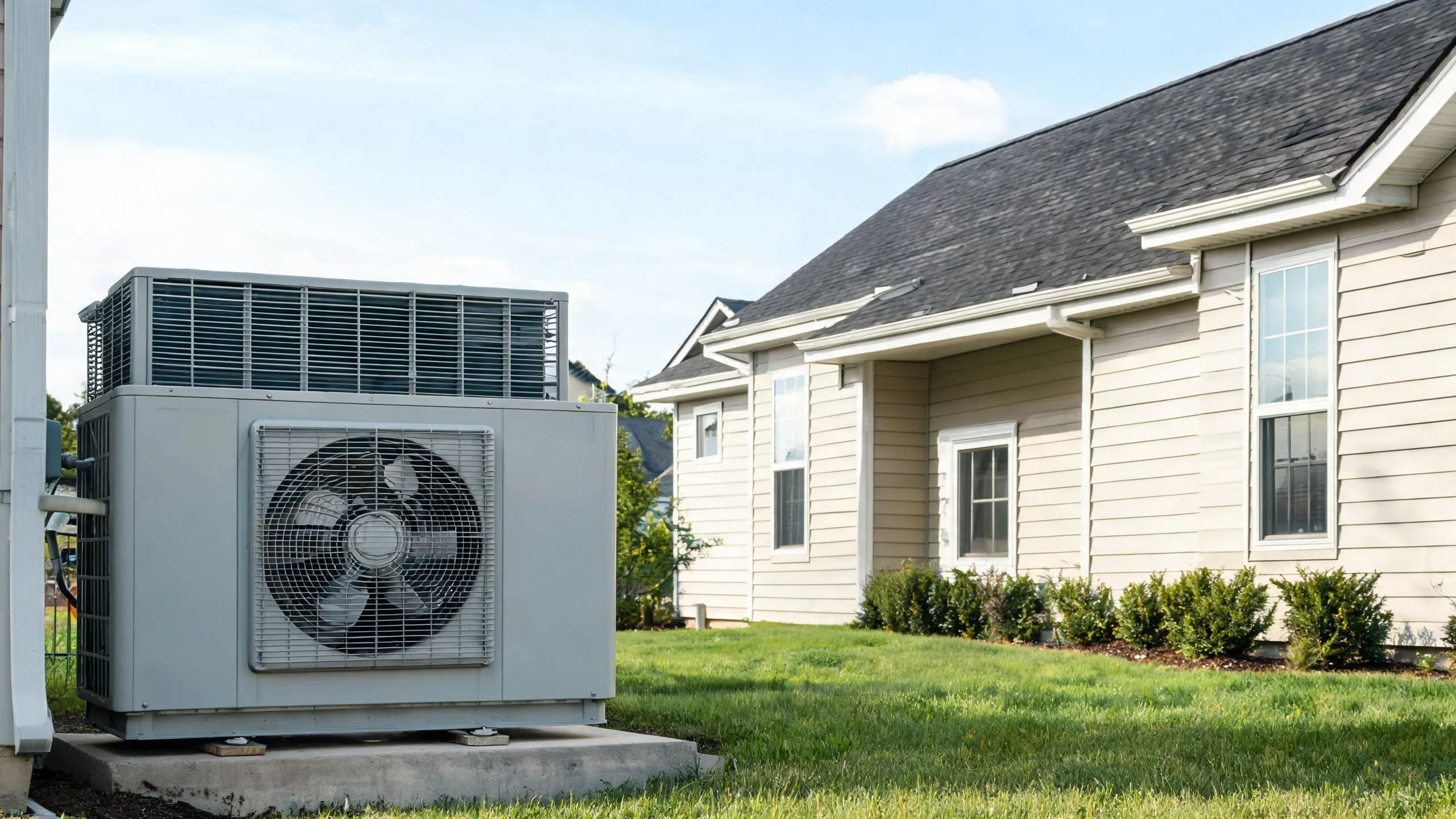
Your heat pump works almost year round in Tyler
Eleven months out of the year, your heat pump is either warming the house or cooling it down. Summer afternoons averaging 93°F push the compressor hard for six straight months, and it barely gets a rest before winter nights near 38°F put it into heating mode. That kind of switching, season after season, is what wears out a compressor before its time.
Most homes here heat with electricity, so when the power goes out, the heat pump goes with it. And in Texas, a third of households lost power for at least a day in 2024. Add in nine winter storms and 148 damaging wind events over the past ten years, and the outdoor unit takes a beating too, from ice buildup on the coil to debris thrown against the fan. When it won't come back on after a storm, or it's blowing air that isn't warm or cool enough, that's usually why.
- 5 months
- November through March, your system heats
- 6 months
- May through October, it cools
- 38°F
- the average winter night it heats against
- 93°F
- the average summer afternoon it cools against
NOAA nClimDiv, 1991–2020 normals
Texas requires HVAC contractors to hold a state license.
The license is held by the contractor, not issued job by job, so the same license that covers a new install in Smith County covers a heat pump repair. Texas Department of Licensing and Regulation tests and records the person or company holding it, which means there is a state record to check and a state body that can act on it if the work goes wrong.
A heat pump repair almost always means opening the refrigerant side of the system, and federal law requires the technician doing that to hold EPA Section 608 certification, no matter what state they work in. That certification is separate from the Texas license. One says the state tested this contractor and keeps a record of them. The other says the person handling refrigerant is qualified to do it under federal rule.
Source: Texas Department of Licensing and Regulation
- Why is my heat pump blowing cold air?
- In heating mode, your heat pump is not supposed to feel as hot as a furnace, so mild warm air can be normal. If the air feels genuinely cold, check your thermostat is set to heat and not fan only, since fan only just circulates room air. A dirty filter or low refrigerant can also keep the outdoor unit from pulling in enough heat, and if the filter looks clean, a contractor will need to check refrigerant charge.
- Why is there ice on my heat pump?
- A heat pump forms some frost during defrost cycles, especially on cold nights, and it should clear on its own within an hour or so. If ice is building up thick or staying on the coil, the unit likely is not defrosting properly, which can come from a failed defrost control, a stuck reversing valve, or low refrigerant. Airflow problems, like a dirty filter or blocked outdoor coil, also cause ice to form faster than the system can melt it off. Do not chip at the ice yourself, since the coil fins bend easily and a contractor will need to find why the defrost cycle is not working.
- Why is my heat pump running but not cooling?
- If the unit is running but the air is not cold, the most common causes are a dirty filter blocking airflow, a frozen coil, or refrigerant that has leaked out. On a 93°F afternoon, an undercharged system can run for hours without ever bringing the house down to temperature. Check the filter first, since that is the one thing you can rule out yourself. If the filter is clean and the coil is not iced over, the refrigerant charge or a failing compressor is likely the issue, and a contractor will need to check the pressures to know which.