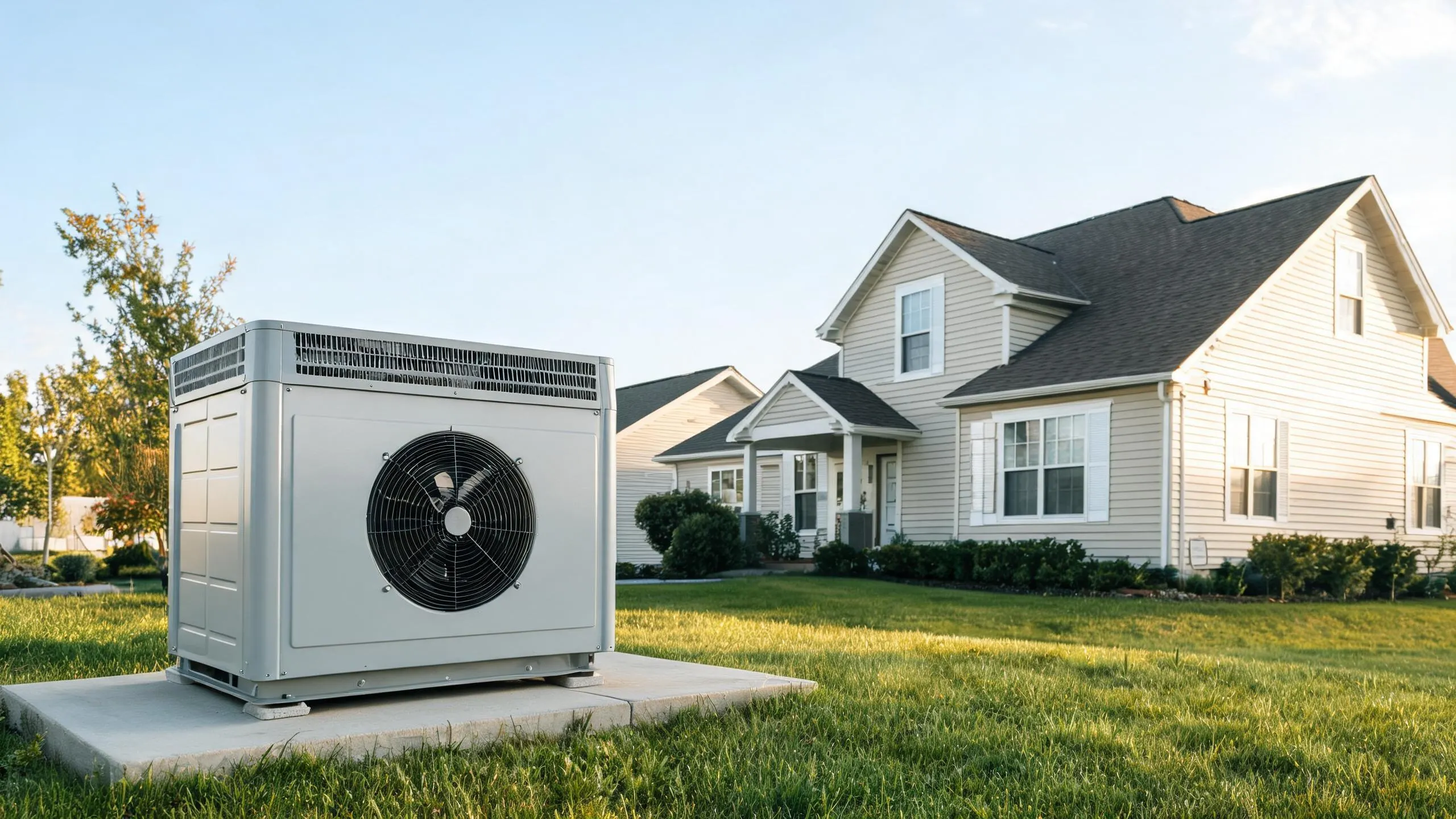
Heat Pump Installation in Tyler, TX
A new system here will heat from November through March and cool from May through October every year. Tell us about the house, and a licensed contractor who covers Smith County will get in touch.
Tell us about the job
It takes about a minute.
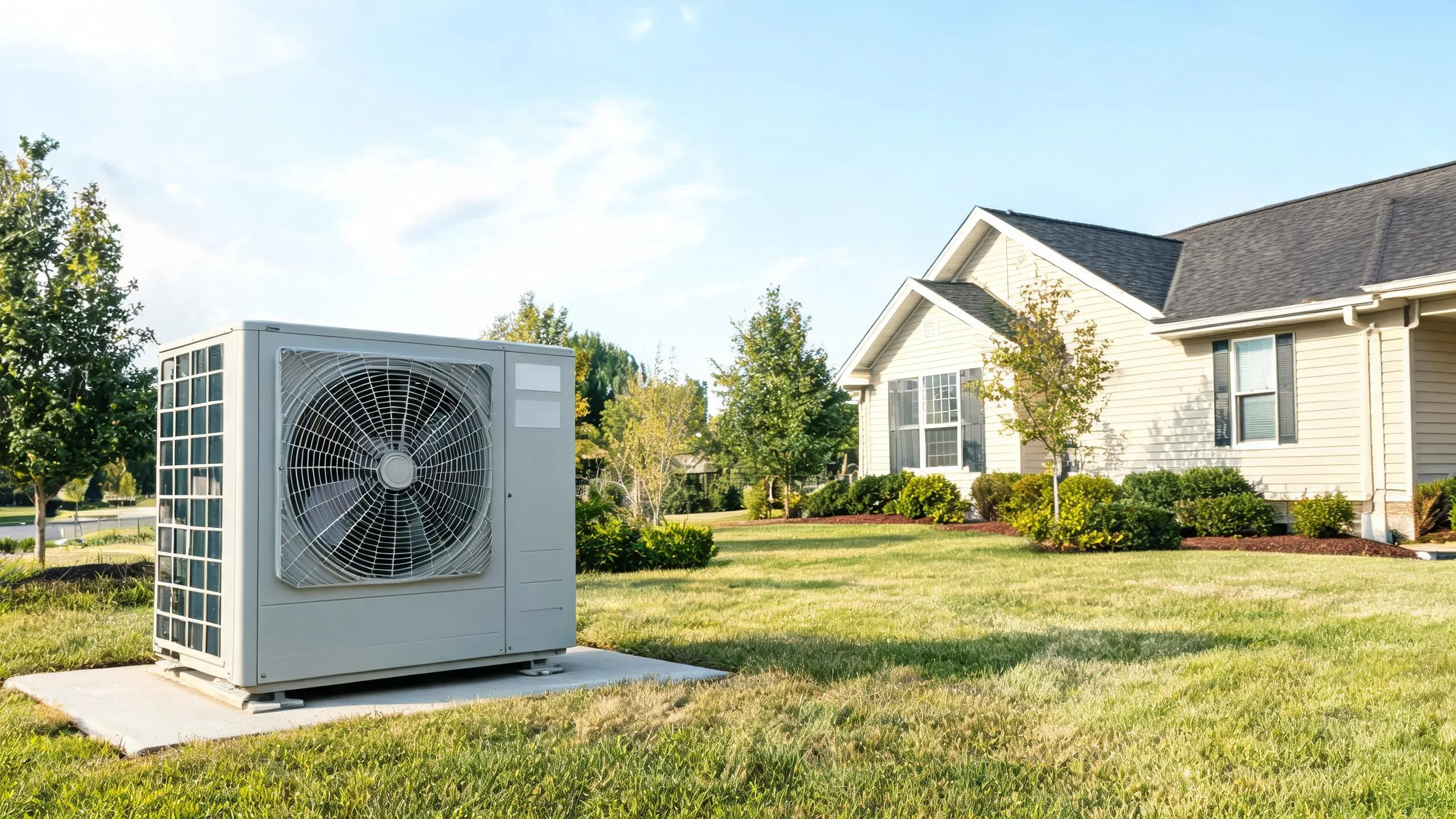
Eleven months of work a year for one machine
In Smith County your heat pump does not get much of a break. Winters average 38°F at night from December through February, mild enough that a heat pump can handle the load without much help. Summers run hot, with afternoons averaging 93°F from May through October. Between the two, the unit is running heat or cooling eleven months of the year.
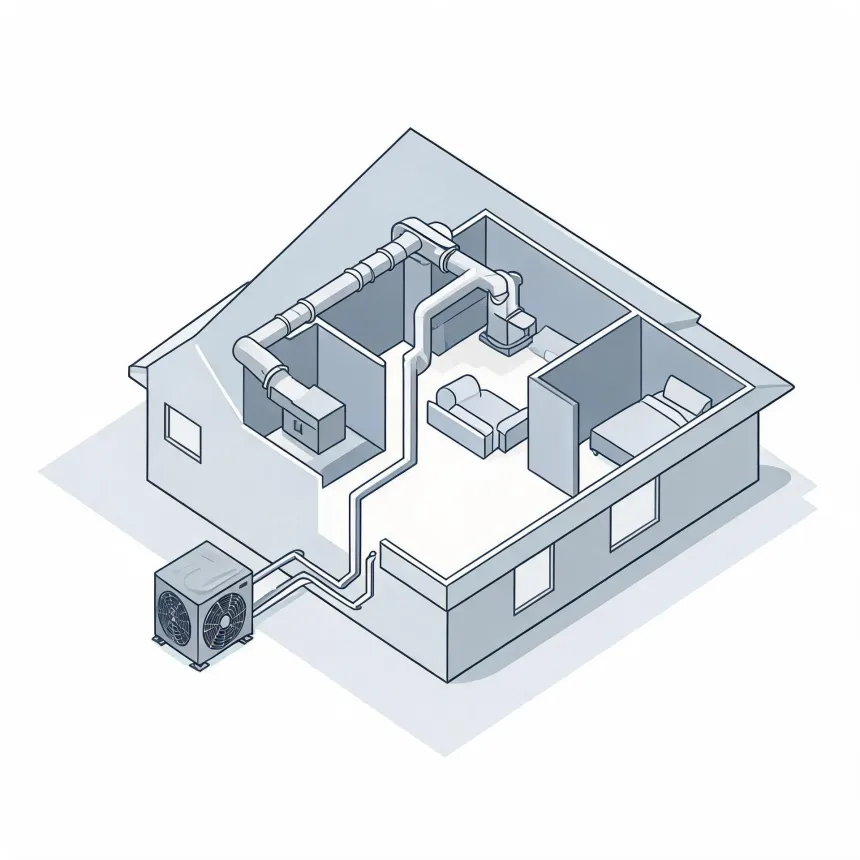
A new split-system heat pump installed here has to meet federal minimums of 14.3 SEER2 for cooling and 7.5 HSPF2 for heating, and in Tyler it earns its keep on both ends. Storms are part of the picture too. Smith County has seen 148 damaging wind events and 9 winter storms over the past ten years, and statewide, a third of households lost power for at least a day in 2024. A heat pump that comes back on by itself when the power returns matters here.
- 5 months
- November through March, your system heats
- 6 months
- May through October, it cools
- 38°F
- the average winter night it heats against
- 93°F
- the average summer afternoon it cools against
NOAA nClimDiv, 1991–2020 normals
Texas requires HVAC contractors to hold a state license.
The Texas Department of Licensing and Regulation issues that license after testing the contractor, and it keeps a record of who holds one. The license belongs to the contractor, not to any single job, so it tells you this person met the state's standard before they ever showed up at your house, not that this particular installation was checked.
That check comes from your local building office. A heat pump installation needs a permit in most cities and counties, and an inspector looks at the completed work before it's signed off. The license tells you the contractor was tested. The permit and inspection tell you this job was looked at.
Source: Texas Department of Licensing and Regulation
- Is a heat pump better than a furnace?
- It depends on what you're heating with now. A heat pump moves heat instead of burning fuel to make it, so it can also cool your home in summer, which a furnace can't do. Here winters average 38°F at night, mild enough that a heat pump keeps up without much strain. If you're on electric heat already, a heat pump usually does the same job more efficiently and covers your cooling too.
- What's the difference between a heat pump and an air conditioner?
- An air conditioner only cools. A heat pump cools the same way in summer, but it can also run in reverse to heat your home in winter. Mechanically they're close cousins, both use a compressor and refrigerant to move heat, but the heat pump has a reversing valve that lets it pull heat from outside air and bring it indoors.
- Does a heat pump work in cold weather?
- Yes, a heat pump keeps working in cold weather, though it works harder and pulls less heat from the air as the temperature drops. Winter nights here average 38°F, which is well within the range a heat pump handles without trouble. Most heat pumps also have backup electric heat strips that kick in on the coldest nights to keep the house warm.