
Mini Split Installation in College Station, TX
A new system here will heat from November through March and cool from April through October every year. Tell us about the house, and a licensed contractor who covers Brazos County will get in touch.
Tell us about the job
It takes about a minute.
College Station asks for both, most of the year
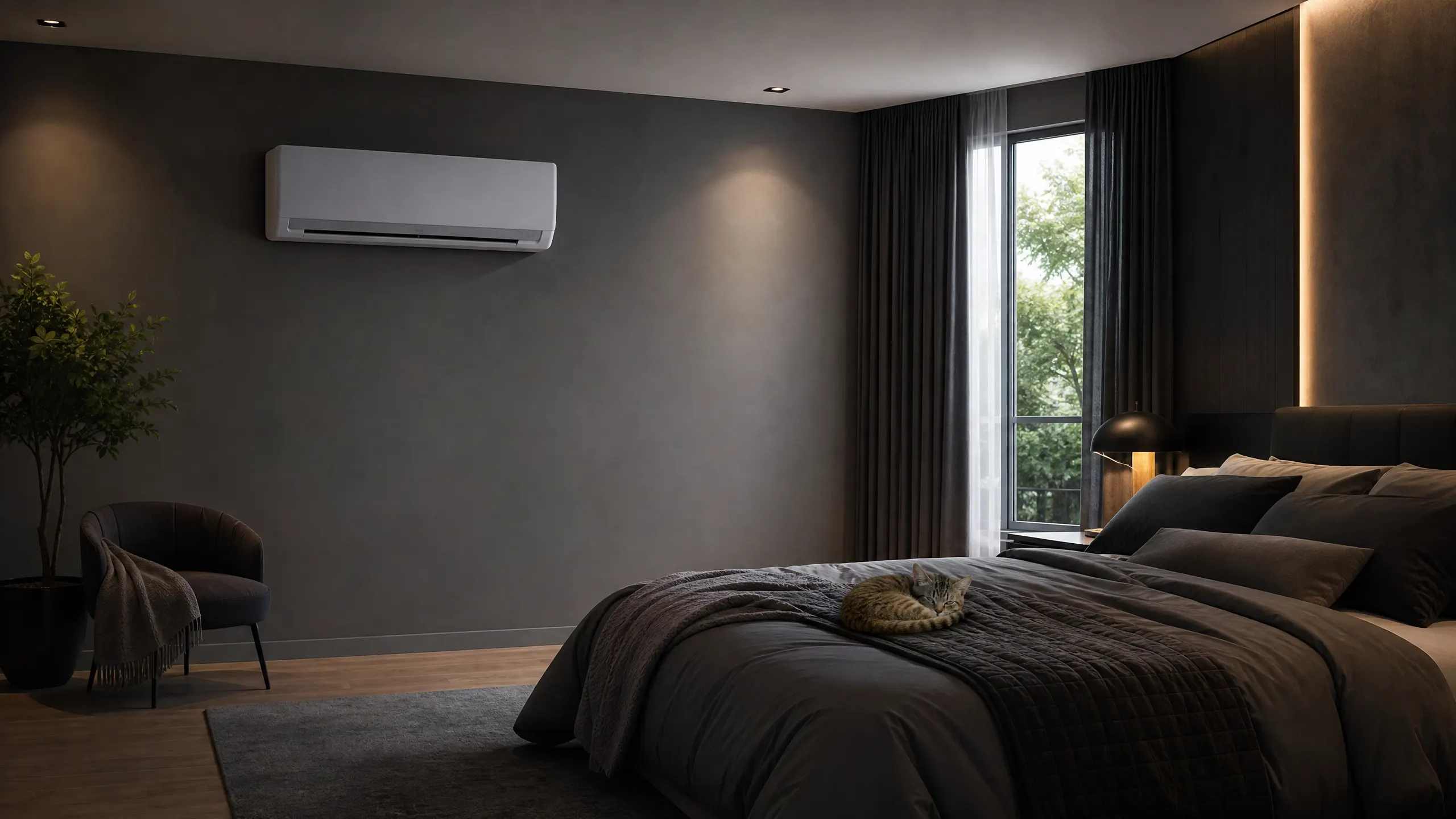
Your mini-split works almost every month here. Summer afternoons average 94°F from April through October, seven months of cooling, and winter nights average 41°F from November through March. That's twelve months of one or the other, with barely a break between seasons.
Any mini-split installed new has to meet the federal minimum for a split-system heat pump, 14.3 SEER2 for cooling and 7.5 HSPF2 for heating. In a climate that leans on cooling this hard, the SEER2 side of that rating is the one your unit will earn its keep on. Texas also sees its share of power gone out, storms included, and a mini-split brings the house back to temperature fast once the power is back, no long recovery like some systems need.
- 5 months
- November through March, your system heats
- 7 months
- April through October, it cools
- 41°F
- the average winter night it heats against
- 94°F
- the average summer afternoon it cools against
NOAA nClimDiv, 1991–2020 normals
Texas requires HVAC contractors to hold a state license.
TDLR issues the license and keeps the record of who holds one, but that record follows the contractor, not the specific job. A licensed contractor in Brazos County can take on your mini-split install today and someone else's furnace tomorrow under the same license.
For the mini-split itself, the license tells you the contractor was tested by the state. What it does not do is inspect the install. That comes from the local building office, which in most cities and counties requires a permit for this kind of work and checks it once the unit is in. That inspection is what confirms the line set, the electrical connection, and the mounting were done right, separate from whatever the license already covers.
Source: Texas Department of Licensing and Regulation
- Is a mini split worth it?
- For a lot of homes here, yes. A mini split handles both sides of the year, since College Station needs cooling from April through October and heat the rest of the year. It also works as a backup when the power grid is strained, and that matters here since a third of Texas households went at least 24 hours without power in 2024. The main case against one is a home that already has good ductwork and an efficient central system, where adding a mini split may not gain much.
- How many rooms can a mini split cover?
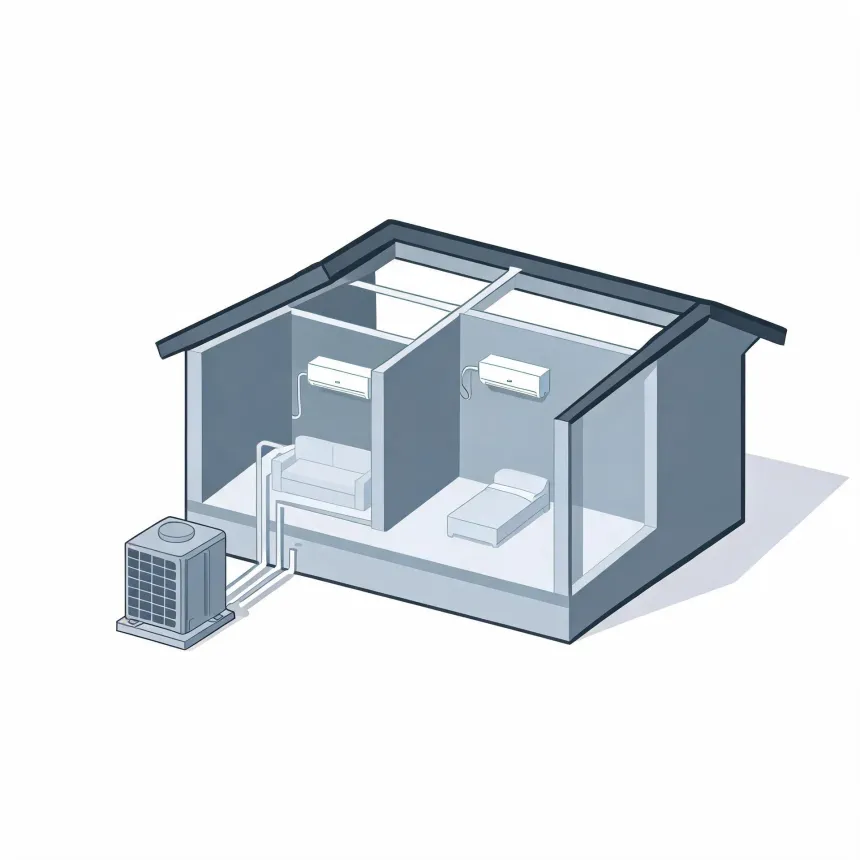
- A single indoor unit is built for one room or one open space. If you need more rooms covered, a multi-zone system runs several indoor heads off one outdoor unit, and each head is sized and placed for the room it serves. A contractor can tell you how many zones your house needs and where each indoor unit should go.
- Can a mini split heat a whole house?
- It can, if the system is sized and laid out for the whole house rather than just one or two rooms. That means a multi-zone setup with an indoor unit in each area that needs heat, matched to a heat pump rated to handle winter lows near 41°F. A contractor will size the system room by room rather than guess at one number for the whole house.