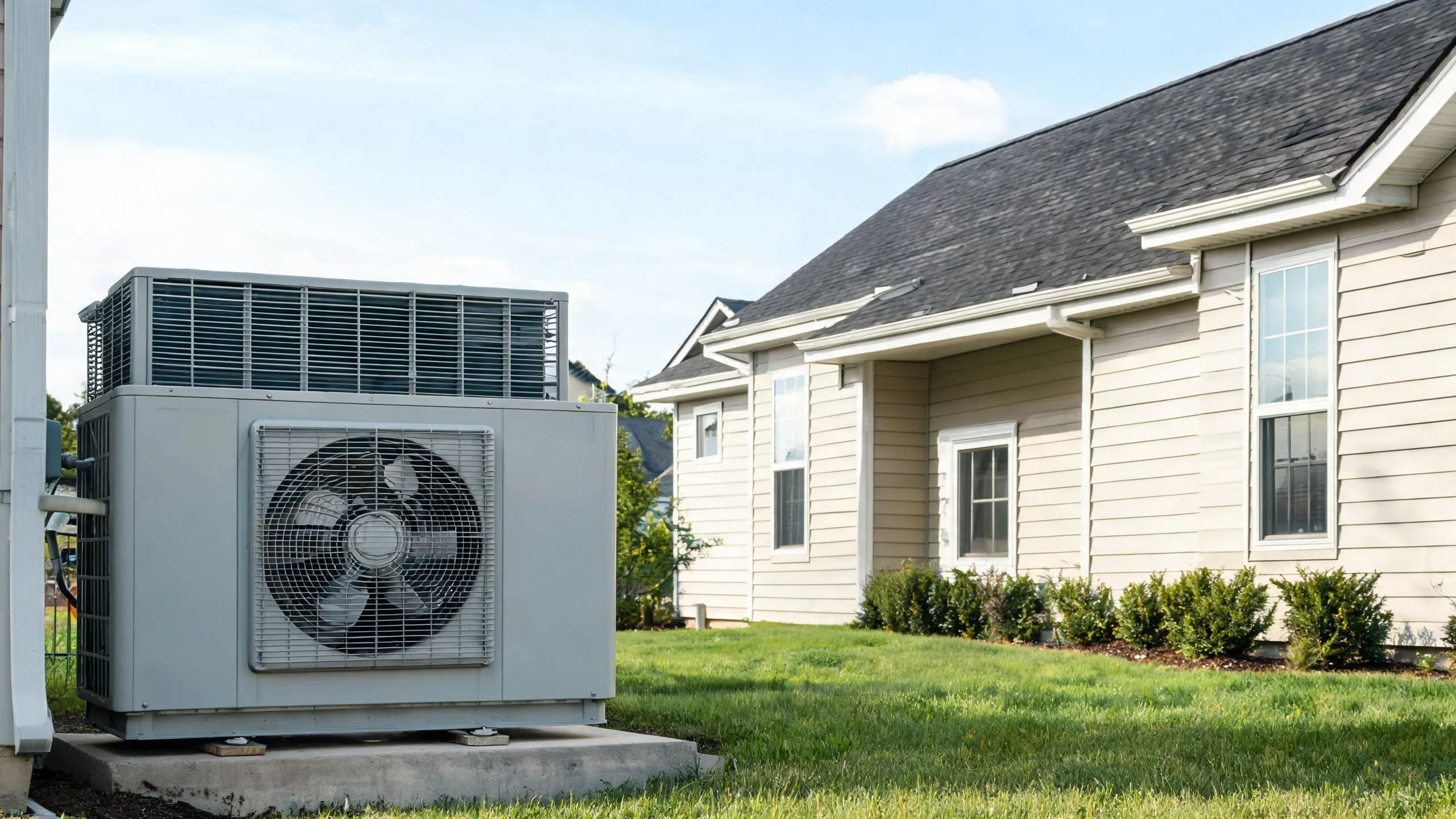
Heat Pump Installation in San Antonio, TX
A new system here will heat from November through March and cool from April through October every year. Tell us about the house, and a licensed contractor who covers Bexar County will get in touch.
Tell us about the job
It takes about a minute.
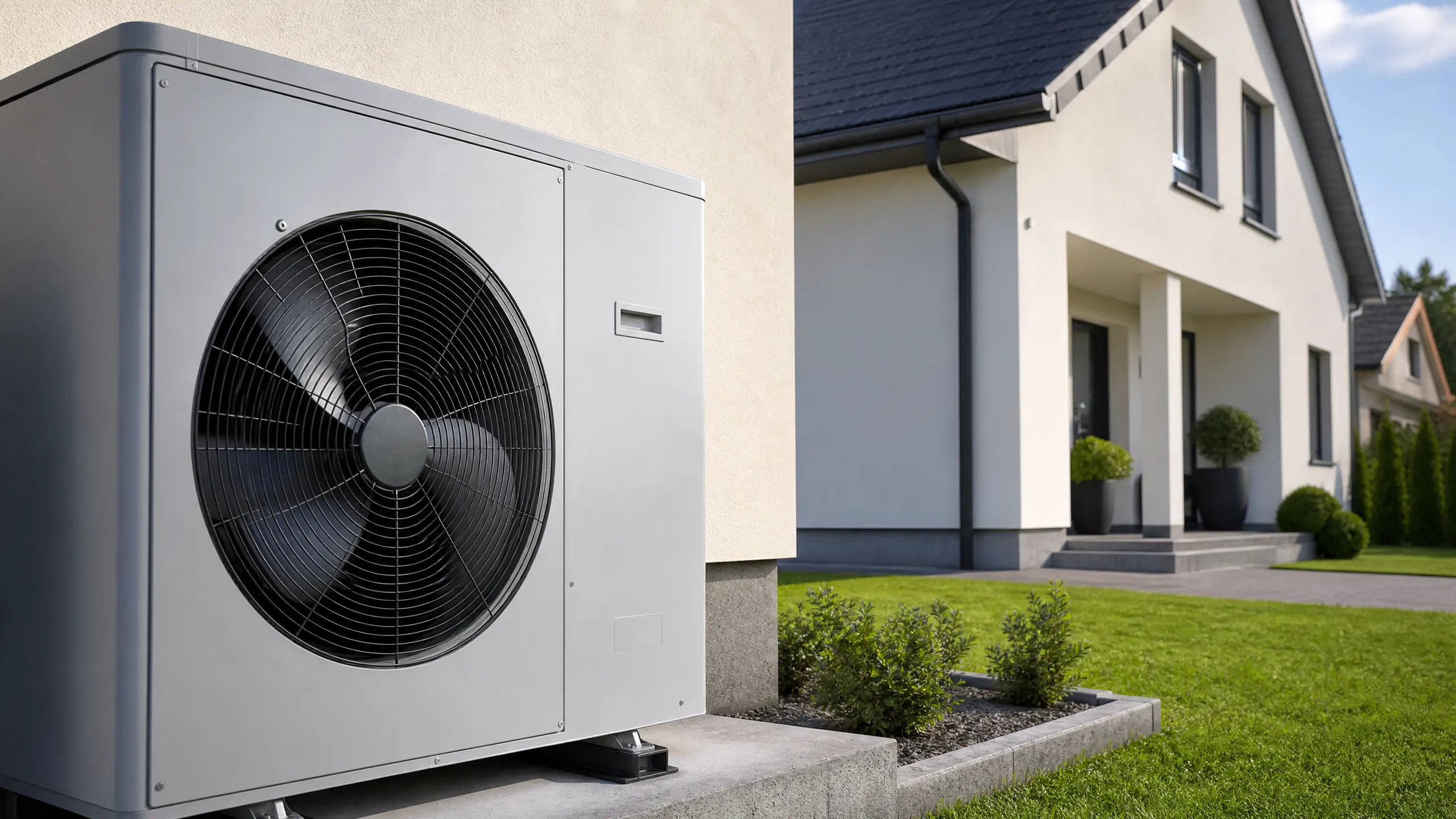
Bexar County runs your heat pump almost all year
Seven months of cooling, April through October, with afternoons averaging 95°F. Five months of heat, November through March, with winter nights averaging 43°F. That leaves the unit idle only a handful of weeks a year, so whatever you install now is going to be running on most days it sees.
Most homes here heat with electricity, which means the heat pump is the whole system, not backup to a furnace. Any new heat pump has to meet the federal minimum of 14.3 SEER2 and 7.5 HSPF2, and with this much run time, it earns its keep in both directions, cooling through the summer and carrying the heat load all winter on its own.
- 5 months
- November through March, your system heats
- 7 months
- April through October, it cools
- 43°F
- the average winter night it heats against
- 95°F
- the average summer afternoon it cools against
NOAA nClimDiv, 1991–2020 normals
Texas requires HVAC contractors to hold a state license.
The license comes from the Texas Department of Licensing and Regulation, and it covers the contractor, not each job they do. TDLR tested that person before handing it out, and the license number stays on record with the state. It is not tied to your address, and it does not get renewed per project, it stays with the contractor from one job to the next.
For a heat pump installation, the license tells you the contractor was tested and is on record with the state, but that is separate from what happens at your house. Most cities and counties require a permit from the local building office for a heat pump replacement, along with an inspection once the work is done. That inspection is what checks the installation itself, not the license.
Source: Texas Department of Licensing and Regulation
- Is a heat pump better than a furnace?
- It depends on what you want the system to do. A heat pump handles both heating and cooling from one unit, so it replaces a furnace and an air conditioner. Homes here need cooling seven months a year and heat only five, so having one system that does both well counts for more than it would somewhere with a long winter. A furnace only heats, and whether a heat pump beats it on running cost depends on what the furnace burns, so a contractor can walk through that for your house.
- What's the difference between a heat pump and an air conditioner?
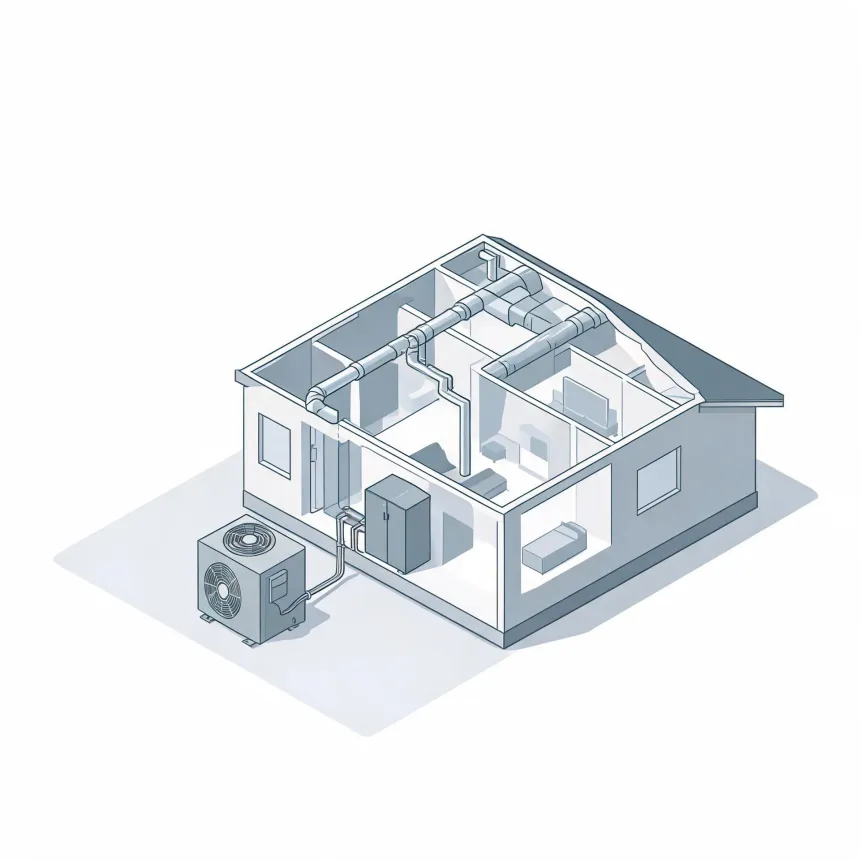
- An air conditioner only moves heat out of your house. A heat pump does that too, but it can also run in reverse and move heat into your house, which is what heats your home in winter instead of a furnace. Mechanically they are close cousins, with the same compressor and the same refrigerant loop. The difference is a heat pump has a reversing valve that lets it switch directions, so one system covers both jobs instead of needing a separate furnace.
- Does a heat pump work in cold weather?
- Yes. A heat pump pulls heat from outside air even when it's cold, because there is still heat in 43°F air, just less of it than in warmer air. Winter nights here average 43°F from December through February, and that is well within the range a heat pump handles on its own. Efficiency drops as the temperature drops, which is why most systems add backup electric heat for the coldest snaps.